

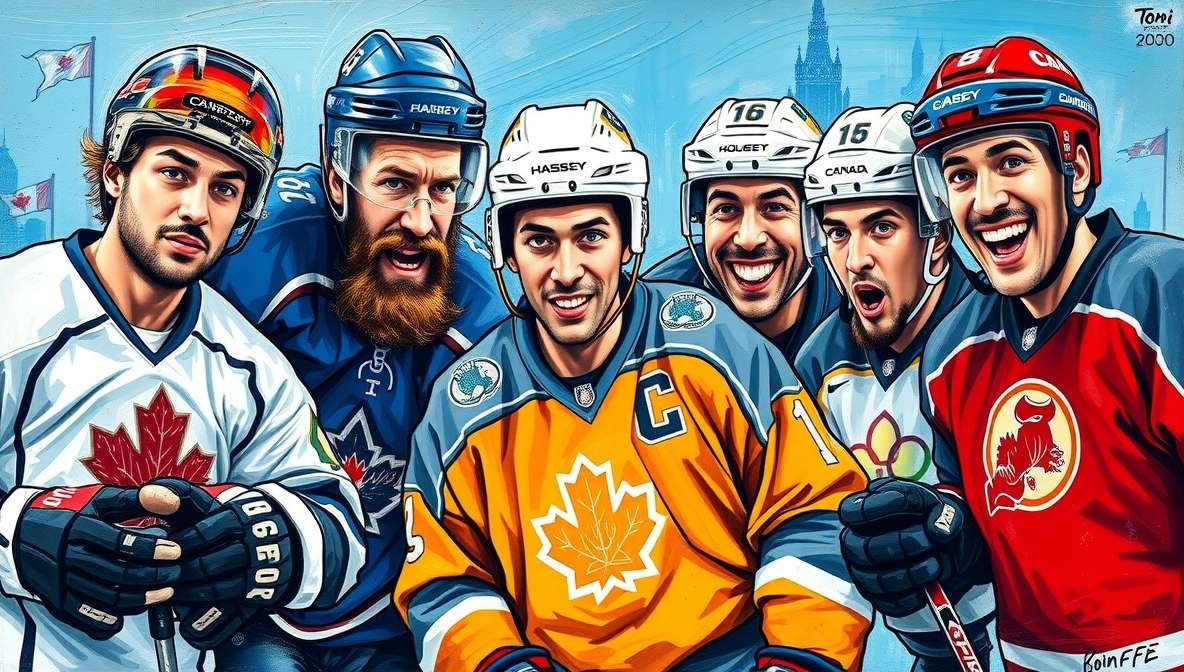
Hockey Humility in an Age of Hype
Team USA Discovers Ice Is Slippery, Nation Reacts Accordingly
The United States men’s hockey program entered the World Juniors and Olympic buildup with confidence, swagger, and the assumption that being American would eventually fix everything. Sweden, Finland, and reality disagreed.
After a highly televised loss to Sweden, followed by an elimination-round struggle that made patriotic viewers stare silently into their nachos, Team USA reminded the world that international hockey is still a cruel place where fundamentals matter and yelling “SHOOT” does not count as a strategy.
USA Hockey officials responded quickly, emphasizing development, resilience, and a long-term vision that definitely exists and is absolutely written down somewhere. Analysts on television nodded gravely while replaying the same defensive breakdown from seven different angles, as if hoping the puck would apologize.
The losses triggered the traditional American sports cycle: disbelief, blame, roster speculation, and the sudden conviction that the Olympics are both essential and cursed. Articles appeared debating whether Adam Fox should be cloned, whether leadership is a “vibe issue,” and whether international ice is somehow anti-American.
Team officials released Olympic roster teasers featuring star NHL players, prompting immediate arguments online about chemistry, grit, and whether anyone still remembers how to play defense without a tablet. Fans demanded toughness, forgetting that hockey already involves skating knives and fistfights.
Meanwhile, Sweden celebrated calmly, as if winning were normal. This behavior was widely considered suspicious.
Across sports media, experts called the World Juniors “a wake-up call,” a phrase used exclusively when everyone was asleep during the warning signs. One former player noted that international hockey rewards discipline and structure, which deeply offended several American commentators who prefer chaos and inspirational backstories.
USA Hockey reassured fans that development pipelines remain strong. Statistics were cited. Acronyms were deployed. Someone mentioned “process.” This soothed no one.
As the Olympics approach, optimism has returned, largely because optimism always returns. Americans believe the roster will gel, systems will tighten, and adversity will build character, preferably before the quarterfinals.