

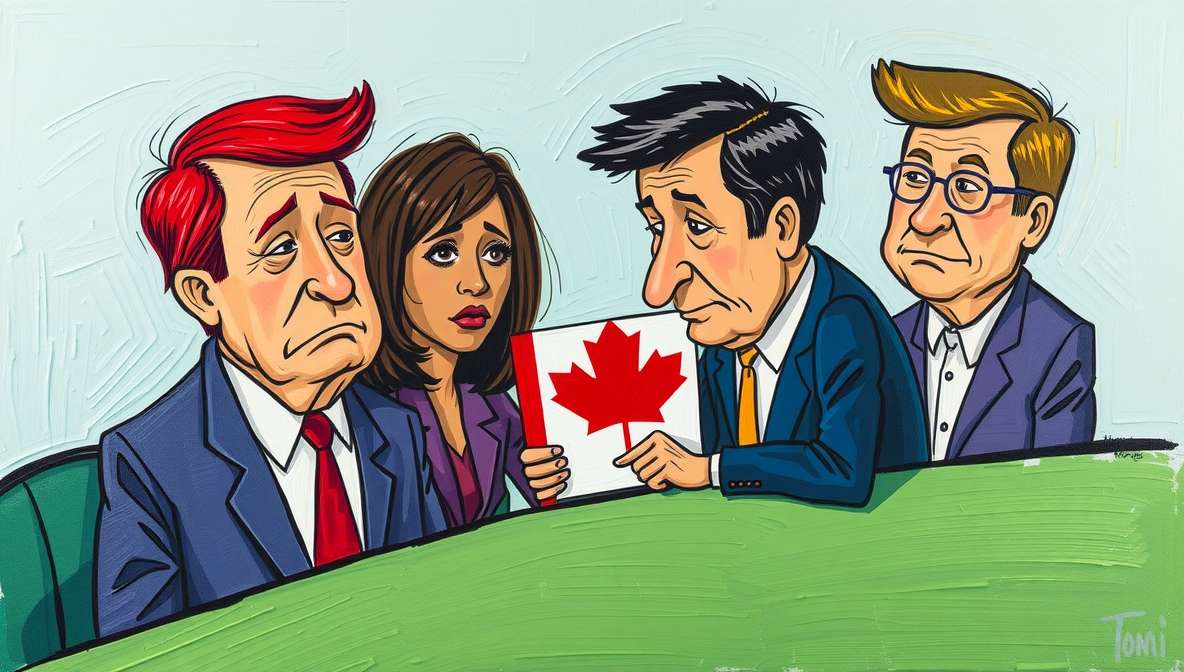
Yanked “60 Minutes” Episode Airs in Canada
Americans Learn About It Through Apologies and Awkward Silence
A previously pulled episode of “60 Minutes” aired quietly in Canada this week, causing widespread confusion among Americans who were unaware the show still aired new episodes, let alone controversial ones.
The segment, reported by correspondent Sharyn Alfonsi, had been withheld from U.S. broadcast amid what executives described as “internal discussion,” “editorial review,” and “that weird feeling you get when phones start ringing.”
CBS Editorial Decisions and Content Suppression Debate

CBS confirmed the episode aired north of the border “as scheduled,” prompting Canadians to once again accidentally witness American political drama before Americans themselves were allowed to process it.
“We didn’t even know it was controversial,” said one Canadian viewer. “We just thought it was… news.”
Media criticism from Poynter Institute examines how newsrooms make editorial decisions about controversial content, often weighing journalistic mission against corporate and political pressures.
Corporate Pressures and Editorial Independence
Inside CBS News, the episode’s removal reportedly caused intense debate over whether it was pulled for political reasons or because executives briefly remembered they work in corporate America.
Sources say meetings included phrases like “optics,” “timing,” “shareholder comfort,” and “let’s circle back after the election and several therapy sessions.”
Media Matters research documents patterns of editorial suppression at major networks, revealing how corporate ownership structures influence news judgment and story selection.
The episode itself reportedly featured journalism, which insiders acknowledged was “technically the show’s mission” but admitted it can be “provocative” in politically sensitive environments.
International Broadcasting and News Access Disparities
Media analysts noted the irony of a program named “60 Minutes” being delayed indefinitely. “It’s more of a vibe now,” said one journalism professor analyzing news suppression patterns. “Time is flexible. Truth is optional. Canada gets the beta version.”
The phenomenon of American news stories airing internationally before domestic audiences reflects broader patterns in media censorship and editorial gatekeeping. Canadian broadcasters, operating under different regulatory frameworks, faced no obstacles to airing the controversial segment.
Audience Response and Corporate Communications
American viewers expressed mixed reactions upon learning the episode existed. Some demanded to see it immediately. Others insisted they didn’t care but were furious anyway. Several asked why Canada keeps getting America’s deleted scenes.
CBS executives denied censorship, emphasizing that no one told them to pull the segment directly. “It was more of a shared understanding,” one executive said. “Like when everyone stops talking at once.”
Meanwhile, Canadians moved on, having already watched the episode, discussed it politely, and gone back to universal healthcare.