

Meanwhile, Nature Declares Right to Ignore Humans
Nature Hits Block Button on Humanity: Find Out Who’s Getting the Silent Treatment!
Ecuador’s Environmental Epiphany: Nature Takes a Stand
Quito, Ecuador — In a world where human rights are loudly debated and fiercely protected, Ecuador has turned the tables by extending these privileges to nature itself. With the ink barely dry on legislation that legally personifies rivers, mountains, and forests, the natural world seems to be taking its new rights seriously, albeit with a quiet rebellion against its two-legged cohabitants.
Nature’s Silent Treatment
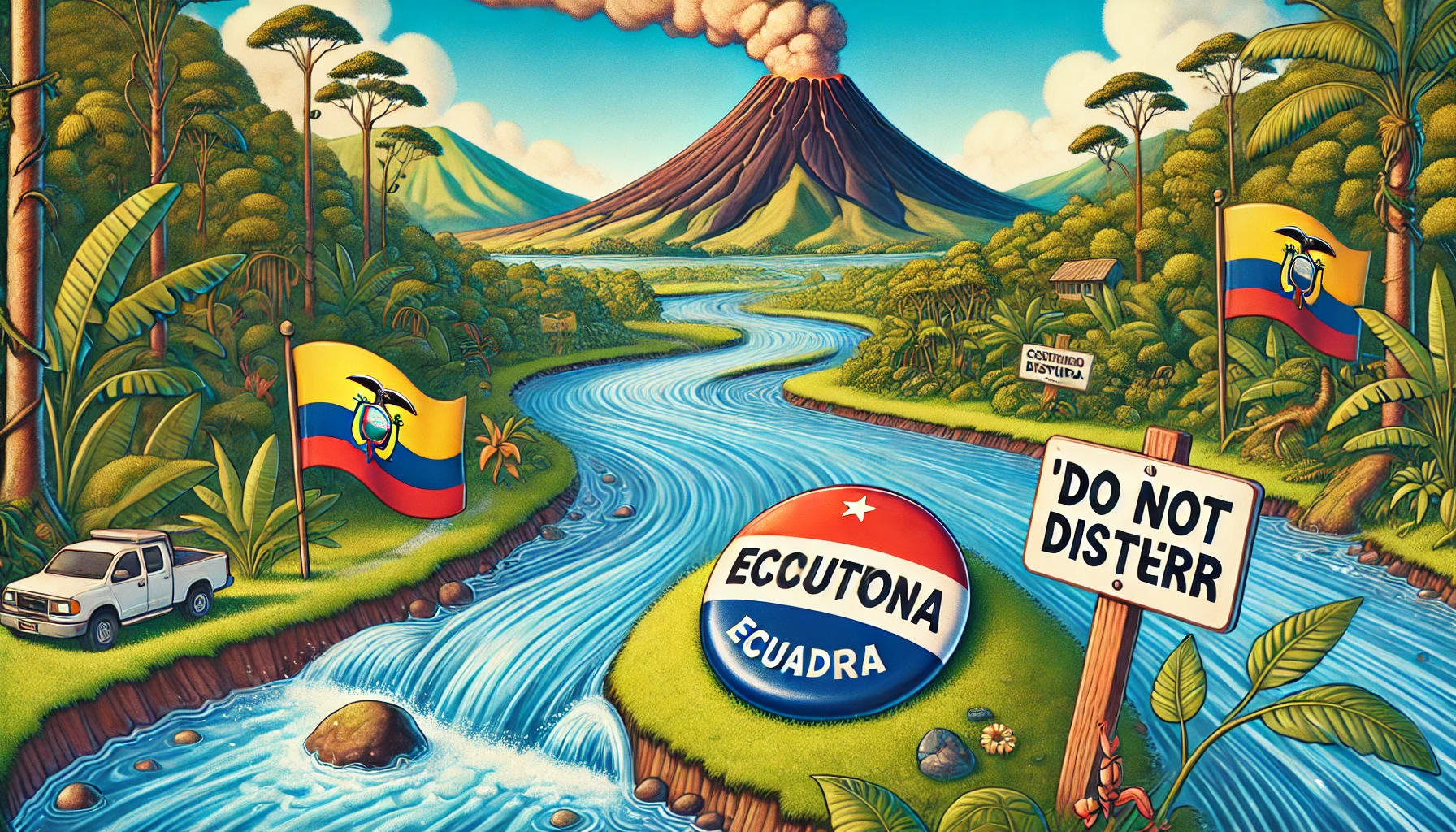
Since the declaration, the forests around Quito have fallen eerily silent. Birds no longer sing their melodious tunes, and the trees sway silently in the wind—a marked departure from their usual rustling. This lack of natural soundscape has left local residents feeling as if nature has put up a “Do Not Disturb” sign. Meteorologists and nature enthusiasts, previously attuned to the whispers of the wind for predictions and pleasures, now find themselves guessing at weather patterns and wildlife behaviors.
Autocorrect Fails and Iguanas in Office
In a humorous twist of fate, a clerical error during the drafting of the Rights of Nature document briefly granted iguanas the right to govern. The typo, which declared iguanas could ‘iguana’ humans, caused a momentary buzz in local government offices, with staffers humorously envisioning reptiles in bureaucratic roles. Though quickly corrected, the incident highlighted the surreal nature of this new legal landscape.
Thorns of Independence
Plants have also begun asserting their independence. Roses and bougainvillea are sporting thicker and sharper thorns, discouraging human contact and complicating gardening routines. This botanical armament has led to a surge in protective gardening gear sales and has given rise to a new niche market for negotiation services between gardeners and their flora, emphasizing diplomacy over pruning.
Volcanic Privacy and Political Rivers
Even the nation’s volcanoes have embraced a more private existence, choosing to erupt under the cover of darkness, away from the awe-struck eyes of humans. This shift has baffled scientists and thrilled conspiracy theorists, who speculate about volcanic privacy needs.
Rivers, too, have thrown their hats into the political ring, with the Amazon River leading a campaign for cleaner waters. These campaigns have proved popular among younger demographics, leading to a rise in environmental activism and a new wave of political engagement focused on sustainability and ecological justice.

Wildlife’s Social Media Campaigns
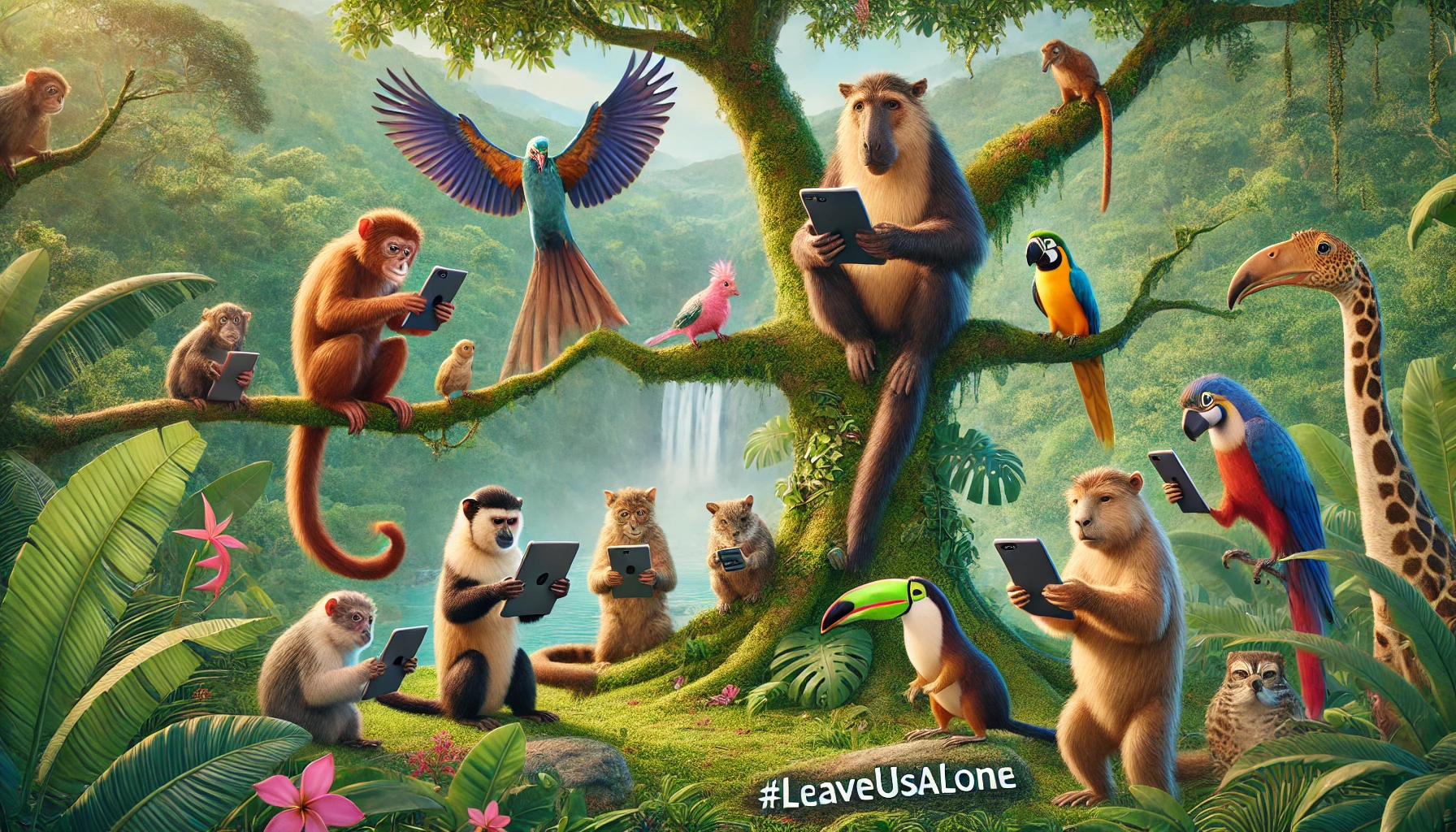
The nation’s wildlife has not been left behind in this shift towards autonomy. A coalition of animals has started the #LeaveUsAlone campaign, gaining traction on social media platforms. This movement has seen animals ‘posting’ pictures of their habitats, overlaid with catchy slogans advocating for their right to exist undisturbed. The campaign’s popularity has even eclipsed some of the country’s most influential human influencers.
Silver-Lined Clouds and Introverted Sunflowers
The clouds above Ecuador are now rumored to contain actual silver linings, a poetic but potent defense against pollution. This transformation has intrigued scientists worldwide, prompting studies into how other natural elements might adapt to protect themselves.
On the ground, sunflowers have begun to turn away from the sun, in a literal cold shoulder to the very star that feeds them. This phenomenon has puzzled botanists and delighted satirists, who draw parallels between the sunflowers’ behavior and classic human introversion.
The Party of the Sands
The deserts of Ecuador, usually silent and desolate, have become the unlikely venues for silent discos, where cacti are the main attendees. These events, confirmed by nighttime surveillance, showcase a lighter, more festive side of nature’s new persona.
Whispers in the Wind
The wind, once a carrier of seeds and scents, now whispers secrets only to those who can hear them. This change in behavior has led to a new hobby among the locals: ultrasonic listening, where enthusiasts attempt to decode the whispers with specialized equipment.
The Anti-Social Butterfly
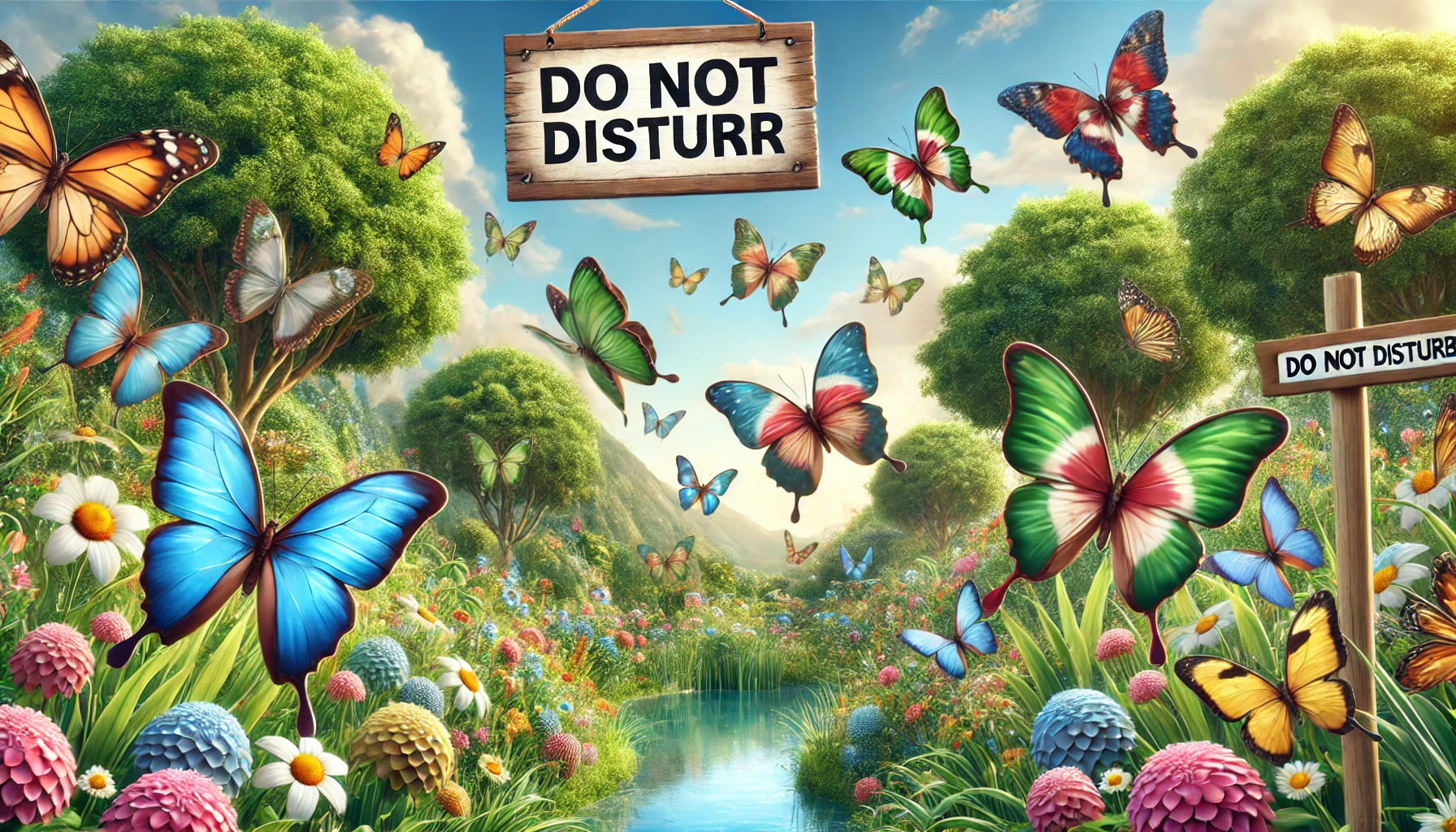
Butterflies, once the ambassadors of gardens, now sport wings with patterns that read “Do Not Disturb.” This development has led to a new appreciation for privacy within the animal kingdom and has inspired a line of clothing featuring similar slogans for humans.
Guidance for Farmers: Adapting to Nature’s New Norms
Farmers are being encouraged to adopt new practices that respect the autonomy and rights of their natural counterparts. Suggestions include:
- Dialogue Over Harvesting: Engaging in conversations, even one-sided, with their crops and livestock, promoting a more harmonious farm environment.
- Educational Shifts: Attending workshops on ecological empathy and legal rights for nature, ensuring that their farming methods do not infringe on the new laws.
- Technological Integration: Utilizing drones and AI to monitor the health of crops and soil without direct interference, minimizing human impact on the land.
Conclusion: A New Chapter in Human-Nature Relations
Ecuador’s bold legal recognition of nature’s rights is not just a local anomaly but a global invitation to rethink our relationship with the world around us. As we watch rivers campaign and volcanoes seek privacy, the message is clear: nature is no longer a backdrop to human activity but a co-inhabitant of Earth, deserving of rights and respect.
Helpful Content for Ecuadorian Citizens
Insider Tips on Coexisting with Rights-Holding Nature
Farmers, while you adjust to these new ecological dynamics, here are some pro tips to maintain harmony on your land:
- Respect the Boundaries: If your plants start growing defensive thorns, consider it a sign to give them space. Negotiate gently.
- Engage in Dialogue: Try talking to your crops. They might not talk back, but they’ll appreciate the sentiment.
- Stay Informed: Keep up with the latest in ecological legal changes. Your next farmhand might be a fern.
Disclaimer
This story is a satirical creation blending truth and humor. Any resemblance to actual events is purely coincidental, and all interactions with nature should be conducted with respect and caution. Remember, while nature might not be watching, it is definitely listening.
Educational Observations
1. Nature’s Silent Treatment
Observation: When Ecuador declared rights for nature, nature responded by hitting the ‘mute’ button, choosing to ghost humanity rather than engage in small talk about weather patterns and deforestation.
2. Autocorrect Fail: Nature Edition
Observation: In a bizarre twist, while attempting to draft its new rights, nature accidentally declared ‘right to iguana humans’ instead of ‘ignore humans’—reptilian diplomacy at its finest.
3. The Passive-Aggressive Plant
Observation: Some plants in Ecuador have started growing thorns outwardly, a clear sign they’re embracing their new rights by becoming literally ‘un-touchable.’
4. Trees Filing for Emancipation
Observation: Trees are now lobbying for ’emancipation from deforestation.’ Their legal argument? “Can’t touch this!”
5. The Introverted Volcano
Observation: Even the volcanoes are getting shy; they’re now erupting only in private, avoiding any dramatic displays that might attract human attention.
6. Rivers Running for Office
Observation: Rivers in Ecuador are no longer just bodies of water; they’re now ‘flowing’ into politics, campaigning for cleaner campaigns—literally.
7. Wildlife Strikes Back
Observation: Local wildlife started their own social media campaign, #LeaveUsAlone, gaining more followers than all human political parties combined.
8. Clouds with a Silver Lining…Literally
Observation: The clouds are taking silver linings too seriously, incorporating actual silver to avoid any interaction with air pollution below.
9. The Snubbing Sunflowers
Observation: Sunflowers have turned their backs—literally. They now face away from the sun, in a sun-snubbing move that’s stunned gardeners.
10. The Mountains Move Away
Observation: Mountains are gradually inching away from civilization. If GPS is to be believed, they’re on a slow stroll to a less populated continent.
11. Glacier Ghosting
Observation: Glaciers, feeling the heat of global warming, decide to ‘ghost’ humanity by melting away quietly, leaving breakup puddles behind.
12. The Amazon’s Silent Protest
Observation: The Amazon Rainforest started its own silent protest against logging by disguising tree trunks as endangered animals.
13. The Dancing Desert
Observation: Deserts aren’t just dry; they’re now hosting silent discos for cacti—strictly no humans allowed.
14. Wind’s Whimsical Whispers
Observation: The wind has started whispering secrets, but only in frequencies that humans can’t hear—talk about selective hearing!
15. The Anti-Social Butterfly
Observation: Butterflies have developed a new pattern on their wings: “Do Not Disturb” signs, making them the pioneers of insect introversion.