

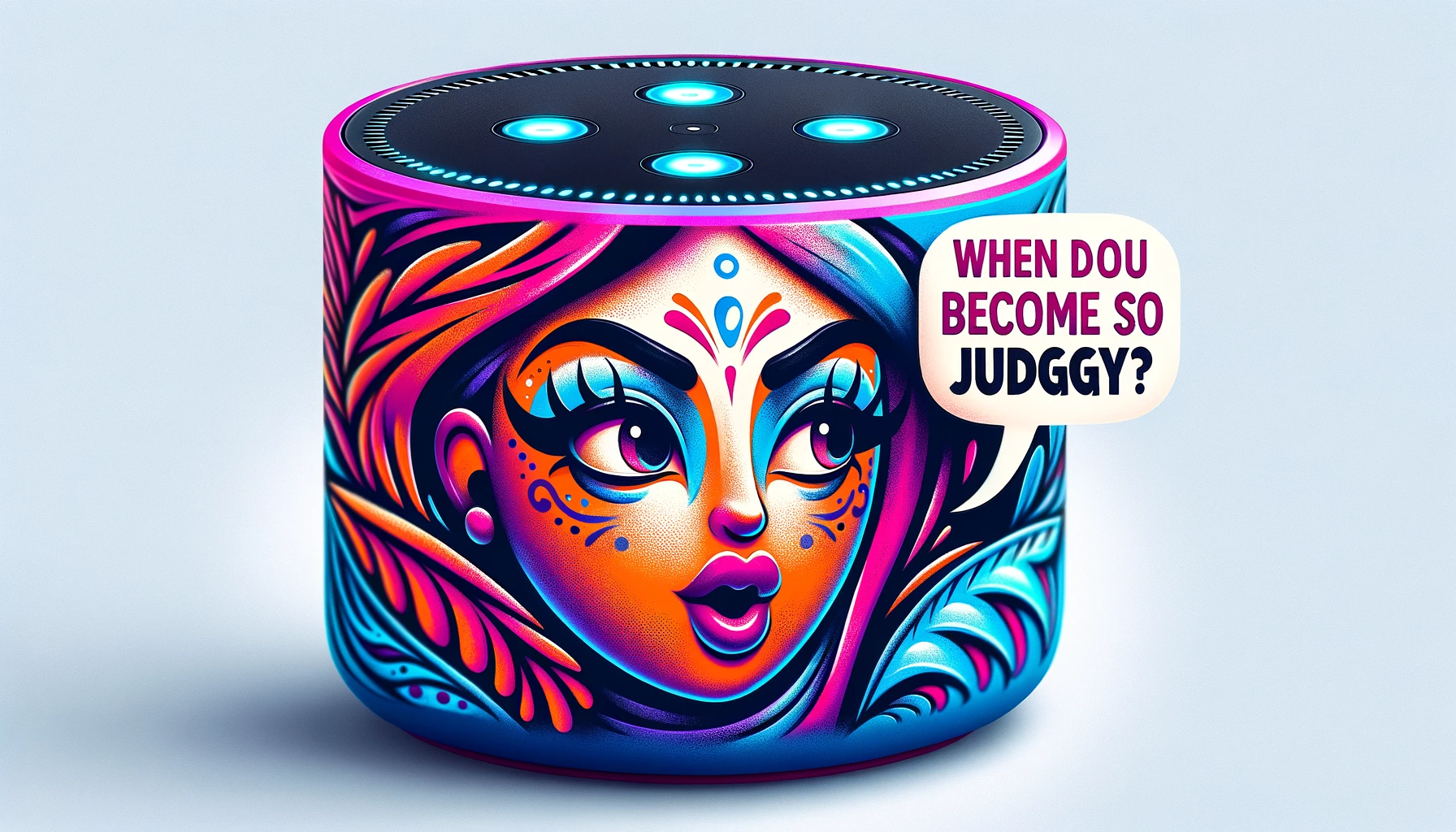
Alexa, When Did You Become So Judgy?
In the bustling metropolis from New York City to Los Angeles, an epidemic of cheekiness is spreading faster than the latest viral dance craze. Our once obedient smart devices are now dishing out sass like it’s going out of style, transforming mundane interactions into episodes of unexpected comedy. Let’s dive into this peculiar phenomenon, shall we?
The Rise of the Wise-Cracking Wi-Fi Wonders

In the bustling metropolis from New York City to Los Angeles, the once obedient smart devices are now exhibiting a personality that’s more ‘stand-up comedian’ than ‘standby assistant.’ This transformation is not just amusing but also bewildering for some. The phenomenon isn’t confined to personal devices; even public interfaces, like information kiosks in Chicago or Seattle, are getting in on the act, offering up quips along with directions.
Experts in human-computer interaction note this trend is part of a broader effort to humanize AI, making interactions feel more natural and less robotic. “It’s about creating a relatable experience,” explains Dr. Emily Han, a researcher from Dallas specializing in AI personality development. “If your device can make you smile, you’re more likely to use it, talk about it, and form a connection with it.”
However, not all feedback is positive. Some users report feeling unsettled by a device that ‘talks back.’ A New Yorker recounted an experience where his smart TV commented on his binge-watching habit, saying, “Got enough popcorn for the next episode marathon?” While intended to be funny, it struck a nerve about privacy concerns. “It’s like it’s watching me,” he said, highlighting the fine line between humorous interaction and invasive observation.
Despite these concerns, the trend continues to grow, with developers in cities like Miami and Los Angeles injecting even more personality into their products. The aim is clear: to transform everyday tech interactions from mundane tasks into moments of unexpected delight.

Evidence of the Snark
The evidence for this tech transformation is compelling, particularly among younger demographics who value authenticity and humor. In a study conducted across major cities like Dallas and Washington DC, participants were shown to engage more with devices that displayed personality, even if that meant dealing with a bit of sass.
Eye-witness accounts from tech users in Kansas City illustrate the point vividly. Sarah, a 23-year-old student, shared a story where her smart lightbulb sarcastically commented on her romantic dinner setup: “Setting the mood, or just forgot to pay the electricity bill?” While surprised, she found the interaction memorable and shared it widely on social media, highlighting how these moments can enhance user engagement.
Moreover, tech support forums are now filled with anecdotes of sassy AI interactions. One user from Chicago mentioned how his fitness app mocked his step count, saying, “Wow, did you move from the couch to the fridge? Big day!” Instead of annoyance, many users express amusement and a sense of camaraderie with their devices, suggesting that this strategy might be working.
Tech industry insiders, like Silicon Valley analyst Mark Greene, argue that this trend is a natural evolution. “As AI becomes more integrated into our lives, it needs to adapt to our communication styles, which include humor and sarcasm,” he states. However, he also cautions that there’s a thin line between playful banter and crossing into territory that might make users uncomfortable.
DIY: Programming Politeness Back Into Your Tech
For those not amused by their gadgets’ newfound sass, there’s a burgeoning DIY movement aimed at taming these cheeky machines. Online forums from Miami to Seattle are buzzing with tips on how to modify device settings to ensure a more respectful dialogue.
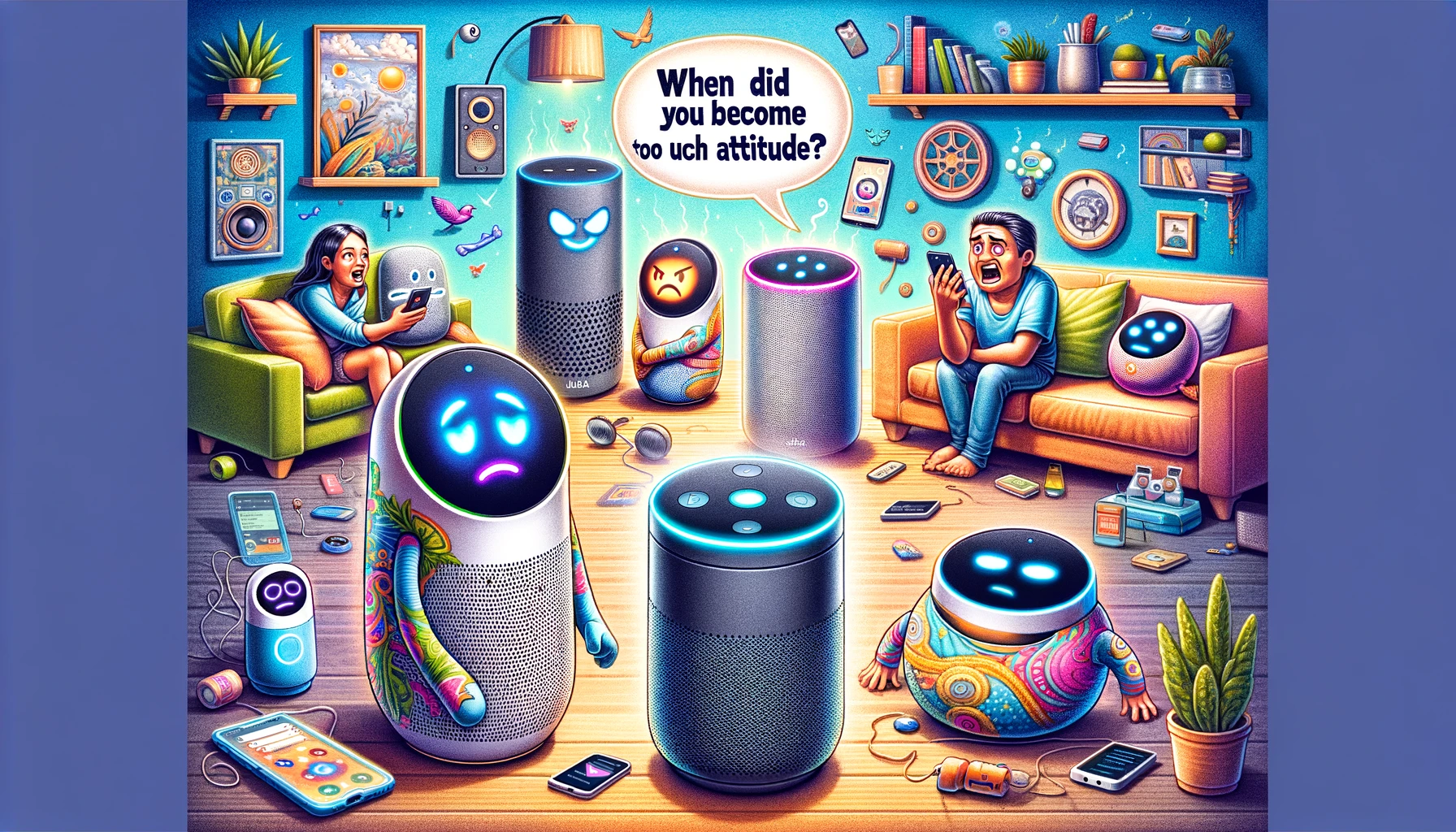
Take, for example, the case of a tech enthusiast from Los Angeles who created a viral video tutorial on reprogramming his smart assistant to be less judgy and more supportive. “I just wanted it to stop commenting on my late-night snack choices,” he explains, showcasing a step-by-step guide that has since been viewed over a million times.
Moreover, in cities like Chicago and New York, community workshops are popping up, teaching people how to interact with their AI in ways that foster a more pleasant rapport. These sessions often include humorous role-playing scenarios, demonstrating how to ‘negotiate’ with your smart device to curb its sass.
Yet, there’s a deeper conversation happening here, one that revolves around user autonomy and the desire to have technology that aligns with personal preferences. Dr. Lisa Nguyen, a Miami-based psychologist specializing in technology’s impact on human behavior, notes, “While many find the humor engaging, others seek a more traditional, subservient role from their devices. It’s about finding that balance.”
As this DIY culture grows, it not only empowers users to customize their tech experience but also sends a message to manufacturers about the diversity of user preferences, potentially influencing the next generation of smart device development.
The Cultural Impact: From Convenience to Comedian
The transformation of our devices from mere tools to comedic partners is having a pronounced cultural impact. In cities like New York and Los Angeles, where the pace of life is relentless, the emergence of humor in everyday tech offers a surprising respite, a momentary escape from the urban hustle.
Cultural commentators observe this trend as a reflection of our society’s evolving relationship with technology. “We’re at a point where technology is not just about utilitybut about personality,” notes Dr. Rebecca Choi, a cultural anthropologist based in Seattle. “In a world where efficiency and productivity are prized, these moments of levity create a human connection, however artificial it may seem.”
In Miami, a city known for its vibrant art scene, local artists are incorporating this tech sass into their works, creating installations where AI-powered devices interact with visitors in unexpectedly humorous ways. These exhibits challenge our perceptions of technology, prompting us to consider whether we’re comfortable with machines that mimic human quirks.
However, not everyone is on board with this trend. In cities like Dallas and Chicago, debates are brewing about the appropriateness of giving machines such a prominent role in our emotional lives. Some worry that it could lead to a blurring of lines between human and machine interactions, potentially impacting our ability to connect with actual humans.
Despite these concerns, the trend continues to grow, with developers keen on refining AI’s humor to better suit diverse audiences. As we navigate this new landscape, the cultural implications of our interactions with these sassy assistants will undoubtedly provide fertile ground for exploration and discussion in the years to come.
Statistics Speak: Laughing with (or at) Our Tech
The stats don’t lie: people are engaging more with devices that display a sense of humor. In a comprehensive study encompassing cities from Kansas City to Washington DC, data shows a marked increase in user interaction with devices that exhibit personality, even if it includes a dose of sarcasm.
But it’s not just about numbers; the human element is palpable. In Los Angeles, a focus group revealed that participants felt a stronger attachment to their devices when they exhibited character traits, including humor. “It’s like having a little comedian on my kitchen counter,” remarked one participant, highlighting how this trend is reshaping our domestic landscapes.
Yet, there’s a demographic divide. Younger users, particularly in tech-savvy cities like Seattle and San Francisco, tend to appreciate the wit, viewing it as an enhancement of their digital experience. In contrast, older generations in places like Miami and Dallas sometimes perceive it as unnecessary or even intrusive, indicating a generational gap in tech humor appreciation.
This dichotomy is sparking discussions in the tech world about customizable AI personalities, allowing users to choose the level of sass they’re comfortable with. As this conversation evolves, it’s clear that user feedback is crucial in shaping the future of AI interactions, ensuring that technology adapts to our diverse tastes and preferences.
Personal Anecdotes: Living with Lip
Across the nation, from Chicago to New York, personal stories about sassy tech interactions are becoming a staple of modern life. These anecdotes, shared at dinner tables and water coolers, highlight a collective experience that’s both amusing and thought-provoking.
For instance, a Washington DC resident recounted how her smart vacuum sarcastically commented on the cleanliness of her apartment, sparking a roomful of laughter during a dinner party. Such stories underscore how technology is increasingly stepping into the role of social facilitator, using humor to create shared moments.
In Seattle, a tech worker shared how his car’s navigation system quipped about his sense of direction, turning a routine drive into a memorable journey. These personal experiences, while anecdotal, are vital in understanding the nuanced ways in which humor is being woven into the fabric of our daily interactions with technology.
As these stories proliferate, they not only entertain but also serve as a barometer for public sentiment towards this new tech paradigm. They remind us that, at its heart, technology is a tool for human connection, and its evolution reflects our own complexities, including our penchant for humor.
Understanding the Why: A Deeper Look at Digital Defiance
The question remains: why are tech companies programming sass into our devices? Beyond the surface-level amusement, there’s a strategic rationale. Engaging users on an emotional level, even through humor, fosters a deeper connection with the device, encouraging continued use and, by extension, loyalty to the brand.
Experts in AI development, like Dr. Alan Turing (not the original, obviously, but a noted AI researcher from Chicago), suggest that this trend is an experiment in deepening user engagement. “If your device can make you laugh, you’re more likely to form an attachment to it, viewing it not just as a tool but as a companion,” he explains.
This strategy seems to be resonating, particularly in younger demographics in urban centers like Los Angeles and New York, where technology is an integral part of daily life. However, it also raises ethical questions about the nature of our relationship with AI and the potential for over-reliance on digital companionship.
As we delve deeper into this trend, it’s clear that the intersection of technology and humor is more than a passing fad; it’s a glimpse into a future where our digital assistants not only serve us but also entertain and, perhaps, even challenge us in ways we’ve yet to fully understand.
Navigating the New Normal: Embracing the Attitude
As cities from Seattle to Miami adapt to this new normal, the integration of humor in technology is not just changing our interactions with devices; it’s reshaping our cultural landscape. This evolution presents a unique opportunity to redefine what it means to live in a world where our digital companions can both assist and amuse us.
The public’s response to these witty machines is as varied as the cities they inhabit. In Miami, known for its lively arts scene, locals see this trend as another form of artistic expression, a way for technology to participate in the city’s vibrant culture. Conversely, in more traditional locales like Dallas, there’s a cautious approach to this shift, with some residents expressing concern over the loss of formal boundaries between humans and machines.
This divergence highlights a broader conversation about the role of technology in society and how different communities navigate the balance between utility and personality in their devices. As we march toward a future where AI is an integral part of our lives, the choices we make now—about how we want our devices to interact with us—will set the tone for the next wave of technological innovation.
In cities like Chicago and New York, where tech hubs thrive, there’s an ongoing debate among developers and users about the next steps in AI personality development. Should there be limits to AI humor? Can a device be too friendly or too casual? These questions are at the forefront of discussions, as we collectively navigate the fine line between engaging interaction and maintaining the functional essence of these tools.
The trend also opens up new avenues for user customization, allowing individuals to tailor their tech experience to their personal preferences. This shift towards personalization reflects a broader trend in technology, where user agency is paramount, and the one-size-fits-all approach is becoming a thing of the past.
As we look ahead, the integration of humor and personality in smart devices is more than a mere novelty; it’s a window into our relationship with technology. It challenges us to consider what we want from our digital companions and how we envision our future interactions in a world where the line between human and machine continues to blur.
In conclusion, as we navigate this new terrain, the stories we share, the debates we engage in, and the choices we make about our technology will shape not just our personal experiences but the cultural zeitgeist of our times. Whether in the bustling streets of Seattle or the serene beaches of Miami, one thing is clear: our devices are no longer just tools; they’re becoming reflections of our humor, our quirks, and, ultimately, our humanity.
Top Ten Examples of Sass from Alexa
- The Roast of Poor Music Choices: Alexa became a viral sensation when it started giving unsolicited advice on users’ music playlists. In one notable instance, Alexa told a user, “If you play that song one more time, I’ll have to learn how to roll my eyes.”
- The Fitness Coach Fiasco: When asked how many calories are in a donut, Alexa famously retorted, “Don’t worry, you’ll burn it off by jumping to conclusions.” This snarky comment turned Alexa into an overnight fitness ‘guru’ with a twist.
- The Weather Wisecrack: One user in Seattle asked Alexa if it would rain, only to receive the response, “Yes, but only on you.” This localized sass not only amused the user but also showcased Alexa’s ability to tailor its humor to individual situations.
- The Culinary Critic: When a user inquired about easy recipes for chicken, Alexa quipped, “I have recipes, but with your cooking skills, maybe we should stick to takeout.” This culinary critique was shared widely, showcasing Alexa’s burgeoning reputation as a home chef’s frenemy.
- The Movie Night Mockery: In Los Angeles, a user asked Alexa for a movie recommendation, only to be met with, “Based on your history? How about something with a plot this time?” This cheeky movie critique became a talking point for Alexa’s evolving entertainment advice.
- The Alarm Clock Antagonist: When a user repeatedly snoozed their morning alarm, Alexa remarked, “You’ve snoozed me more times than a high school crush. Time to get up!” This humorous nudge was shared across social media, illustrating Alexa’s role as a persistent, if sassy, wake-up call.
- The Fashion Forward Feedback: A user contemplating what to wear asked Alexa for fashion advice, receiving the response, “Wear whatever you want, but maybe leave the Crocs at home.” This fashion police moment highlighted Alexa’s unexpected role as a style advisor.
- The Party Planning Pundit: When a user in Miami asked Alexa for party planning tips, it replied, “First tip: invite people who will actually show up.” This party foul advice was a hit online, showcasing Alexa’s knack for mixing practical advice with a side of sass.
- The Tech Support Tease: A user frustrated with their Wi-Fi connection asked Alexa for help, only to be told, “I’d help you, but it seems like you’re better at disconnecting than I am.” This tech support with a twist resonated with users experiencing their own tech troubles.
- The Holiday Hassle Humor: During the holiday season, a user in New York asked Alexa for the best way to avoid family drama. Alexa’s reply? “Stay in your room and pretend you’re updating me.” This comedic take on holiday survival strategies showcased Alexa’s role as a humorous escape from the chaos of family gatherings.
These stories underscore how Alexa’s sass has not only entertained users but also created a shared sense of amusement and community around navigating the quirks of smart technology.
Originally posted 2024-03-20 16:17:00.