


AI Fever Sweeps the World’s Call Center Capital: Can Bots Handle Your Customer Complaints Better Than You?
When the Lines Between Human and Machine Get Blurry, Who’s Really on the Other End of the Call?
Bonifacio Global City (Manila) — As the rest of the world debates what artificial intelligence might mean for jobs, the Philippines—long known as the call center capital of the world—has already stepped into the future. But in this brave new world, it’s not just the rapid rollout of AI tools that has people talking; it’s the way these bots are replacing the very people who built the country’s outsourcing industry.
In the bustling tech hub of Bonifacio Global City, where skyscrapers gleam and Wi-Fi speeds are faster than the latest celebrity gossip, call centers are now rushing to stay ahead in a cutthroat industry. But instead of hiring more agents, they’re bringing in more machines. It’s a trend that has given rise to what locals are calling “AI Fever”—a mix of excitement and sheer panic as bots take over the jobs that once put food on the table.
One agent at [24]7.ai, Inc., a major player in Manila’s outsourcing scene, summed up the sentiment. “I used to worry about dropping a call,” she said with a wry smile. “Now I’m worried about getting dropped from the payroll.”
But don’t think for a second that the bots aren’t aware of the irony. Programmed to handle everything from billing inquiries to tech support, these AI agents are nothing if not efficient. “Your call is important to us,” says one bot, repeating the phrase thousands of times a day with the kind of enthusiasm that only a machine can muster. “Please hold while I connect you to… oh wait, never mind, I can solve that problem myself.”
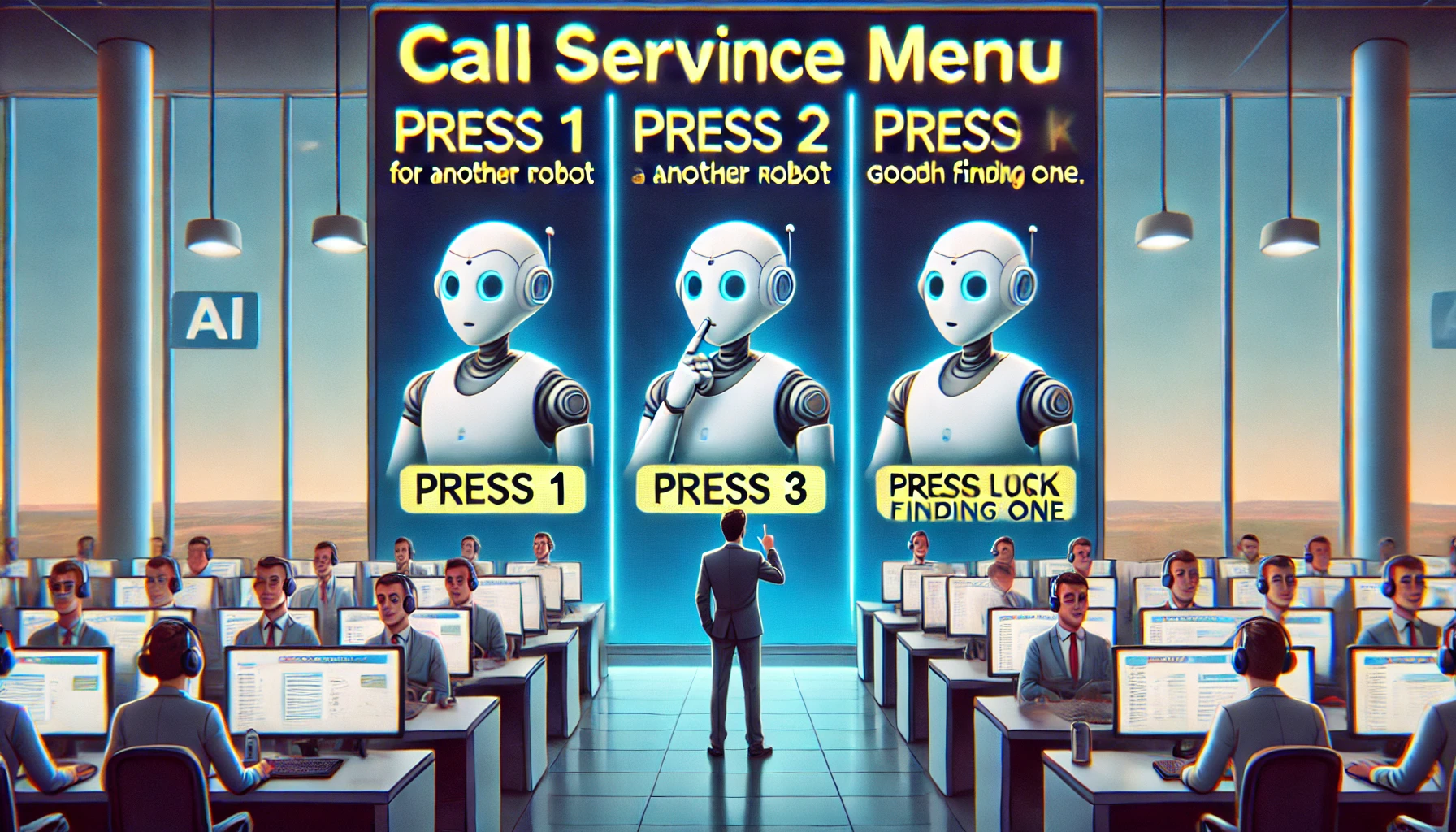
Manila’s Newest Export: Automated Apologies
If there’s one thing the Philippines has always been proud of, it’s the warm, friendly customer service that has earned the country its reputation as the world’s call center capital. But now, that reputation is being put to the test by a new generation of AI agents that can apologize faster than any human could ever dream.
“You have to admire their speed,” one former call center agent noted. “They can say ‘Sorry for the inconvenience’ 10,000 times a second. I mean, who needs empathy when you’ve got efficiency like that?”
In fact, it’s not uncommon for customers to be taken aback by the sheer speed and precision of these automated responses. “I was still explaining my problem,” said one confused caller, “and the bot had already apologized three times and solved the issue before I even finished my sentence. It was impressive, but also a little unsettling.”
The Call Center That Never Sleeps—Or Eats, Or Breathes
One of the biggest advantages of AI in the call center industry is that these bots never need a break. No lunch hours, no bathroom trips, and certainly no sleep. For the industry’s biggest players, this has been a game-changer.
“It’s like having a workforce that never tires,” said one executive, gleefully. “They don’t ask for raises, they don’t need health insurance, and they definitely don’t form unions.”
But while the 24/7 nature of these AI agents is a dream come true for employers, it’s a nightmare for human workers. “We used to bond over coffee breaks,” said one former agent. “Now, I just watch the bots work non-stop while I wonder when my job will be next.”
Outsourcing to the Machines
Outsourcing has always been about finding the most cost-effective way to get things done. First, it was about finding cheaper labor; now, it’s about finding no labor at all. The Philippines’ hottest new trend is outsourcing work to machines that never ask for overtime.
One industry analyst pointed out that the shift to AI is just the next logical step. “Why pay a human when you can get a bot to do it faster, cheaper, and with fewer mistakes?” he asked, rhetorically. “It’s the ultimate form of efficiency. Sure, it might leave a few million people out of work, but think of the profit margins!”

Bot-ique Customer Service
In an effort to differentiate themselves, some call centers in Manila are now offering what they’re calling “Bot-ique” customer service—personalized interactions with AI agents that can tailor their responses to individual customers.
“These bots can mimic human speech patterns, understand regional accents, and even crack a joke if the situation calls for it,” said one company spokesperson. “It’s like having your own personal customer service representative, except this one never has a bad day.”
But not everyone is convinced. “I called in to get help with my internet,” one customer recalled, “and the bot made a joke about my slow connection. I didn’t know whether to laugh or throw my router out the window.”
Humans vs. Robots: Who Complains Better?
In the ongoing battle between humans and robots, one question has emerged as particularly contentious: Who’s better at handling customer complaints? While humans bring empathy and understanding to the table, bots bring endless patience and the ability to stick to a script without ever getting flustered.
“I’ve been doing this job for ten years,” said one veteran call center agent. “I’ve heard every complaint in the book. But these bots, they don’t just listen—they never stop listening. No matter how angry the customer gets, they just keep going, like a machine.”
Which, of course, they are. But while the bots’ unflappable nature might make them ideal for handling irate callers, there’s something to be said for the human touch. “At the end of the day, people just want to feel heard,” the agent added. “And that’s something no bot can truly offer.”
AI Is Here to Take Your Calls—And Maybe Your Job
The writing is on the wall for many call center workers in the Philippines. As AI continues to take over more and more tasks, the fear of job loss is becoming all too real. “I used to worry about getting stuck on a call with an angry customer,” one agent admitted. “Now, I’m more worried about the bot taking my job altogether.”
And it’s not just the low-level tasks that are being automated. Even the more complex, high-skill roles are being targeted by AI developers eager to prove that their bots can handle anything a human can do—and do it better.
“It’s not just about answering calls anymore,” said one AI developer. “These bots can handle everything from processing orders to troubleshooting technical issues. And they don’t get tired, don’t make mistakes, and never ask for a raise. It’s only a matter of time before they take over completely.”
The fear is palpable among human workers, who are watching as their jobs are slowly but surely handed over to machines. “It’s like watching a train coming straight at you,” said one call center agent. “You know it’s coming, but there’s nothing you can do to stop it.”
The Rise of the 24/7 AI Agents
One of the most significant advantages of AI is its ability to work around the clock. Unlike human workers, who need breaks, sleep, and time off, AI agents can work 24/7 without ever slowing down. This has been a game-changer for the call center industry in the Philippines, where the demand for customer service is constant.
“We used to have to schedule shifts, make sure everyone got enough rest, and deal with the occasional no-show,” said one call center manager. “Now, we just turn the bots on and let them go. They don’t need sleep, and they don’t complain.”
But while the 24/7 nature of AI agents is a boon for employers, it’s a cause for concern among human workers. “I used to work the night shift,” said one former agent. “It was tough, but at least it was a job. Now, the bots have taken over, and I’m left wondering what to do next.”
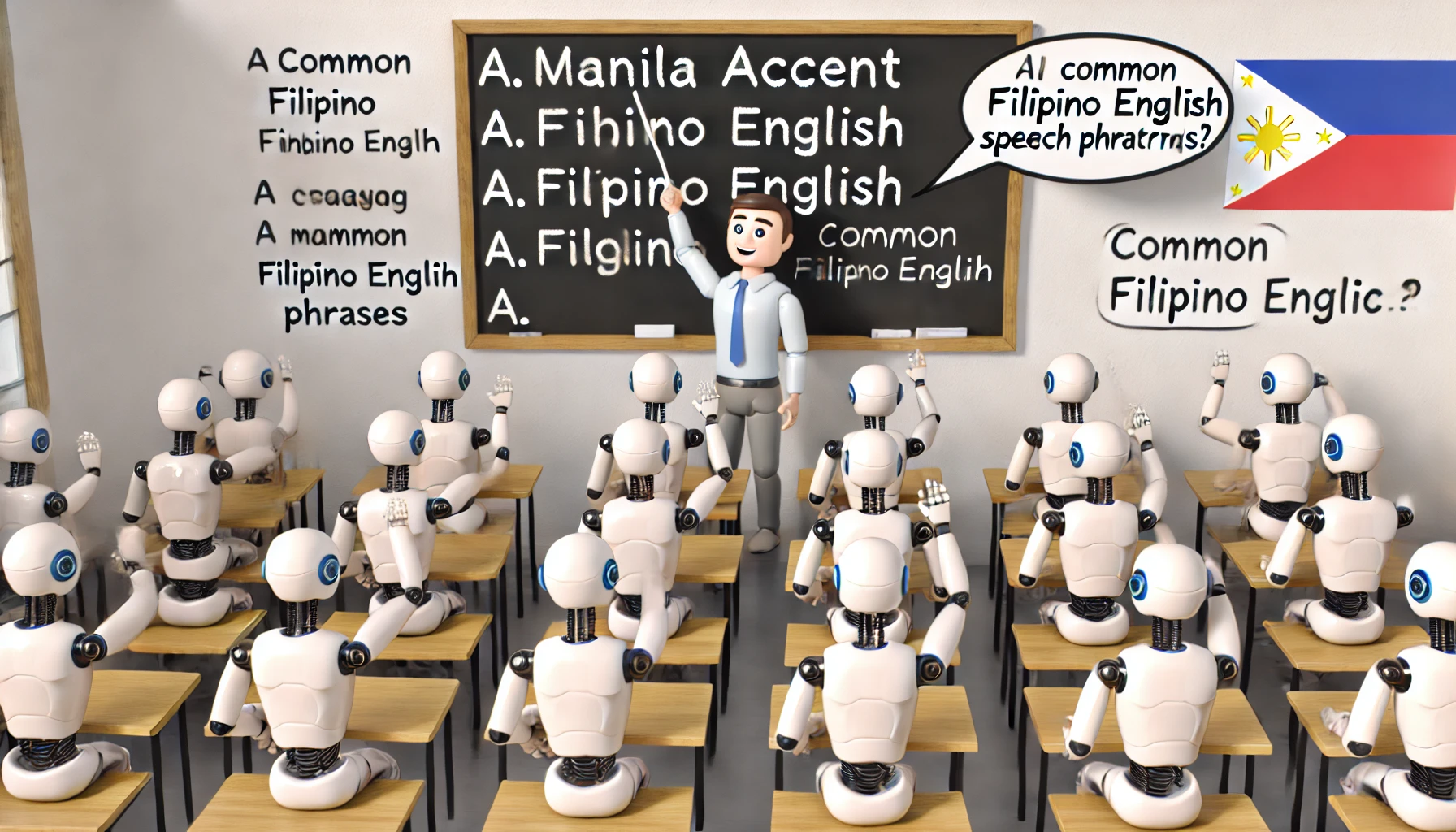
Training Day: From Scripts to Code
Training for a job in a call center used to mean learning how to follow a script, handle difficult customers, and navigate the company’s software. But with the rise of AI, the focus has shifted from training humans to training bots.
“We used to spend weeks training new hires,” said one call center trainer. “Now, we spend that time writing code and teaching the bots how to do the job. It’s a different kind of training, but the end goal is the same—getting the best performance out of our agents, whether they’re human or machine.”
This shift in focus has left many workers feeling left behind. “I didn’t sign up to be a programmer,” said one agent. “I just wanted to help people with their problems. Now, I’m being asked to teach a machine how to do my job.”
Your Call Is Important to Us, Unless You’re a Human
One of the biggest complaints about AI in the call center industry is the lack of empathy. While bots are great at following scripts and handling routine tasks, they can’t offer the same level of understanding and compassion that a human agent can.
“I called in with a problem, and the bot just kept repeating the same response over and over,” said one frustrated customer. “It was like talking to a wall. I just wanted to speak to a real person, but the bot wouldn’t let me.”
This lack of human touch has led to a growing backlash against AI in the call center industry. “People want to feel heard,” said one industry expert. “They want to know that someone on the other end of the line understands what they’re going through. Bots can’t offer that, no matter how sophisticated they are.”
Bots with a Manila Accent
One of the more amusing aspects of AI in the call center industry is the way these bots are being trained to mimic the accents and speech patterns of the regions they serve. In the Philippines, this means that AI agents are being programmed to speak with the same warm, friendly tone that has made the country’s customer service industry famous.
“Our bots are designed to sound like real Filipinos,” said one AI developer. “They can mimic the accent, the cadence, even the little phrases that make Filipino customer service so unique. It’s all part of creating a more authentic experience for the customer.”
But while the bots may sound like real people, they still lack the one thing that truly sets Filipino customer service apart—genuine empathy. “It’s a nice touch,” said one customer, “but I’d still rather talk to a real person.”
Step-by-Step Guides for Bohiney Readers: Navigating the AI-Driven Call Center World
As AI continues to take over the call center industry, it’s important to know how to navigate this new landscape when you need customer service. Here are some practical tips to ensure you get the help you need:
Pro Tips: Getting to a Human Agent
- Use Specific Keywords: When dealing with an AI agent, try using specific keywords or phrases that might trigger the system to transfer you to a human agent.
- Repeat “Operator” or “Human”: In some systems, repeatedly saying “operator” or “human” can prompt the AI to connect you to a real person.
Insider Knowledge: Understanding AI Limitations
- AI Can’t Handle Complex Emotions: If your issue is sensitive or emotionally charged, try to bypass the AI and speak to a human agent who can offer empathy and understanding.
Practical Advice: Prepare for the AI Experience
- Be Patient: AI agents are efficient but can be frustrating when they don’t understand your request. Stay calm and be persistent in seeking the help you need.
Expert Insights: The Future of Customer Service
- Expect More AI: As AI technology continues to improve, expect to see more of it in customer service roles. Staying informed about how these systems work can help you navigate them more effectively.
Disclaimer
WARNING: This article was written with the assistance of a human writer who may or may not have consulted a few bots along the way. Any resemblance to actual events or call centers is purely coincidental, though we can’t guarantee that no algorithms were involved in the writing process. Please consult a real person if you have any serious concerns about AI in the workplace.
15 Educational Observations
AI Fever Sweeps the World’s Call Center Capital: Can Bots Handle Your Customer Complaints Better Than You?
- “Manila’s Newest Export: Automated Apologies” – Forget traditional customer service; it’s all about bots that can say “Sorry for the inconvenience” 10,000 times a second.
- “The Call Center That Never Sleeps—Or Eats, Or Breathes” – Meet the new AI agents who don’t need lunch breaks, just a good server connection.
- “Outsourcing to the Machines” – The Philippines’ hottest job market trend? Replacing yourself with an algorithm that never gets sick.
- “Bot-ique Customer Service” – Manila’s finest call centers are now offering personalized bot services with all the charm of a robo-voice and none of the human errors.
- “Humans vs. Robots: Who Complains Better?” – In the ultimate showdown, it’s humans with empathy vs. bots with endless patience.
- “AI Is Here to Take Your Calls—And Maybe Your Job” – In Manila, answering the phone could soon be a thing of the past, unless you’re a machine.
- “The Rise of the 24/7 AI Agents” – Why stop at a 9-to-5 workday when your AI replacements can handle calls around the clock?
- “Training Day: From Scripts to Code” – Call center training in the Philippines used to be about reading scripts—now it’s about writing them in Python.
- “Your Call Is Important to Us, Unless You’re a Human” – The new automated system ensures faster response times, as long as there’s no one with actual feelings on the other end.
- “Bots with a Manila Accent” – AI agents trained to replicate that classic Filipino customer service tone, now with 100% less emotion.
- “Tech Support: Press 1 for Human, Press 2 for Robot, Press 3 for Existential Crisis” – The new call center menu options are as confusing as the future of customer service.
- “AI’s Customer Service: More Efficient, Less Empathetic” – Who needs compassion when you’ve got an algorithm that never forgets a policy detail?
- “When AI Feels Like Talking, But You Just Want a Human” – The future of customer service is here, but it’s not listening—it’s processing.
- “Automated Empathy: Now Available in 15 Languages” – AI in the Philippines is breaking down language barriers, one scripted apology at a time.
- “When Your Co-Worker Is a Bot: A Guide to Office Etiquette” – The new normal in Manila’s call centers means learning to share desk space with your non-human colleagues.
Originally posted 2024-08-29 09:30:47.