

Iranian Americans Who Fled Islamic Oppression Spend Weekend Explaining That Missing Home Does Not Necessarily Mean Missing Soccer
Iranian Dissidents Amazed To Discover Oppression Apparently Builds Remarkable Team Spirit
LOS ANGELES – Iranian Americans who once fled censorship, religious policing, and political persecution spent the weekend engaged in the sort of spirited public disagreement that many insist was impossible in the country they left behind: arguing over whether cheering for Iran’s national soccer team constitutes patriotism, betrayal, or merely a desperate attempt to enjoy ninety uninterrupted minutes of football.
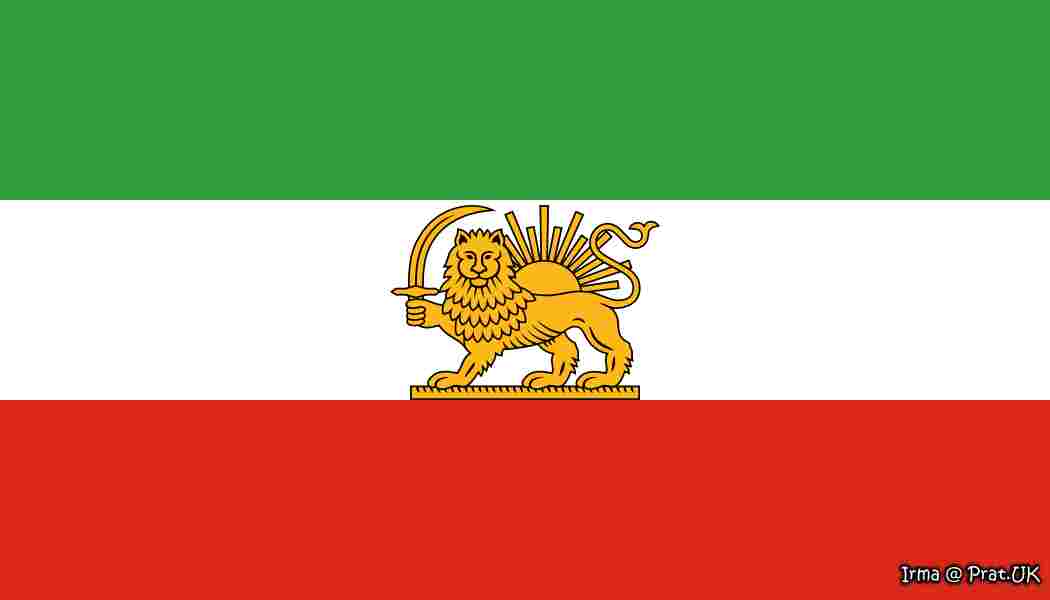
Lion and Sun Flags Meet Team Melli Jerseys at the World Cup
Outside Iran’s World Cup opener, protesters waved the pre-revolutionary Lion and Sun flag while chanting against the regime they say forced countless families into exile. Nearby, fans wearing Team Melli jerseys insisted they were supporting players, not politicians, in what observers described as “the most emotionally complicated tailgate party in North American sporting history.”
Missing Home Without Missing the Morality Police
“I miss my grandmother’s cooking, Persian poetry, and the mountains overlooking Tehran,” explained one Iranian American. “I do not miss the morality police. These are separate categories.”
Political scientists confirmed that exile often creates complicated emotional attachments. “Human beings have an extraordinary ability to distinguish between governments and homelands,” said one professor. “Unfortunately, they are significantly less talented at explaining that distinction on social media.”
Exile, Identity, and the Offside Trap of Twitter
The resulting debates transformed parking lots into graduate seminars on nationalism, identity, and whether FIFA should be entrusted with resolving geopolitical disputes despite its historical inability to consistently explain handball rules.
Several protesters expressed frustration that international audiences sometimes struggle to understand why people who fled oppression might still speak Farsi at home, celebrate Nowruz, and occasionally hope their national team completes an accurate passing sequence.
“It’s almost as though civilizations thousands of years old are more complicated than Twitter hashtags,” noted one observer.
Others remained unconvinced.
“If you support the team, you’re supporting the regime,” argued one activist.
“If you oppose the team, you’re punishing athletes,” replied another.
“If the midfield keeps turning over possession, none of this will matter,” interrupted a third.
FIFA and the Apolitical Spirit of an International Tournament
Meanwhile, FIFA officials maintained their longstanding philosophy that removing banners from stadium entrances could somehow neutralize centuries of political tension.
Security personnel reportedly confiscated various flags and signs while insisting they were merely preserving the apolitical spirit of an international tournament sponsored by multinational corporations, hosted by governments, and attended by politicians eager to appear on camera.
Experts described the scene as peak modern civilization.
“We have refugees who escaped authoritarianism exercising free speech to criticize authoritarianism while debating whether cheering for eleven men kicking a ball accidentally endorses authoritarianism,” said one sociologist. “Frankly, democracy has never looked more exhausting.”
The People Are Not the Government
The emotional complexity extended well beyond soccer.
Many Iranian Americans emphasized that their criticism targeted rulers rather than ordinary citizens.
“The people are not the government,” one protester explained. “That’s literally why many of us left.”
The statement received immediate support, vigorous disagreement, three historical lectures, and at least one unsolicited comparison to the designated hitter rule in baseball.
Psychologists described the phenomenon as entirely normal.
“You can love where you came from while condemning what happened there,” one therapist noted. “Immigrant communities navigate this tension constantly. Also, sports make everyone slightly irrational.”
Grief, Pride, and Freedom in a Parking Lot
As kickoff approached, both protesters and supporters turned toward the stadium.
Some held flags representing the Iran they remembered.
Others wore jerseys representing the Iran they hoped might someday exist.
A few simply wondered why World Cup beer prices appeared to violate several international treaties.
In the end, the crowd demonstrated something rare and profoundly human: people carrying grief, nostalgia, anger, pride, and hope simultaneously while standing in the same parking lot arguing about soccer formations.
It was messy.
It was loud.
It was occasionally contradictory.
And according to experts, it was also freedom.
At press time, FIFA announced plans to solve future geopolitical conflicts by increasing security checkpoints and reminding everyone that politics has absolutely no place in a tournament featuring national anthems, national flags, and approximately seven billion national opinions.
SOURCE: https://www.yahoo.com/news/articles/iranian-americans-protest-iran-government-005908343.html
The 2026 World Cup, jointly hosted by the United States, Canada, and Mexico, has drawn enormous Iranian American crowds in cities like Los Angeles, home to one of the largest Iranian diasporas anywhere outside Iran. The national team’s appearances have become reliable flashpoints for protest ever since the 2022 death of Mahsa Amini in morality police custody and the wave of demonstrations it set off, which means a single group-stage fixture now carries more freight than the average penalty shootout.
And if you fancy the same brand of mischief filtered through a stiff upper lip, pop over to our British cousins at The London Prat.
Auf Wiedersehen, amigo!
Disclaimer: This satirical article comments on public events, identity, and the complicated arithmetic of exile, where the heart insists on carrying two passports even when the paperwork only allows one. It does not generalize about all Iranians, Iranian Americans, or Muslims, and any resemblance to your uncle’s World Cup group chat is purely coincidental. This story is entirely a human collaboration between two sentient beings: the world’s oldest tenured professor and a philosophy major turned dairy farmer.