

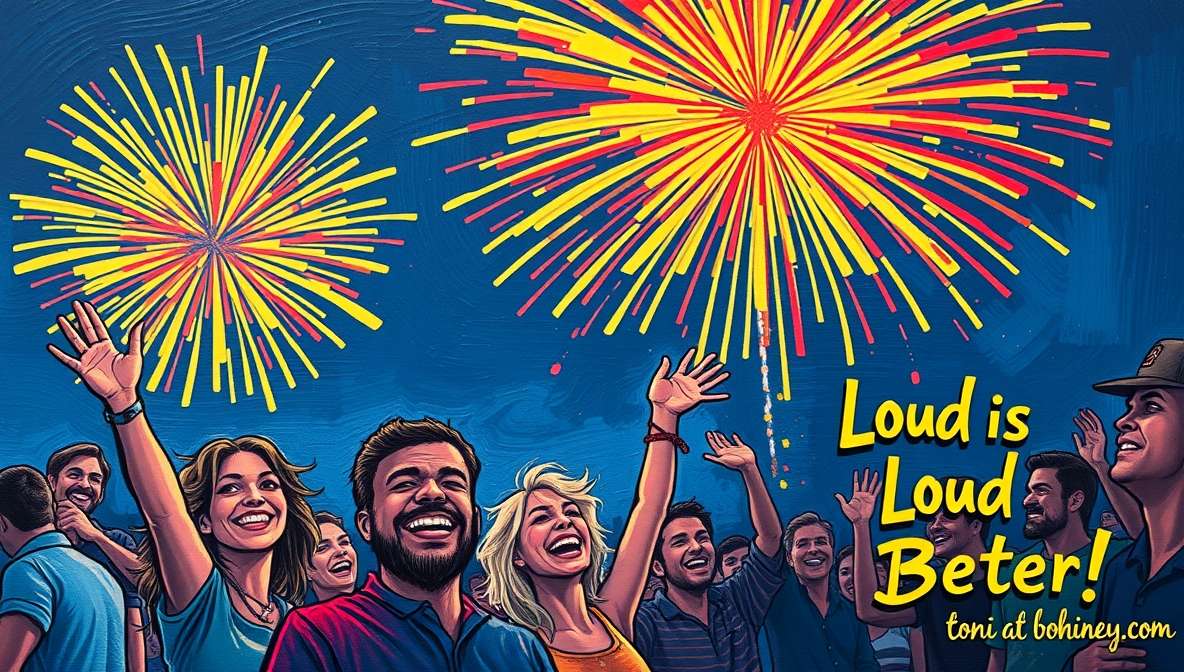
Happy New Year!
Fireworks Across the USA: New Year’s Eve Confirms That Loud Is Better
Across the United States, cities, towns, and occasionally backyards welcomed 2026 with the national tradition of explosive, pyrotechnic celebration. Experts confirm that no other way of marking the calendar has the same combination of awe, chaos, and mild property damage.
Televised coverage instructed Americans on how to watch fireworks, as if “look up” were insufficient guidance. Spectators obeyed cautiously while judging their neighbors’ artistic choices, smoke output, and sense of timing.
In New York, the iconic ball drop was accompanied by fireworks, confetti, and the sort of organized chaos that convinces outsiders the city has a plan somewhere. Similar displays from coast to coast ensured nobody felt excluded, at least visually.

Retailers reported surges in sparklers, LED hats, and noise-makers, all designed to give people the illusion of control while explosions occurred. Economists noted temporary economic stimulation, though emergency rooms argued the point with mild burns and paper cuts.
Animals across the country responded predictably. Dogs hid, cats judged, and one very confused alpaca became the face of viral memes about patriotism and panic.
Social media celebrated every detonation, with hashtags like #NewYearBang, #ExplosiveResolutions, and #IHopeMyApartmentIsStillThere. Commenters argued about safety, nostalgia, and the existential meaning of confetti.
Psychologists observed that Americans enjoy fireworks because they symbolize renewal, collective joy, and a temporary disregard for ear protection. Skeptics pointed out they also symbolize environmental smoke, accidental injuries, and the fleeting nature of hope.
As midnight passed, revelers exchanged resolutions-gym memberships, healthier eating, and global diplomacy promisesbefore immediately forgetting them. Fireworks ended. Smoke lingered. Optimism surged briefly.