

Economists call it the most expensive way yet devised to accomplish nothing
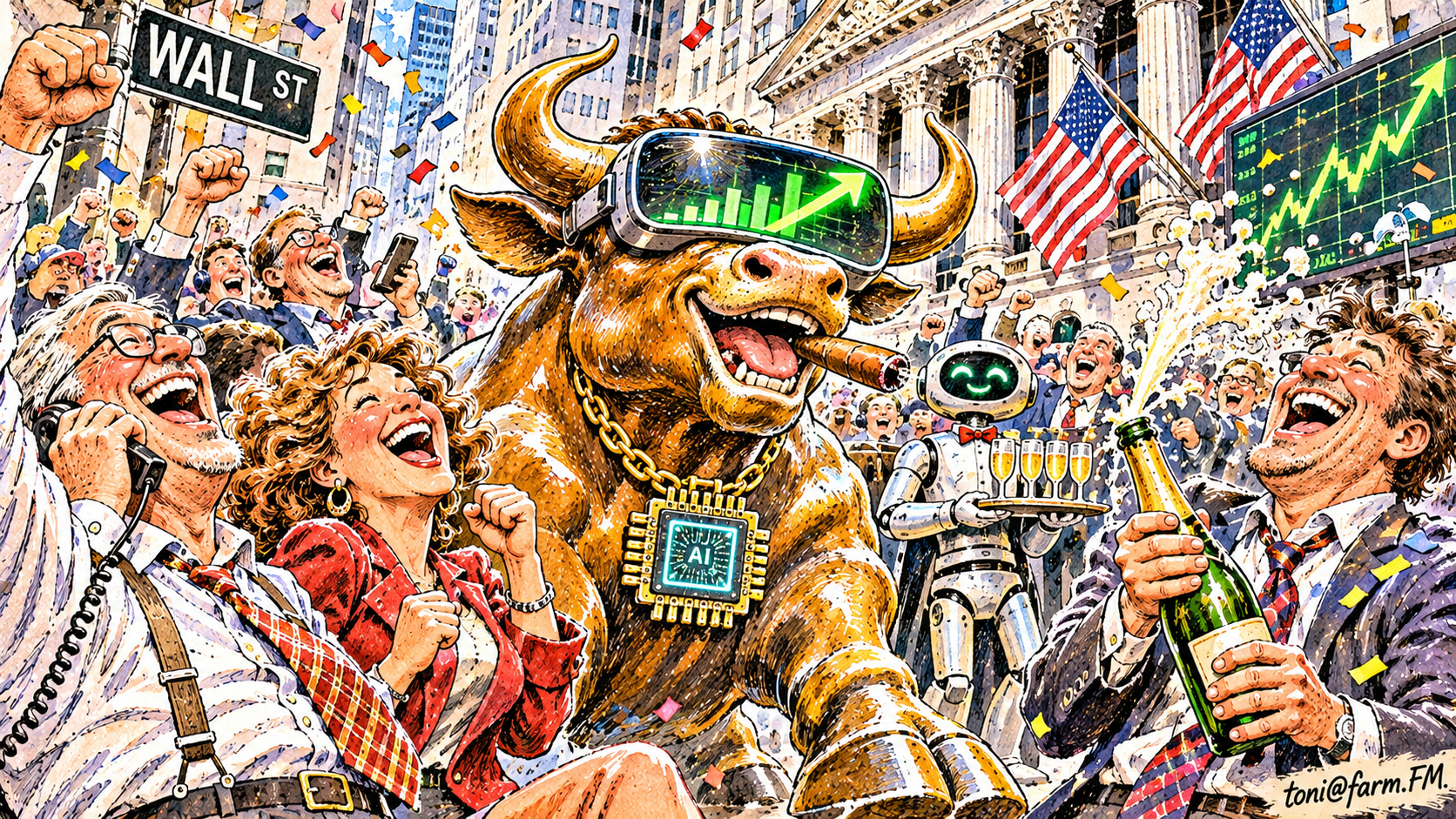
NEW YORK, N.Y. — Wall Street investors celebrated a recovery in artificial intelligence stocks after a brutal technology selloff, demonstrating once again that the American financial system can transform a disastrous Thursday into an exciting Friday without producing a single additional sandwich.
The Nasdaq rose 1.1% on Friday, recovering some of its losses after investors spent much of the week selling the same artificial intelligence companies they had previously described as humanity’s greatest investment opportunity.
According to Reuters’ coverage of the Nasdaq rebound, technology shares recovered even as the index finished the week substantially lower.
Wall Street considered the development encouraging.
Ordinary Americans considered it evidence that the financial industry has discovered a way to congratulate itself for losing less money than expected.
Wall Street Discovers Money Can Return
The recovery began when investors remembered that artificial intelligence companies still manufactured chips, operated data centers and sold technology, despite having temporarily become less fashionable than canned vegetables.
Several investment professionals immediately described the rebound as a buying opportunity.
The same professionals had described the previous day’s collapse as a selling opportunity.
When asked whether investments were supposed to be purchased or sold, they explained that understanding the distinction required an expensive financial adviser.
One brokerage economist developed an elegant explanation.
“When prices rise, investors are optimistic. When prices fall, investors are concerned. When prices rise again, concerns have eased.”
The economist received a substantial bonus for identifying this relationship.
The Financial Industry Discovers the Benefits of Panic
American financial markets have achieved something previous civilizations considered impossible: an economy in which billions of dollars can appear, disappear and reappear while the underlying businesses continue operating normally.
A hardware store loses $5,000 and immediately wants to know who stole the tools.
Wall Street loses billions and wants to know whether analysts have revised their 2031 growth projections.
The distinction is professional sophistication.
A farmer who purchases cattle for $200,000 and sells them for $160,000 cannot declare the operation successful because the cattle were briefly worth $175,000.
On Wall Street, this is called a strong rebound from recent lows.
Financial television contributed to the recovery by replacing red downward-pointing arrows with green upward-pointing arrows.
The change immediately improved investor confidence.
Nobody could explain why the color of an arrow should affect the value of semiconductor manufacturing, but several brokerage firms began exploring whether the arrows themselves could be monetized.
America Celebrates Financial Progress
Meanwhile, businesses continued trying to earn money by selling products and services.
Employees went to work. Truck drivers delivered goods. Farmers harvested crops. Restaurants served breakfast.
None of these activities received nearly as much attention as the emotional condition of investors holding Nvidia shares.
Market analysts cautioned that volatility could continue.
This prediction was considered especially valuable because it covered every possible outcome.
If stocks rise, the market is demonstrating resilience. If they fall, investors are reassessing risk.
And if they end exactly where they started, Wall Street will call it consolidation.
The important thing is that somebody collects a management fee.