

Biden Now Involved in Infamous “Kids-for-Cash” Scandal
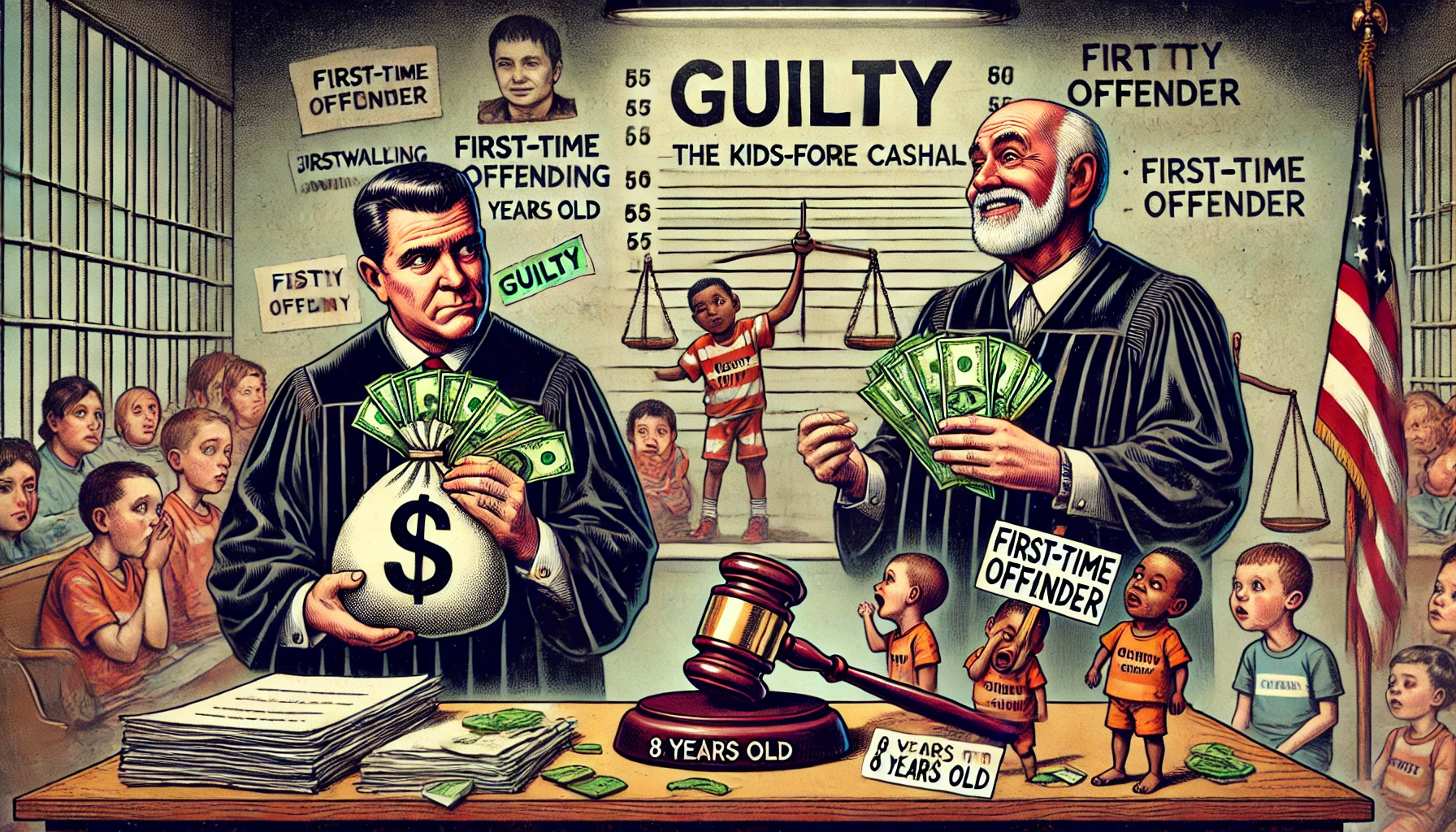
The infamous “Kids-for-Cash” scandal, one of the most egregious judicial corruption cases in U.S. history, recently resurfaced in the news after President Joe Biden commuted the sentence of Michael Conahan. Conahan, along with fellow Luzerne County Judge Mark Ciavarella, orchestrated a scheme that funneled thousands of juveniles into privately run detention centers in exchange for $2.8 million in kickbacks.
These judges shut down a county-run juvenile facility and implemented a draconian zero-tolerance policy that saw kids as young as eight locked up for minor infractions like truancy, jaywalking, or smoking on school grounds. The fallout was massive: over 4,000 juvenile convictions were overturned, and the scandal exposed deep flaws in the justice system.
While Ciavarella remains in prison, Conahan was released to home confinement in 2020 due to COVID-19 and is now a free man, thanks to Biden’s commutation. This controversial decision has reignited public outrage and served as a grim reminder of the systemic failures that allowed such corruption to thrive.
Buy Your Way Out of Jail
Michael Conahan and Mark Ciavarella, the disgraced judges behind the Kids-for-Cash scandal, weren’t just corrupt figures in the judicial system—they were also influential political donors. Both men were registered Democrats who contributed significantly to Democratic campaigns over the years, including donations tied to President Joe Biden’s previous runs for office. Their political alignment and financial support of Democratic candidates added a layer of irony and controversy to the scandal.
Public records show that Conahan and Ciavarella’s financial contributions to the Democratic Party were consistent before their convictions. This history has fueled criticism of Biden’s recent commutation of Conahan’s sentence, with detractors suggesting that political loyalty played a role in the decision. While no direct link between their donations and Biden’s actions has been substantiated, the optics of the commutation have sparked questions about accountability and favoritism.
For many, this is yet another example of how political connections can distort justice. Critics argue that the system’s willingness to forgive wealthy donors, even those convicted of heinous crimes, undermines public trust. As the story unfolds, the ties between these corrupt judges and their political beneficiaries serve as a stark reminder of the murky intersection of money, power, and justice.

Observations About the Biden-Commuted Kids-for-Cash Judge Scandal
1. Kids for Cash? Sounds Like a Terrible Groupon Deal
“Buy one minor infraction, get free detention!” might have been the judges’ unofficial slogan. They turned the justice system into a dystopian theme park where the prize for petty theft was an all-expenses-paid trip to a private detention center. Evidence of this twisted promotion? Over 2,300 kids were deemed “delinquent” for offenses so minor they wouldn’t merit a second glance today.
2. Zero Tolerance, Zero Morals
Conahan and Ciavarella’s zero-tolerance policy was a façade to guarantee maximum occupancy at their preferred lockups. While they preached “accountability” for kids, their own ethical compass pointed straight to the bank. The hypocrisy here is almost poetic: punishing children for skipping school while skipping all moral obligations.
3. The World’s Worst Monopoly Game
Forget “Go to Jail” cards—these judges had direct lines to the detention centers they profited from. With $2.8 million in kickbacks, Conahan and Ciavarella turned “Justice Avenue” into their personal Boardwalk, complete with luxury perks. Their victims? Kids whose biggest crime was being late to class.
4. First-Time Offenders? First-Class Corruption
Imagine being an eight-year-old caught jaywalking and ending up in juvenile detention while your judge upgrades his car. Ciavarella reportedly bragged about his tough stance on juvenile crime, which is rich considering his biggest crime was running a criminal enterprise.
5. COVID: The Get-Out-of-Jail-Free Card
Conahan’s release to home confinement in 2020 due to COVID-19 makes “quarantine privileges” sound like the ultimate punchline. While the rest of us baked sourdough bread, he traded prison bars for the comforts of his living room, proving once again that justice is flexible if you’re well-connected.
6. Biden’s Big Commute Energy
President Biden’s decision to commute Conahan’s sentence raised more than a few eyebrows. Commuting the sentence of a judge involved in one of the biggest judicial frauds in history? That’s a political choice akin to pardoning the Monopoly banker for pocketing the funds.
7. Kids for Cash: The Sequel No One Wanted
This scandal is like a bad movie franchise that keeps coming back. Every layer of it reveals more incompetence, greed, and systemic failure. It’s the lasagna of corruption—each layer worse than the last.
8. Juvenile Detention, Adult-Level Corruption
Conahan and Ciavarella weren’t content with imprisoning actual troublemakers. They threw the book at kids for petty infractions like smoking on school grounds. If truancy was worth detention, what would they have done for chewing gum in class? Solitary confinement?
9. Justice System or Pyramid Scheme?
The judges’ scheme had all the hallmarks of a multilevel marketing scam. Instead of pushing essential oils, they pushed essential sentencing—convicting kids to fill for-profit detention centers. Replace “judges” with “sales reps” and you’ve got an MLM with bonus corruption.
10. Pennsylvania’s Real-Life Soap Opera
Move over, Law & Order. The Kids-for-Cash scandal had more drama than a daytime soap: corrupt villains, innocent victims, and a justice system caught with its pants down. If they aired this in prime time, it’d break all streaming records.
11. Home Confinement: Netflix and No Remorse
Conahan’s stint in home confinement probably looked like early retirement. He swapped a cell for a sofa and likely spent his time binge-watching courtroom dramas, smugly critiquing the judges on TV.
12. Ciavarella’s Long Staycation
While Conahan roams free, Ciavarella is still locked up in North Carolina, serving a 28-year sentence. We can only imagine their next reunion will be the most awkward coffee date in history. “So, how’s the prison food?”
13. 4,000 Convictions Thrown Out
The Pennsylvania Supreme Court had to reverse thousands of juvenile convictions, undoing years of damage caused by these judges. If being grounded for life were a legal sentence, these judges earned it.
14. Juvenile Offenders or Future Activists?
The kids once labeled as “delinquents” are now symbols of systemic reform. Meanwhile, the real delinquents—Conahan and Ciavarella—wore robes and pretended to be paragons of justice. The irony is thicker than their court transcripts.
15. “Kids for Cash” Documentary or Horror Film?
The Kids-for-Cash story has all the makings of a Hollywood blockbuster, but it’s more horrifying than entertaining. Corrupt judges, victimized children, and a justice system that turned a blind eye—this is less “thriller” and more “tragic cautionary tale.”
Final Thoughts
The Kids-for-Cash scandal isn’t just a story of corruption; it’s a glaring indictment of the justice system’s vulnerability to greed. As Conahan enjoys his freedom and Ciavarella serves out his sentence, the kids caught in their scheme are left with scars—both literal and figurative.
Humor might help us process the absurdity, but the truth remains sobering: the justice system needs a reboot, and the villains in this story can never fully repay the harm they’ve caused. If nothing else, let’s hope this serves as a warning—and not an invitation—for future would-be scammers in robes.