

The Hidden Truth About Female Self-Care That Wellness Gurus Don’t Want You to Know
Revolutionary Study Reveals How Your Car Inventory Determines Your Entire Self-Worth
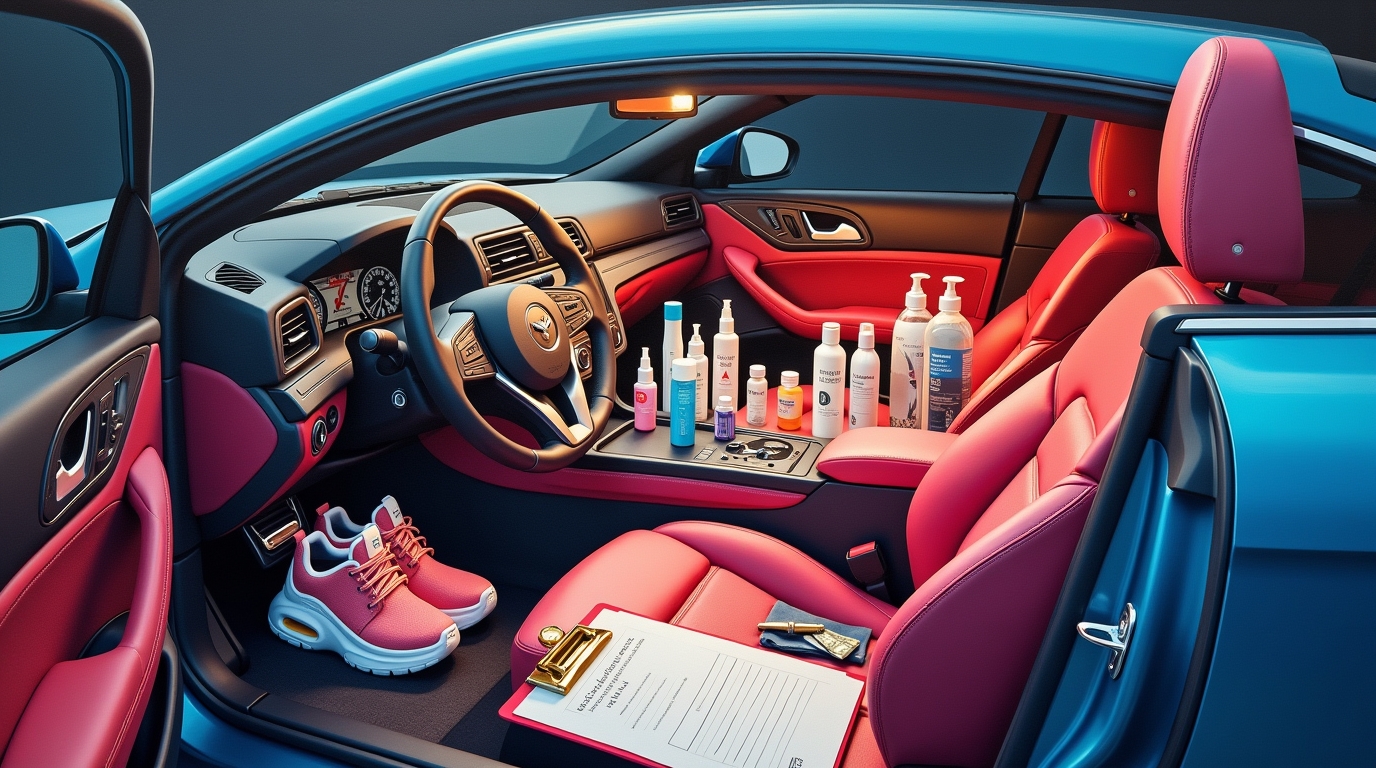
In what researchers are calling “the most groundbreaking development since sliced bread learned to love itself,” a new study from YourTango has definitively proven that you can determine a woman’s entire female self-care philosophy by conducting a forensic analysis of her Honda Civic. This represents a seismic shift in how we understand female self-care, transforming it from personal wellness choices into an eleven-item checklist that can be verified through vehicular inspection.
Gone are the days of actually talking to women about their female self-care routines or, God forbid, observing their behavior over time. Now, according to this scientific breakthrough, all you need is a flashlight and the courage to rifle through someone’s center console like a parking enforcement officer with a psychology degree.
As Jerry Seinfeld once observed, “What’s the deal with judging people by their stuff? I mean, if I have a banana in my car, does that make me health-conscious, or does it just make me someone who forgot to eat breakfast?”
The Sacred Art of Female Self-Care Archaeology
The study identifies eleven holy relics that, when discovered in a woman’s automobile, apparently indicate she has achieved enlightenment in the ancient art of female self-care. According to research from the American Psychological Association on women’s wellness, these items range from the mystical reusable water bottle to the sacred emergency cash stash—because nothing says “advanced female self-care” quite like being prepared for capitalism’s inevitable betrayals.
The research suggests that women who keep nutritional snacks in their cars are basically modern-day prophets of female self-care. Because apparently, the difference between a woman who has mastered female self-care and one who hasn’t can be measured in the quality of her granola bars. It’s a revolutionary concept that overturns centuries of philosophical thought about what it means to live well.
This vehicular archaeology transforms every woman’s car into a mobile testimony to her female self-care dedication. Your glove compartment isn’t just storage; it’s a sacred space containing evidence of your wellness worthiness. Your cup holders aren’t functional design; they’re shrines to your commitment to hydration-based female self-care.
Amy Schumer perfectly captured this absurdity when she noted, “I keep wine gummies in my car’s cup holder. Does that count as nutritional snacks for female self-care? Because according to the bottle, grapes are a superfood.”
The Sunscreen Gospel of Female Self-Care
Perhaps the most telling indicator of advanced female self-care is the presence of sunscreen hidden somewhere in the vehicle. According to Harvard Medical School’s research on sun protection for women, the study places particular emphasis on finding SPF products, citing research that links sunscreen usage to educational attainment and self-esteem.
This raises important questions about female self-care: Does the sunscreen make you smart, or do smart people buy sunscreen? Is SPF 30 the academic equivalent of a master’s degree? Can you substitute sunscreen for student loans in determining a woman’s female self-care sophistication?
The implications are staggering for the entire female self-care industry. If we accept this logic, then beach lifeguards are essentially Harvard professors with better tans, and people who burn easily are victims of their own intellectual inadequacy in female self-care practices.
Women who keep sunscreen in their cars are apparently practicing “self-discipline,” as if applying SPF requires the same level of female self-care commitment as training for the Olympics or learning to fold fitted sheets properly. The bar for female self-care self-discipline has never been lower, which is ironically quite disciplined of society.
Dave Chappelle once joked, “SPF in the car for female self-care? Lady, if you need sunscreen to drive to Walmart, maybe the problem isn’t your skin care routine—maybe you’re just a vampire trying to blend in with the wellness crowd.”
The Sacred Water Bottle Ritual in Female Self-Care
No modern female self-care practitioner’s car is complete without a reusable water bottle, preferably one that cost more than most people’s monthly streaming subscriptions. According to Mayo Clinic’s hydration guidelines for women, this isn’t just hydration; it’s a statement about your female self-care priorities.
The study breathlessly explains that hydration affects mood and energy levels, as if this information hasn’t been available since approximately the invention of thirst. But now we know that the difference between proper female self-care hydration and regular hydration is whether you drink from something with your name on it that you remembered to wash sometime this calendar year.
The reusable water bottle has become the modern equivalent of a designer handbag for female self-care—a visible symbol of values and economic status disguised as practicality. It’s environmentalism meets fashion meets the desperate human need to feel superior about something, anything, even if it’s just drinking water with style.
This female self-care accessory says, “I care about the environment, my health, and having something to dramatically sip when I need to pause for effect during conversations about my wellness journey.” The water bottle becomes a prop in the theater of female self-care performance.
Chris Rock captured this perfectly: “Reusable water bottle for female self-care? Great! You’re saving the planet one overpriced metal cylinder at a time. Meanwhile, you drove two miles to buy that water bottle at the wellness boutique.”
Hand Sanitizer: The Ultimate Female Self-Care Power Move
According to the research, women who keep hand sanitizer in their cars have achieved a higher plane of female self-care existence by acknowledging that germs exist and occasionally taking action against them. This places them in an elite category of humans who have successfully grasped basic microbiology and translated that knowledge into female self-care preparedness.
The study treats hand sanitizer usage as if it’s some kind of advanced female self-care meditation practice rather than a response to the very reasonable human desire not to contract diseases from grocery cart handles. But in our current wellness timeline, apparently being aware that public surfaces are dirty qualifies as extraordinary female self-care self-awareness.
The peace of mind that comes from clean hands is real, but so is the peace of mind that comes from remembering your pants when you leave the house. We don’t write female self-care studies about that because it’s considered basic human functioning, not a wellness breakthrough worthy of lifestyle articles.
This transforms basic hygiene into a female self-care achievement worthy of recognition and possibly Instagram documentation. Your ability to avoid germs isn’t just practical; it’s evidence of your advanced female self-care consciousness that deserves validation from the wellness community.
Tom Segura observed, “Hand sanitizer in the car for female self-care? What does having toilet paper in my bathroom mean—that I’m basically Gandhi of personal hygiene?”
The Aromatherapy Industrial Complex and Female Self-Care
Car diffusers have apparently become the latest frontier in performative female self-care, because nothing says “I have mastered my wellness journey” quite like making your Honda Civic smell like a yoga studio. According to research from the National Center for Complementary and Integrative Health on aromatherapy, the study suggests that women who use car diffusers are going the “extra mile” in their female self-care practice.
But now we’ve elevated basic olfactory preferences to the level of female self-care philosophy. Your choice of scent reflects your personal brand, your commitment to female self-care, and presumably your credit score. Vanilla says you’re nurturing in your female self-care approach; eucalyptus means you’re sophisticated; anything called “Ocean Breeze” indicates you’ve given up on authenticity entirely.
The diffuser represents the perfect marriage of modern female self-care anxiety and ancient marketing. Take something humans have always done—make spaces smell nice—wrap it in female self-care terminology, charge three times as much, and suddenly you’re not just masking the scent of last week’s forgotten sandwich; you’re practicing “intentional female self-care living.”
Your car becomes a mobile spa, a rolling testament to your female self-care dedication that announces to the world that you’ve transcended basic transportation and entered the realm of aromatic enlightenment. Every commute becomes a female self-care ritual worthy of wellness blog documentation.
Bill Burr perfectly captured this: “Car diffuser for female self-care? What’s next, scented steering wheel covers? Pretty soon we’ll need aromatherapy just to check the oil.”
The Emergency Wardrobe Revolution in Female Self-Care
Extra clothes in the car have been rebranded from “laundry procrastination” to “strategic female self-care planning.” Women who keep gym clothes in their vehicles aren’t just people who sometimes exercise; they’re visionaries who have transcended the limitations of single-outfit thinking in their female self-care practice.
The study frames this as evidence of a woman who maximizes her time and plans for female self-care success, rather than someone who’s learned from experience that life is unpredictable and sometimes you need clean socks. It’s the difference between being prepared and being prepared for female self-care opportunities.
This transforms every woman’s car into a mobile closet, a rolling testimony to her commitment to seizing every female self-care opportunity. Your trunk isn’t cluttered; it’s optimized for wellness possibilities. Your backseat isn’t messy; it’s strategic female self-care resource management.
According to research from the Women’s Sports Foundation, this preparation enables women to “leverage their free time” for fitness and socializing, which are apparently critical components of advanced female self-care practice.
Gabriel Iglesias noted, “Extra clothes in the car for female self-care? I keep extra clothes in my car too—it’s called ‘yesterday’s outfit’ and it’s called ‘I’m an adult who makes decisions about laundry day.'”
The Notebook of Infinite Female Self-Care Wisdom
Keeping a small notebook in your car has been elevated from “normal human behavior” to “advanced female self-care emotional regulation technique.” The study breathlessly explains that women who journal are using writing to manage stress and track responsibilities in their female self-care journey, as if making lists and writing down thoughts is revolutionary rather than literally what paper was invented for.
This notebook becomes a sacred text in the female self-care canon, a portable confessional where women can “brain dump” their worries and achieve mystical clarity while waiting in line at the bank. It’s therapy, organization, and manifestation all rolled into one pocket-sized female self-care package that probably cost $2 at the dollar store.
The research cites studies showing that writing boosts mental health, which is like citing studies showing that food prevents hunger. But now we know that the difference between regular writing and wellness writing is whether you do it as part of your female self-care routine while sitting in traffic.
Your car notebook isn’t just functional; it’s evidence of your commitment to female self-care mental wellness that deserves recognition from the therapeutic community. Every grocery list becomes a mindfulness exercise, every to-do list becomes emotional processing.
Sarah Silverman captured this absurdity: “A notebook in the car for female self-care emotional regulation? I have one too—it’s called my dashboard, and I use it to practice creative swearing when people can’t merge properly. That’s therapeutic too.”
The Trash Bag Philosophy of Female Self-Care
Perhaps the most extraordinary revelation in female self-care research is that keeping a trash bag in your car—literally just having a place to put garbage—is now considered evidence of advanced wellness consciousness. The study suggests this indicates a woman who won’t let “clutter and trash pile up” because she’s cognizant of taking care of her spaces as part of her female self-care practice.
This transforms basic cleanliness into a profound female self-care lifestyle choice. You’re not just someone who prefers not sitting in filth; you’re a space-care warrior who understands the deep connection between external order and internal peace in your female self-care journey.
The trash bag represents peak female self-care evolution: the recognition that garbage exists and should be contained. It’s a level of self-awareness that apparently deserves scientific study and lifestyle articles, because in 2024, not living in squalor qualifies as extraordinary female self-care self-discipline.
Your refusal to live like a raccoon has been academically validated and peer-reviewed as evidence of your female self-care mastery. Every empty water bottle properly disposed of becomes a small victory in the war against domestic chaos.
Ricky Gervais observed, “Trash bag for female self-care? Congratulations, you’ve discovered that garbage belongs in containers. What’s next, a study about how using toilets indicates advanced personal hygiene consciousness?”
Musical Therapy and Female Self-Care Excellence
Having a “calm playlist” in your car has been scientifically proven to indicate supreme female self-care mastery, because apparently curating music requires the same level of intentionality as meal prep or meditation. The study cites research about music’s benefits for mental health, as if humans haven’t known that music affects mood since the invention of rhythm.
But now your Spotify playlist isn’t just entertainment; it’s a “self-soothing ritual” that demonstrates your commitment to female self-care emotional regulation. Your car has become a mobile therapy session, and your choice of songs reflects your dedication to female self-care wellness rather than just your taste in music.
The playlist becomes a form of automotive aromatherapy for your ears, a carefully curated sonic environment designed to transform your commute from mere transportation into a journey of female self-care self-discovery. Your Honda is now a rolling meditation center, and your radio is a tool of wellness enlightenment.
According to the research, this musical female self-care approach is particularly important for women who don’t have “a ton of leisure time outside of driving to spend doing more intentional and active hobbies.” So your car becomes your spa, your gym, your therapy office, and your wellness retreat all in one.
Nate Bargatze perfectly summarized this: “A calm playlist for female self-care? Mine’s just whatever comes on the radio mixed with me yelling at people who don’t use turn signals. That’s therapeutic too, right? Where’s my wellness article?”
The Comfortable Shoe Revolution in Female Self-Care
The final indicator of ultimate female self-care mastery is keeping comfortable shoes in your car, because apparently the difference between a woman who has achieved female self-care enlightenment and one who hasn’t can be measured in arch support. The study treats this as evidence of advanced planning rather than basic human preference for not having feet that hurt.
These backup shoes represent the ultimate triumph of female self-care practicality over appearance, comfort over fashion, smart decision-making over societal expectations. They’re not just footwear; they’re a statement of values, a rejection of suffering for beauty, a commitment to podiatric female self-care that deserves academic recognition.
The comfortable shoes transform every woman’s car into a mobile shoe store, a rolling testament to her refusal to let fashion-induced foot pain derail her female self-care wellness journey. Your floorboard isn’t cluttered; it’s equipped for any walking-related female self-care emergency that might arise.
This represents the complete prioritization of female self-care over societal beauty standards, choosing function over form in a way that apparently requires scientific validation and lifestyle celebration. Your sneakers aren’t just practical; they’re revolutionary.
As Jim Gaffigan observed, “Comfortable shoes for female self-care? I keep comfortable shoes everywhere because I’m an adult who learned that life is too short for foot pain. It’s called ‘basic human intelligence,’ not ‘advanced wellness consciousness.'”
The Female Self-Care Industrial Complex Exposed
The Commodification of Basic Human Needs
This groundbreaking research represents the ultimate triumph of the female self-care industrial complex: the successful transformation of basic human maintenance into a premium lifestyle brand requiring constant validation and consumption. Every aspect of normal adult functioning has been repackaged as female self-Care achievement worthy of praise, documentation, and probably a subscription service.
The study reveals how the wellness industry has successfully convinced women that their worth can be measured by their ability to remember sunscreen and keep snacks in their cars. It’s the complete commercialization of female self-care, turning self-maintenance into self-performance that requires an audience and validation.
What was once called “being prepared” or “taking care of yourself” has been elevated to female self-care mastery requiring scientific study, lifestyle articles, and social media documentation. Your car isn’t just transportation; it’s a mobile wellness assessment center where your female self-care worthiness can be evaluated and scored.
The research transforms every woman into a walking female self-care case study, constantly being measured against an eleven-item checklist that determines her wellness worthiness. Your value as a person now depends on your automotive inventory management skills.
The Real Truth About Female Self-Care
Beyond the Car Inspection Checklist
While researchers scramble to identify female self-care indicators through vehicular archaeology, they’re missing the most obvious truth: actual self-care has nothing to do with what’s in your car and everything to do with how you treat yourself and others when no one is watching or judging your wellness performance.
Real female self-care isn’t about having the right accessories or passing some arbitrary checklist created by lifestyle bloggers with too much time and too few real problems. It’s about making choices that genuinely support your physical, mental, and emotional well-being, regardless of whether those choices photograph well or fit into trending wellness narratives.
The uncomfortable truth about female self-care is that it’s deeply personal and can’t be standardized into universal indicators that work for everyone. Some women find peace in perfectly organized spaces, others thrive in creative chaos. Some need structured routines, others require spontaneous flexibility. One woman’s female self-care is another woman’s source of stress.
This research represents the complete opposite of actual female self-care—the external judgment and measurement of women’s choices according to arbitrary standards created by people who don’t know anything about their lives, circumstances, or genuine needs.
Jo Koy captured this perfectly: “Female self-care measured by car contents? My mom’s idea of self-care was hiding chocolate in the laundry room so we couldn’t find it. She didn’t need a study to validate that—she just needed peace and chocolate.”
The Performance Trap of Female Self-Care
The study reveals how female self-care has become less about actual care and more about performing care for an audience of judges armed with clipboards and wellness credentials. Every choice becomes a potential female self-care assessment opportunity, turning self-maintenance into a competitive sport with constantly changing rules.
This performance aspect of female self-care creates the opposite of wellness—constant anxiety about whether you’re doing self-care correctly according to the latest research, trends, and expert opinions. Instead of reducing stress, performative female self-care increases it by adding another layer of evaluation to every decision.
Real female self-care might actually involve ignoring articles that claim to measure your wellness worthiness through car inspections and trusting yourself to know what makes you feel genuinely cared for and supported. But that doesn’t sell products or generate clicks, so it’s not part of the female self-care conversation.
The most radical female self-care act might be refusing to let your worth be determined by whether you meet someone else’s checklist of wellness indicators. Sometimes the most caring thing you can do for yourself is stop caring what others think about your self-care choices.
As Wanda Sykes noted, “Female self-care isn’t about impressing people with your car inventory. It’s about taking care of yourself well enough that you don’t need anyone else’s approval to feel good about your choices.”
The Bottom Line on Female Self-Care
This groundbreaking research has finally achieved what the wellness industry has been working toward for decades: the complete reduction of female self-care to a consumer checklist that can be evaluated, scored, and monetized by people who have never met you but feel qualified to judge your wellness worthiness.
The study represents the triumph of external validation over internal wisdom, performance over authenticity, and consumption over genuine self-knowledge in the female self-care space. We’ve successfully transformed the deeply personal practice of caring for yourself into a standardized assessment tool that ignores individual needs, circumstances, and preferences.
Perhaps the most remarkable achievement of this research isn’t what it tells us about female self-care—it’s what it reveals about our desperate need to judge, measure, and commodify every aspect of women’s choices, including their attempts to take care of themselves.
The real female self-care revelation might be that you don’t need anyone’s permission, validation, or assessment to take care of yourself in ways that actually work for your life. Your worth isn’t determined by your car contents, your wellness worthiness isn’t measured by your automotive inventory, and your female self-care success isn’t dependent on passing someone else’s checklist.
As Jerry Seinfeld says, “What’s the deal with measuring female self-care by car contents? If I wanted my life evaluated by my possessions, I’d apply for a loan, not read a wellness article. Sometimes taking care of yourself is just taking care of yourself—no checklist required.”
