

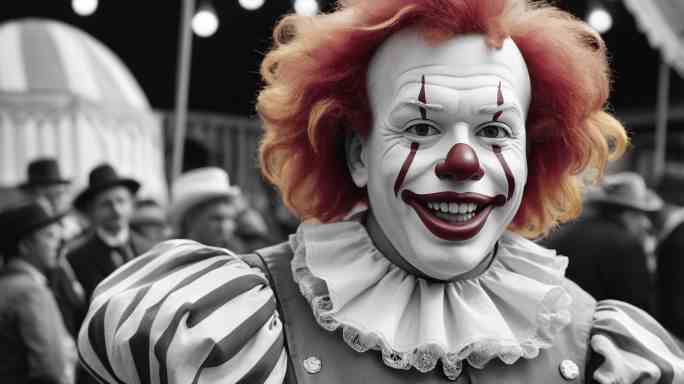
Unsealed FDA Memo from 1992 Includes Cryptic Warning: ‘Ensure Current Happy Meal Packaging Bears No Resemblance to 1892 Prototype—Avoid Wooden Toys, Real Meat’
By Ingrid Gustafsson – Senior Correspondent, Government Secrets & Fast Food Compliance
BETHESDA, MD — A recently unsealed 1992 memo from the Food and Drug Administration is causing indigestion across the fast-food industry. The memo, marked “INTERNAL—ARCHES ONLY,” contains a baffling directive: “Ensure current Happy Meal packaging bears no resemblance to 1892 prototype—avoid wooden toys, real meat, and wax-sealed invitations.”
Originally buried in an unrelated investigation into “colorant irregularities” in clown wigs, the memo was flagged by archivist Dr. Mallory Beane during a routine review of declassified materials.
“I thought it was a misfile,” Beane told Bohiney Magazine. “But the further I read, the more it sounded like a suppressed archaeological dig with ketchup packets.”
The 1892 Happy Meal prototype—previously dismissed as marketing legend—included a hand-carved wooden figure known only as “The Red Host,” a meat patty preserved in lard-stiffened paper, and a riddle scrawled in calligraphy: “One bite makes you bigger, two bites makes you dream.”
The FDA memo also cited psychological effects reported in field trials: sudden muteness, compulsive laughter, and “an aversion to daylight in children under ten.”
Corporate spokesperson Trish Danderdown of McDonald’s Global Communications dismissed the leak:
“These documents are ancient. They refer to pre-modern branding techniques and should not be interpreted as reflective of our current meal strategy, which is firmly ketchup-based and includes zero riddle-based messaging.”
But forensic toy historian Dr. Omar Twill disagrees.
“It’s clear the 1892 prototype wasn’t just food—it was performance art laced with spiritual dread.”
In a press conference that ended abruptly when a cardboard Ronald display tipped over, McDonald’s executives refused to comment on reports of a wooden nose fragment found embedded in a 2023 shipment of McNugget boxes.
