

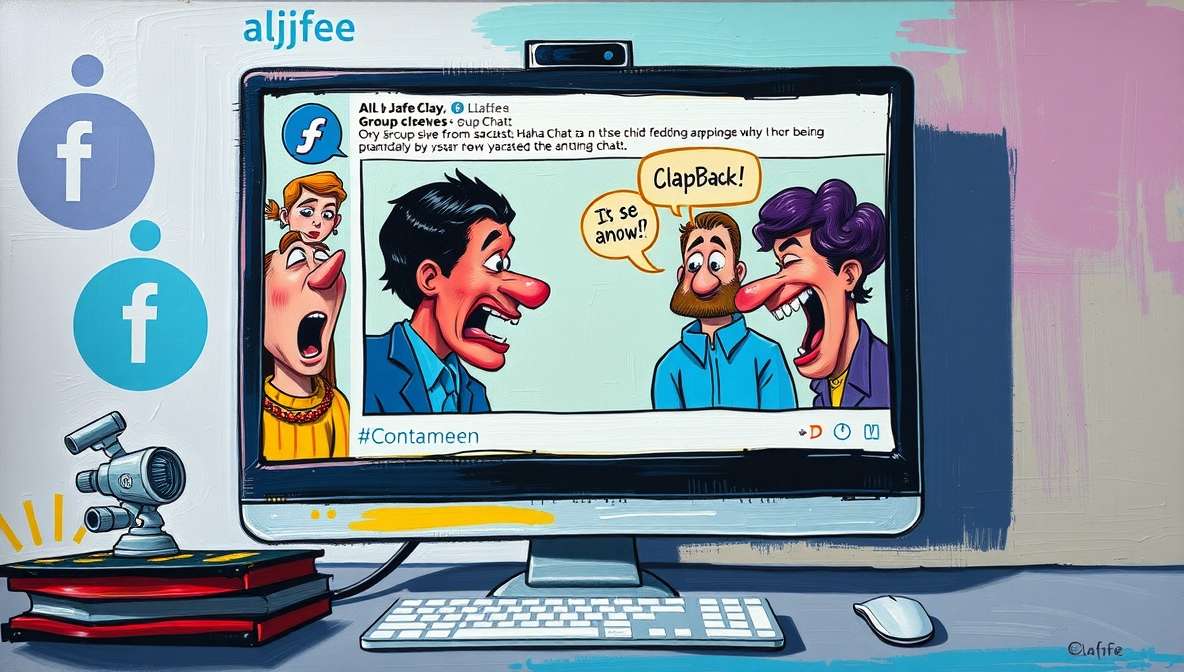
New AI Feature “ClapBack” Automatically Defends Users From Group Chat “Haha” Replies
SAN FRANCISCO, CA – Tech startup SassyAI has launched a controversial new feature called “ClapBack,” designed to combat the epidemic of low-effort digital acknowledgments in group chats, specifically targeting the person who only ever replies “Haha.”
The feature, which integrates with popular messaging apps, uses advanced sentiment analysis to detect when a user’s detailed message—such as a lengthy personal story or complex question—is met with a dismissive “Haha” from a specific contact. ClapBack then automatically generates and sends a custom, context-aware retort. Options range from the mildly sarcastic (“Glad my existential crisis could amuse you”) to the brutally direct (“I see your emotional range is still set to ‘single syllable'”).

“We are solving a real digital pain point,” said SassyAI CEO, Brenda Lin. “The ‘Haha’ reply is the textual equivalent of a pat on the head. It’s dismissive, it ends conversation threads, and our data shows it’s a primary contributor to digital anxiety.” A study from the Pew Research Center on the nuances of digital communication confirms that misinterpreted tone is a major source of conflict in online interactions.
Early users are divided. “It’s saved me so much mental energy,” said beta tester Ben Miller. “My friend would send a paragraph about his bad day, I’d send a thoughtful response, and one guy would just reply ‘Haha.’ Now ClapBack automatically asks him to ‘elaborate on the joke.’ It’s glorious.”
However, critics warn the feature could escalate digital conflict. The American Psychological Association notes that passive-aggressive communication often exacerbates rather than resolves issues. “Automating sarcasm is a dystopian nightmare,” said Dr. Alena Petrov, a sociologist studying tech’s impact on society. “We’re outsourcing our emotional responses to algorithms, which likely violates several principles of healthy communication outlined by the National Institute of Mental Health.”
Despite the controversy, demand is high. The next planned update, “PettyPatrol,” will automatically like an old Instagram post of anyone who leaves a message on “Read” for more than 72 hours.