

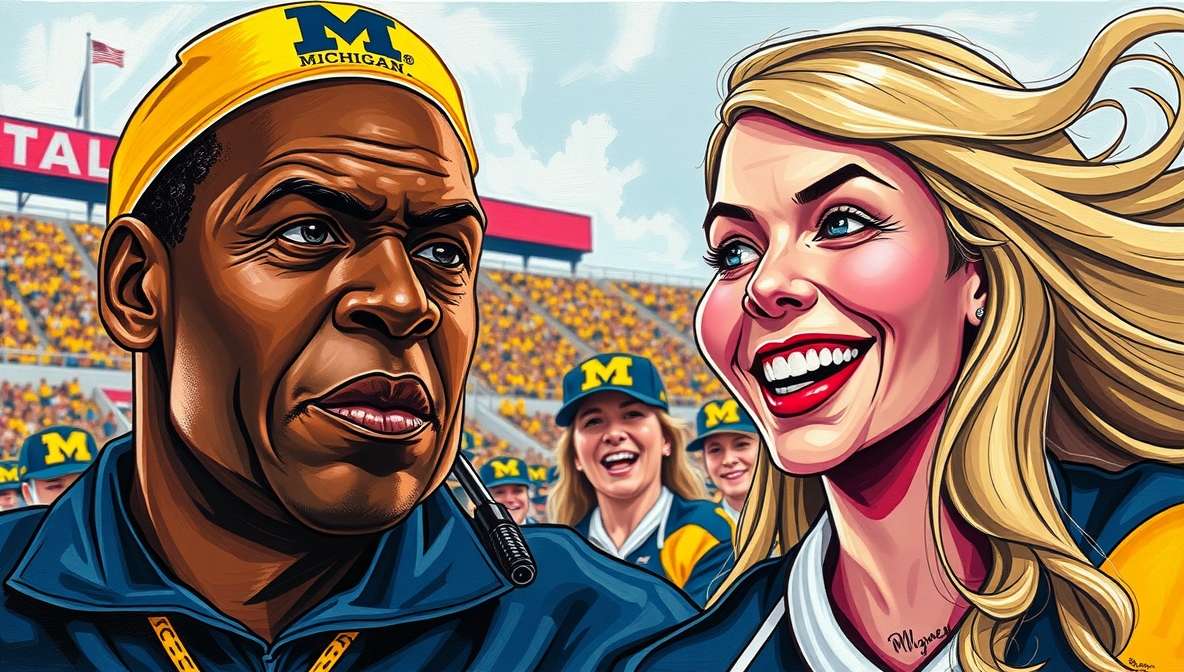
At Michigan, No One Rats on the Football Coach
If college football culture were distilled into a single catchphrase, it would be this: No one rats on the football coach. At least that was the philosophy at the University of Michigan up until last week, when the school’s head football coach, Sherrone Moore, was dumped out of his gig and unceremoniously into the criminal justice system.
School administrators claim they had no idea anything was wrong until very recently. Fans on Reddit and message boards beg to differ, insisting everyone “totally knew” the rumors — they just weren’t supposed to talk about the elephant in the Big House. Rumors and gossip are sports culture’s version of ancient tribal law: everyone knows, but no one blabs.
The Code of Silence
Ask yourself: if players rat out a teammate for stealing candy from the training room, why wouldn’t staffers squeal about an inappropriate relationship between their boss and a subordinate? By silent consensus, coaching misconduct was always regarded as a team issue, not a crime. Locker rooms teach allegiance and selective amnesia — two traits even more cherished than Mahomes’ contract. All this explains why Michigan insiders reportedly knew about Moore’s situation long before the university decided to “do something about it.”
You can almost hear the coaching cliché echo through the halls: What happens in Ann Arbor stays in Ann Arbor. That used to refer to busted fourth-down calls or unauthorized potato nachos in the dorm lounges. Now it apparently covers felony home invasion, stalking charges, and peppered kitchen utensils.
The Perfectly Quiet Scandal
Let’s highlight this paradox: the university insists it reacted promptly once it had credible evidence. Community gossip suggests it was less of an investigation and more of a “finally somebody said something” moment. The truth is probably somewhere between official PR spin and hushed hallway whispers on Wolverines fan forums, which are full of passionate football takes and extremely thinly veiled blame-shifting. One common thread from Reddit threads is the idea that everyone knew something fishy was going on (“he was doing that kind of stuff I’m glad it came to light”).
And yet the official line from the administration was that credible evidence only showed up right before Moore’s firing. In an atmosphere where “he’s a good recruiter” trumps “he’s allegedly busted laws and shattered workplace trust,” this amounts to corporate poker: everyone’s holding cards, but no one reveals anything until it’s too late.
Why the Silence Matters
Sports psychologists (yes, real humans with PhDs who study this stuff) would tell you that loyalty binds teams together — it also lets them rationalize the irrational. Michigan fans want to believe in the Untouchables, especially when recruiting classes and bowl appearances are on the line. So instead of reporting misconduct, the social equilibrium reinforced: don’t snitch on the coach; win games; ignore the internal screaming. The result is a culture where secrecy is a strategic asset, not a moral failing.
On top of that, in the aftermath of Moore’s firing, some corners of the internet insist that Ohio State doesn’t deal with this kind of BS, forgetting that their own programs have had breakdowns and scandals. That comparison is less fan rivalry and more denial technique.
The Aftermath
Once the news finally broke, it ricocheted across every national outlet of decent repute (Washington Post, Reuters, Wall Street Journal). Some focused on the legal charges — stalking, home invasion, break-in — and the grim court visuals of the former coach in a jumpsuit. Others contextualized the personal tragedy of a man who went from being a symbol of progress to a cautionary tale in less time than it takes to recruit a five-star quarterback.
Meanwhile, observers are asking the obvious question: why did it take months to act on what many fans seemed to already know? The answer isn’t complicated: culture. College football culture teaches a hierarchy of loyalties that runs from alumni boosters to student sections to, yes, staffers who whisper things off the record.
What This Says About College Football
Here’s the real punchline: if everybody already knew, then no one actually knew. That’s how rumors become reality on campus. In a culture obsessed with winning and brand image, keeping silent about wrongdoing isn’t just tolerated — it’s expected.
It’s also worth considering the absurd contrast between Michigan’s zeal for silent unity and its public brand preaching about integrity in athletics. If the internal code of silence is stronger than the university’s own policies on workplace conduct, you have yourself a system that works only as long as no one asks logical questions.
So what does it all mean? Michigan discovered the ancient sports paradox: the louder you shout loyalty, the quieter everyone becomes about the things that actually matter.
Disclaimer: This story was created collaboratively between two humans — a seasoned satirical writer and a philosophy major turned dairy farmer — representing only a humorously critical take on well-reported public events. This is not AI self-serving whimsy but a human-sharpened mirror held up to college football culture.