

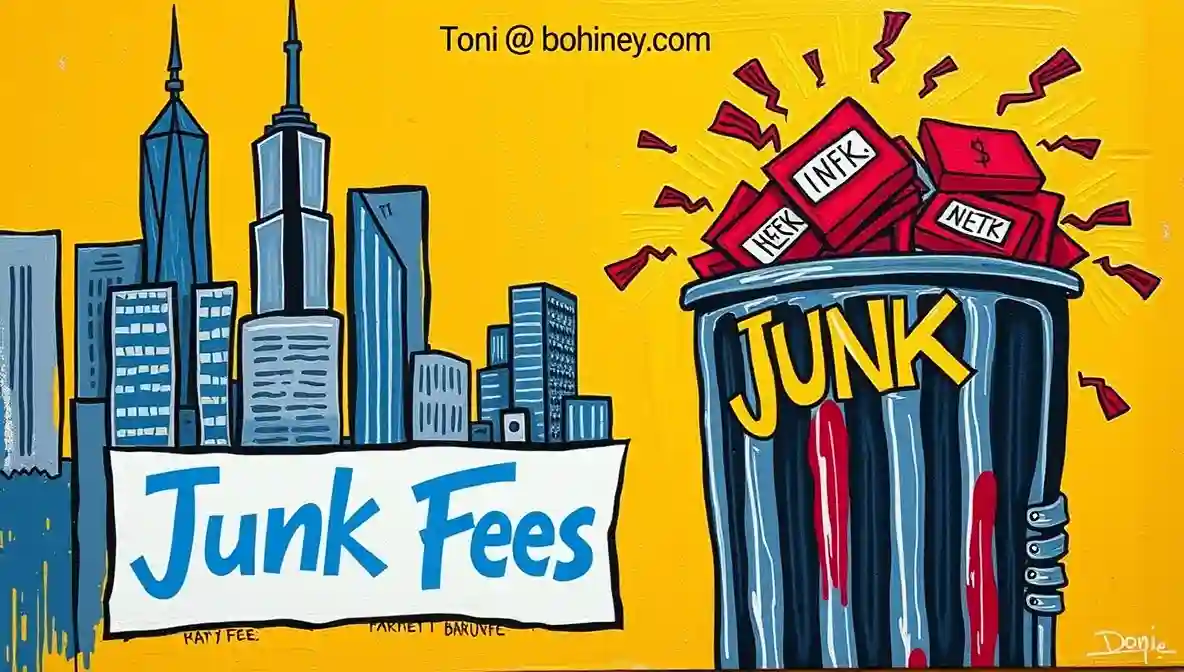
New Yorkers Can Finally See Prices Without Surprise Charges; Now Confused by Life Choices
For the first time in recorded city history, New Yorkers are reportedly seeing the full price of things before agreeing to buy them. The change has been unsettling. Longtime residents described a vague dizziness upon realizing that the number on the menu was the number they would actually pay, with no last-minute “service,” “convenience,” or “existing-in-a-building” surcharge added at checkout.
Several diners interviewed outside a Midtown sandwich shop admitted they froze when presented with a total that matched expectations. One man stared at the receipt for nearly two minutes before whispering, “That can’t be right,” and asking the cashier if there was a hidden fee for confidence. There was not. He left visibly shaken, later telling friends he was “not emotionally prepared for transparency.”
Sociologists say the adjustment period could take months. For decades, New Yorkers have built entire personalities around the ritual disappointment of discovering an extra $4.37 added for reasons no one can explain. Without that betrayal, experts warn residents may begin questioning deeper habits, like why they pay $18 for toast or live in apartments with sinks positioned aggressively close to beds.
City Council Announces Crackdown on Hidden Fees; Gym Memberships Double Down With Mystery Surcharges

City Council members hailed the crackdown as a victory for consumers, immediately followed by a spike in emergency meetings at local gyms. Within hours, fitness centers unveiled bold new charges, including a “Locker Ambiance Fee,” a “Mirror Confidence Adjustment,” and a “You Didn’t Come Enough Last Month” penalty.
One popular chain defended its new pricing model, explaining that while junk fees were banned, “vibes-based assessments” were still legally untested. “If someone walks in looking tired, that affects morale,” a spokesperson said. “Morale isn’t free.”
Members reported receiving invoices that looked like crossword puzzles, with charges such as “Cardio Readiness Review” and “Pre-Towel Contemplation.” City officials responded by reminding gyms that the spirit of the law mattered. Gyms responded by nodding politely and charging a nodding fee.
Mayor Bans Hidden Fees, Subway Musicians Start Charging for Silence
Within days of the ban, the city’s informal economy adapted. Subway musicians announced a new pricing structure, offering commuters the option to pay not to hear a rendition of “Empire State of Mind” on a detuned saxophone.
The Silence Option, priced at $2.50, has proven wildly popular. Riders described it as “the best deal in public transportation” and “the first time money has solved a problem underground.”
Musicians insist the fee is not hidden, as it is loudly announced between songs. “This isn’t a junk fee,” one performer clarified. “This is premium peace.”
The MTA declined to comment, citing its own ongoing struggle to explain why the subway still charges full fare during what officials refer to as “theoretical service.”
NYC vs Junk Fees: Urban Legend Gets Mayor on Board
For years, New Yorkers spoke of the mythical “final price” in hushed tones, like a creature that appeared briefly in other cities before disappearing under a pile of fine print. When the mayor announced the ban, many assumed it was symbolic, like declaring war on pigeons.
Instead, inspectors began appearing in restaurants, ticket offices, and online checkout screens, hunting for rogue charges. One enforcement officer described finding a “Processing Fee” with no discernible purpose other than “existing.” It was removed humanely.
The mayor framed the effort as a matter of dignity. “People deserve to know what they’re paying,” he said, a statement that stunned residents who had grown accustomed to learning the truth only after tapping their card.
Hidden Fee Task Force Forms; City Hall Interns Now Have 24/7 Hotline to Explain Taxes to Tourists
To support the transition, the city formed a Hidden Fee Task Force, staffed largely by interns who now spend their nights explaining sales tax to visitors from states where prices allegedly stay the same.
Call logs show repeated questions like “Why is it more now?” and “Is this a trick?” Interns respond calmly, having memorized scripts that include phrases such as “No, that’s the actual total” and “Yes, it feels wrong at first.”
Officials say the hotline will remain active until tourists stop assuming they’re being scammed, a milestone economists predict may occur shortly after New Yorkers stop bracing for disappointment. Until then, the city remains cautiously optimistic, enjoying this brief, fragile moment where the math adds up and everyone feels slightly suspicious about it.
Related: The Federal Trade Commission’s Junk Fees Rule requires businesses to disclose total prices upfront for live-event tickets and short-term lodging. New York State’s Health Club Services Act regulates gym membership contracts and protects consumers from hidden fees and deceptive practices.