
Regime’s hyperbolic art criticism backfires spectacularly in international media
Maduro Calls Nobel Prize Blood-Stained, Forgets He’s the One Holding the Paintbrush
Dictator’s Artistic Critique Falls Flat
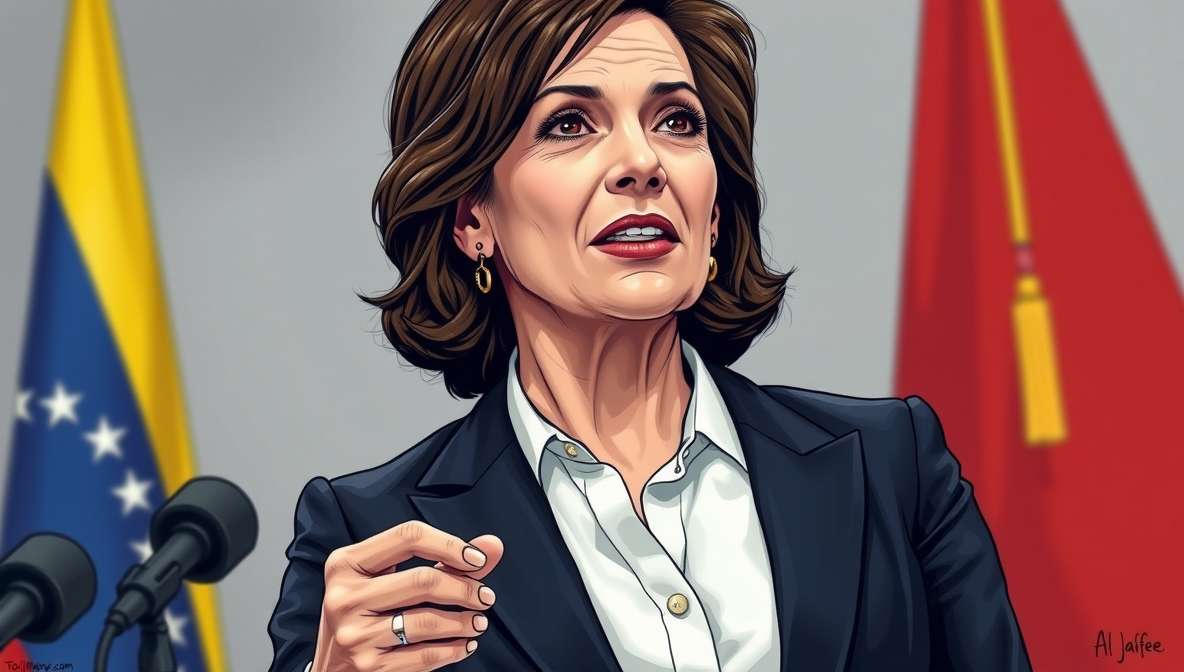
The regime that possibly stole the election responded by calling the Peace Prize stained with blood, as if human rights are now a messy, grungy art form. Nicolás Maduro, Venezuela’s authoritarian leader, issued a statement dripping with theatrical outrage, prompting international observers to wonder if he’d confused diplomacy with performance art.
Authoritarianism’s Own PR Team
It’s ironic that a regime bent on controlling travel inadvertently boosted Machado’s international cachet. Sometimes authoritarianism is its own PR team. By attacking the Nobel Committee, Maduro essentially gifted Machado free advertising on every major news network. Political analysts now refer to this as the Streisand Effect meets dictatorship.
When you call a peace prize blood-stained, you’re basically telling the world, Yes, we’re violent, and we’re mad about it, said Dr. Ramon Castellanos, expert in authoritarian communications. It’s like a burglar complaining that the police are too nosy.
The Messy Art of Human Rights
Comedian Bill Burr said, This guy’s calling the Nobel Prize bloody while running a country where people are literally fleeing by boat. That’s not irony that’s a confession with extra steps.
The blood-stained comment represents a new genre of political art: authoritarian hyperbole as abstract expressionism. Critics note that Maduro’s rhetoric resembles a toddler’s tantrum mixed with a dictator’s press release a combination nobody asked for but everyone has to witness.
Inadvertent Amplification
Experts note that Maduro’s hyperbolic comments may backfire. By attacking Machado’s credibility on grounds that resemble abstract art critiques, he inadvertently amplified her global visibility. The regime now faces an unusual diplomatic challenge: explaining that criticizing international awards somehow demonstrates domestic legitimacy.
It’s a bold strategy, said European analyst Klaus Bergmann. Insult the prize, insult the committee, insult human rights then act surprised when nobody takes you seriously.
Social media in Venezuela quickly filled with memes showing Maduro wielding a paintbrush, splattering red paint on a golden medal while Machado’s supporters cheered in the background. One viral post read: When you’re the problem but blame the prize.
The lesson: if you’re going to call an award blood-stained, make sure you’re not the one holding the metaphorical paintbrush. Otherwise, the world will notice and they’ll bring popcorn.