

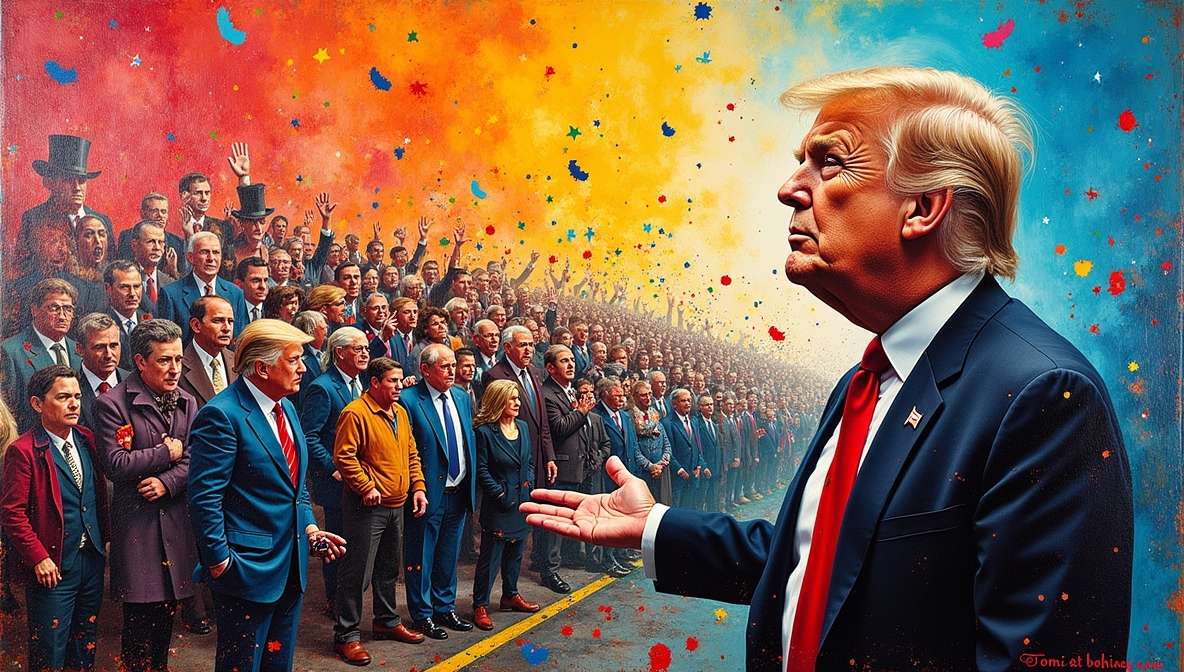
Tariffs, Rebates, and the Illusion of Economic Relief
America Introduces Revolutionary Economic Strategy: Mail Everyone a Check and Call It a Plan
The United States has once again demonstrated its unmatched ability to solve complex economic problems using office supplies and vibes. After announcing a new round of tariffs and quietly admitting they might make things more expensive, federal officials reassured Americans with the timeless policy response: don’t worry, you’ll get a rebate check.
Economists across the ideological spectrum agreed this was bold. Mostly because it involved no math.
Under the plan, tariffs raise prices on imported goods, consumers notice everything costs more, and the government sends Americans a rebate check that arrives six to eight months later, just in time to pay for something that now costs even more. Treasury officials described this as “a circular economy,” while critics called it “a boomerang you pay taxes to throw at yourself.”
Supporters insist the checks will soften the blow. Detractors point out the checks will be spent immediately on groceries, utilities, and whatever chain restaurant just closed at Destiny USA, now reincarnated as a Spirit Halloween.
One senior administration official, speaking on condition of anonymity because even he didn’t understand the plan, explained it this way: “Look, Americans like getting mail. They like checks. We’re leaning into that.”
The Internal Revenue Service confirmed buyers of new “Made in USA” cars may qualify for tax perks, provided they can afford a new car in an economy where people are googling “Is cereal a dinner?” at record levels. Car dealerships have already begun advertising this incentive with banners reading Freedom Costs $48,000 Before Fees.
Meanwhile, New York City welcomed a brand-new mayor sworn in on New Year’s Day, inheriting an economy where rent is theoretical, public trust is experimental, and the phrase “turning point” appears in opinion columns every four hours like a nervous tic. The mayor promised bold leadership, transparency, and to “listen to stakeholders,” which is political code for “delay everything until everyone is equally mad.”
Wall Street analysts applauded the tariff-rebate combo as “psychologically fascinating,” noting it allows Americans to feel both punished and rewarded by the same policy, sometimes on the same day. One Bloomberg economist compared it to “getting charged for a flight delay, then receiving airline miles that expire yesterday.”
Across the country, citizens are adapting. Some are budgeting. Others are hoarding rebate checks like collector’s items. One man in Ohio framed his last one and said, “This is the closest thing to fiscal clarity I’ve ever owned.”
The administration insists the policy works because it sends a message. That message appears to be: We acknowledge this hurts, but look, envelope.
Experts predict the next phase will involve rebates for the rebates, followed by a press conference explaining that inflation is actually a mindset. Until then, Americans will continue doing what they do best: paying more, complaining louder, and cashing the check anyway.