Trash Takes Itself Out: The Market’s Beautiful Censorship Machine
If It’s Woke Garbage, the Trash Can is Ready and Waiting
In a world where everyone’s a tortured genius—or at least claims to be—there’s only one true critic that never lies: the free market. Forget government-imposed censorship; the market does a far better job tossing literary junk into the metaphorical trash heap of obscurity. Think of it as evolution for art—survival of the tastiest.
The latest panic attack from PEN America and a handful of publishing elites has us believing that book bans are some great tragedy. But guess what? The real force “banning” books isn’t censorship—it’s cold, hard economics. If a book bombs, it goes back to the publisher’s basement faster than you can say clearance bin.
Artful Taste or Hot Garbage: You Be the Judge
Let’s get one thing straight: Not everything written deserves a spot next to Shakespeare or Toni Morrison. Some books exist for no other reason than to clog up the bestseller shelf at airport bookstores. Others are just… well… literary noise pollution. Take a peek at some recent flops, and you’ll see that even self-described “visionaries” are only one bad review away from an eternity in bargain-bin purgatory.
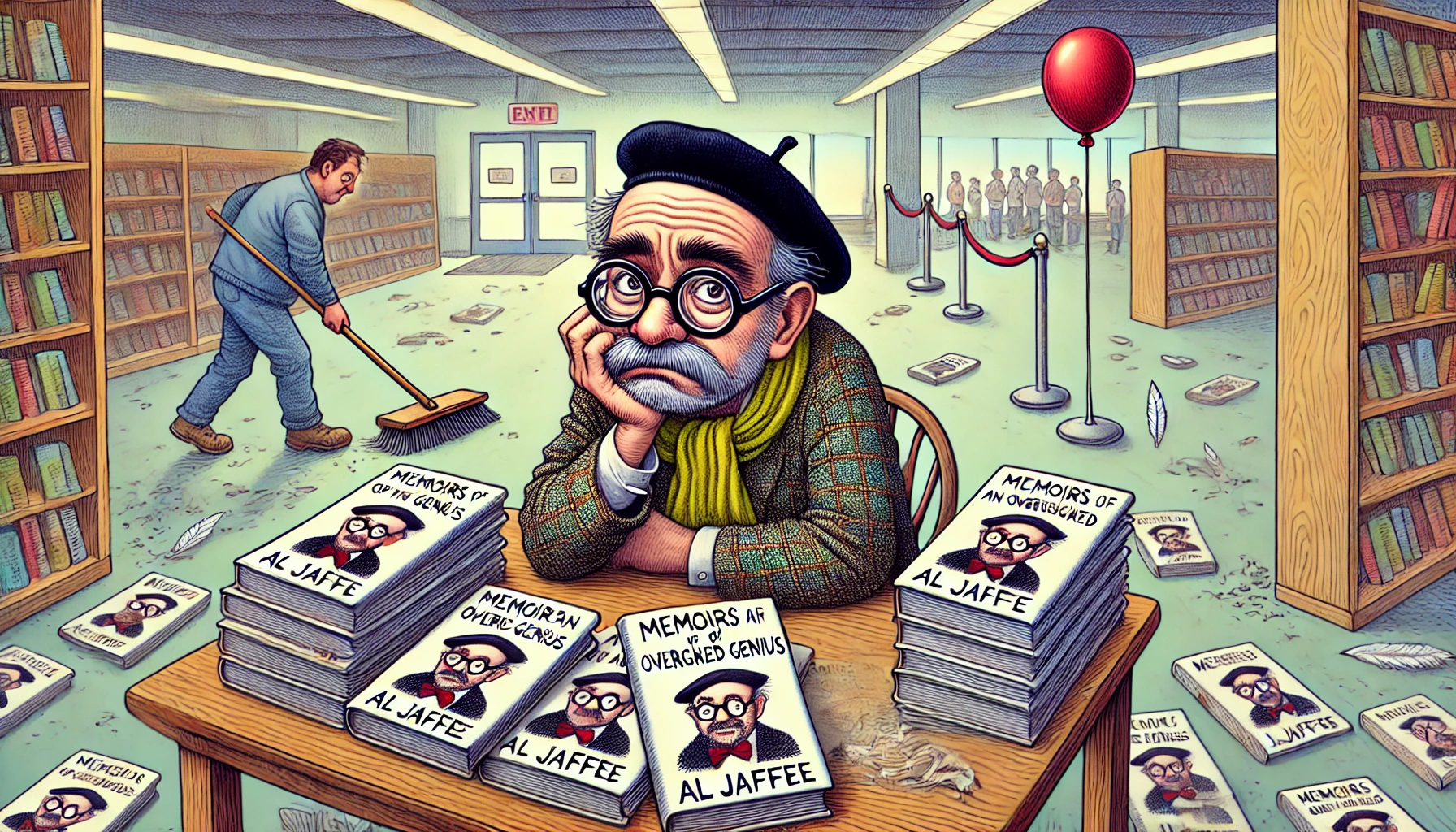
Here’s a handy rule: If your novel sells fewer copies than the number of people at your family reunion, it wasn’t banned—it was boring. That’s not suppression. That’s the market saying, “No, thank you.”
And let’s talk about foul fake art. You know the type—performance pieces that involve someone yelling into a mason jar for 20 minutes while claiming to deconstruct colonialism. Sure, it sounds edgy, but it’s really just a bad idea with good marketing. The market usually sorts it out fast enough. If no one shows up to watch it twice, you’ve got yourself an empty gallery and a surplus of mason jars.
Solution? Trash Cans. That’s What They’re For
Books and art that don’t resonate have a natural home. It’s called the trash can—right next to bad screenplays and unfunny Twitter jokes. Contrary to popular belief, there’s no conspiracy behind that. It’s simply the world’s way of curating itself.
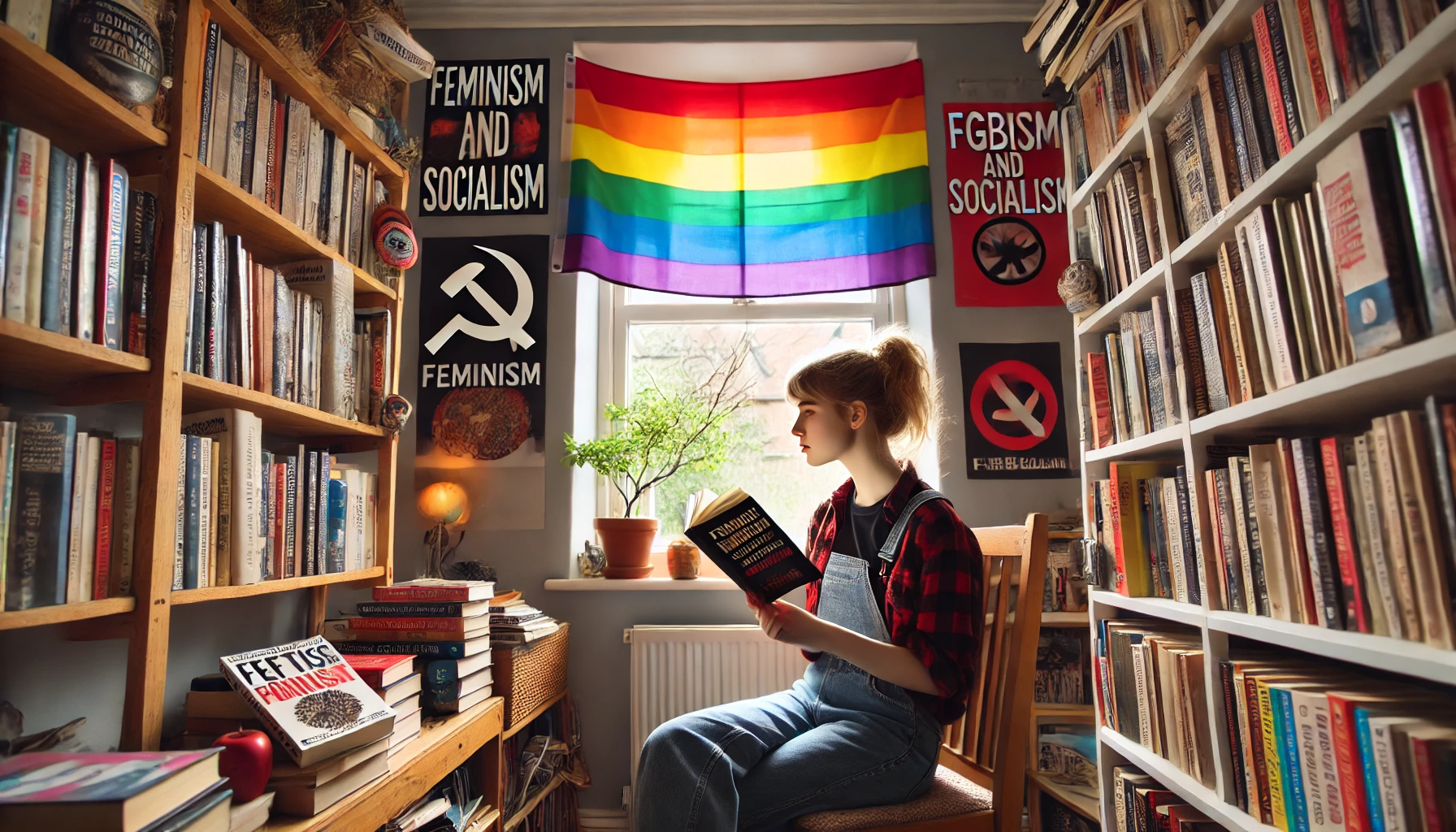
When it comes to satire, taste matters. Sharp, witty, and relevant content finds its audience. Cheap shots, bland rhetoric, and soapbox preaching? Straight to the compost heap of history. Just like art critics eventually reject finger-painting at gallery openings, consumers reject low-effort “activist literature” disguised as profundity. That’s how the system works—tasteful satire stays, and fake art fades.
Leave the Gatekeeping to the Market
The beauty of the market is that it gives everyone a shot—but not everyone survives the audition. That’s not censorship; that’s democracy with a twist of capitalism. Tasteful satire will always outlive trendy nonsense because it’s rooted in quality and clever observation. The solution isn’t to cry foul when something flops—it’s to write or create better. Good work rises; bad work composts. Simple.
So, to all the panic-stricken cultural warriors clutching pearls over the alleged collapse of art and literature, remember: Sometimes, things don’t need to be banned. They just need to be ignored. Trash cans exist for a reason.
The World’s Worst Authors
-
“Self-published authors are like garage bands—you love their passion, but nobody wants to hear their 12-minute ukulele solo.” — Ron White
-
“My neighbor wrote a memoir… about their journey to Whole Foods. I gave it one star for lack of plot and too much quinoa.” — Jerry Seinfeld
-
“Authors complain their books aren’t selling, but maybe there’s not a big market for ‘Erotic Fan Fiction for Accountants.'” — Amy Schumer
-
“I read a book so bad it made Twilight look like War and Peace. That’s an achievement in reverse.” — Sarah Silverman
-
“Every failed author thinks they’re the next Hemingway. But Hemingway didn’t blame the algorithm, he just drank more.” — Larry David
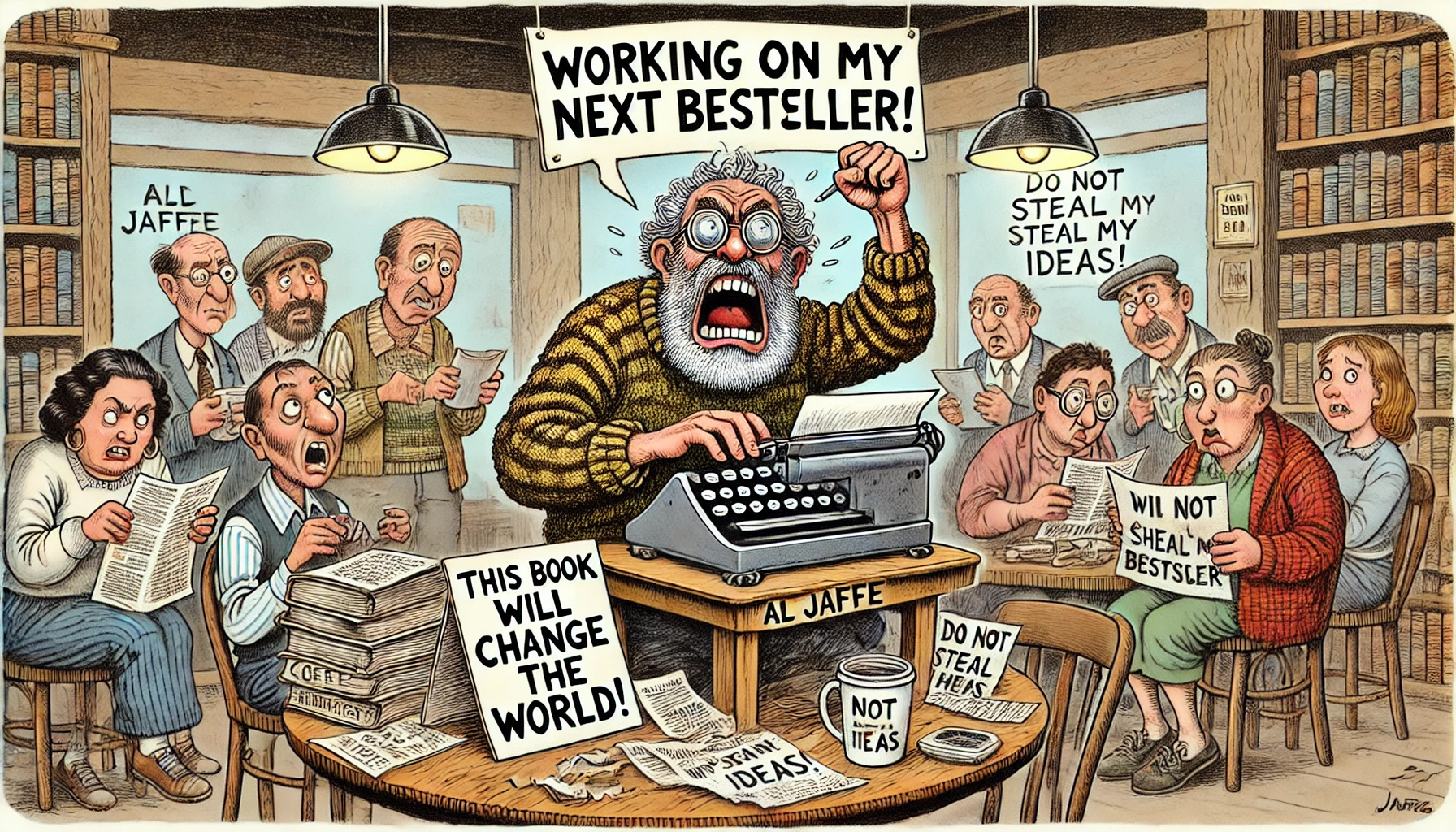
Bad Books Solve Themselves
Let the Market Decide – Not Everyone Gets to Be Hemingway
They blame society, not their bad writing.
It’s never, “Maybe I wrote a terrible book.” No, it’s always, “Society just doesn’t understand my genius.” If society is that dense, maybe it doesn’t deserve your vampire-romance self-help cookbook.
Their marketing plan is basically vibes and hope.
Most of these authors promote their book by telling five friends and then waiting for Oprah to call. That’s like opening a taco stand in Antarctica and getting mad at the penguins for not showing up.
They think Amazon algorithms are out to get them.
Every time a book flops, the first theory is, “Amazon is suppressing my creativity!” No, Karen, Amazon isn’t suppressing you—it’s just prioritizing the book that people actually want to read.
Trashy books come with delusional sequel plans.
These writers have barely sold five copies, and they’re already working on a seven-book series. Slow down, George R.R. Tolkien. You’ve got five readers—let’s get to six before we talk trilogies.
They call it “misunderstood” instead of “boring.”
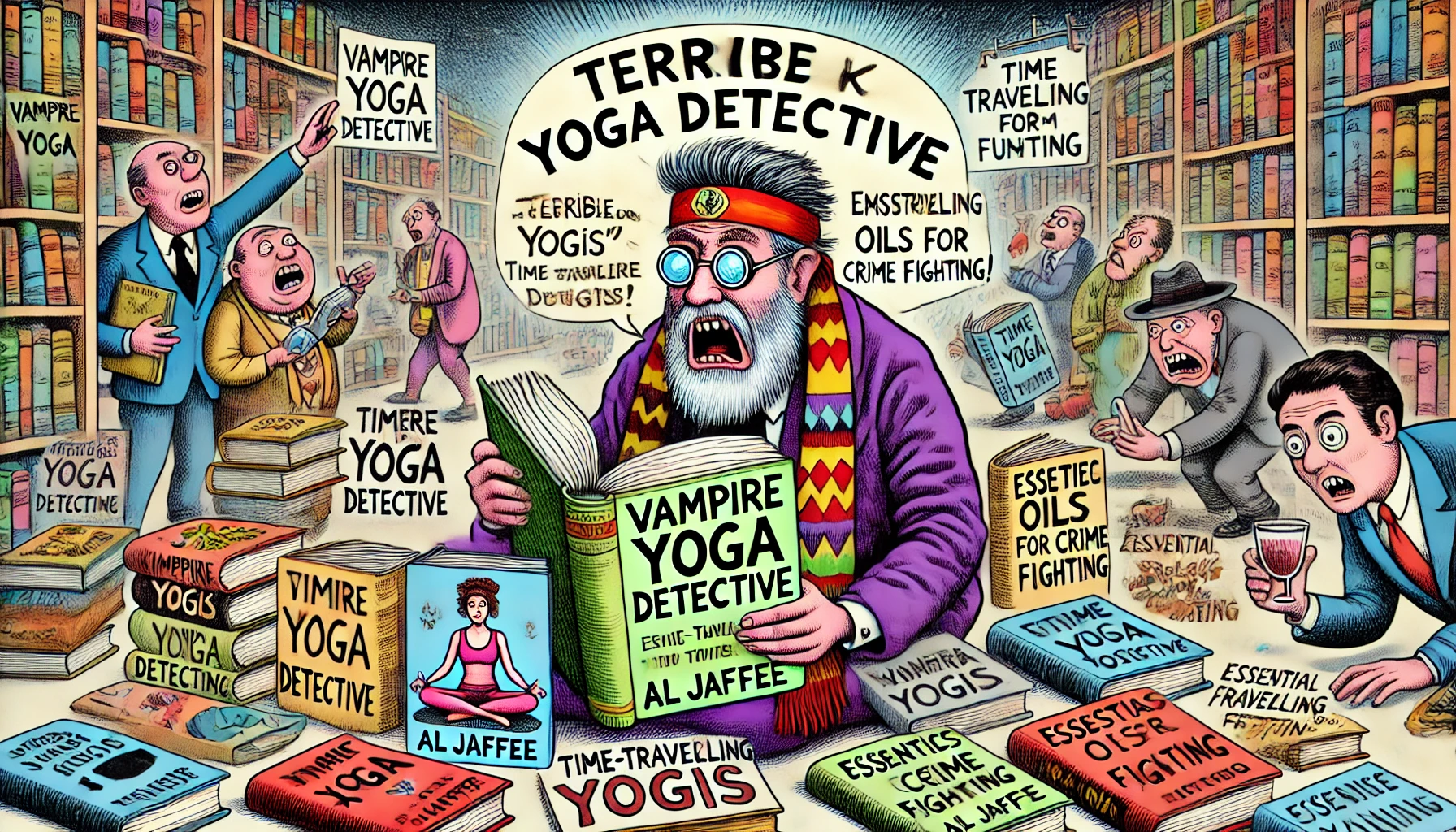
“My book is too complex for the average reader.” No, it’s not. It’s about a time-traveling yoga instructor who solves crimes using essential oils. There’s nothing complex about that—it’s just ridiculous.
They think being rejected makes them heroes.
In their heads, they’re the Van Gogh of literature. Except Van Gogh had talent… and didn’t have Twitter to whine about it.
Every critic is “jealous” or “out to get them.”
Somehow, every negative review is a vast conspiracy. “The New York Times hates me because they’re afraid of my raw talent.” Sure. Or maybe your book just reads like it was written by a sleep-deprived squirrel.
Their book covers are absolute disasters.
Why does every bad book have a cover that looks like it was designed on Microsoft Paint by a 12-year-old? If your cover screams “college project,” don’t blame the market when it flops.
They think self-publishing makes them rebels.
“I’m going to bypass traditional publishers and release this masterpiece myself!” That’s fine, but if no one buys it, maybe those publishers knew something you didn’t.
They assume readers owe them something.
It’s not enough to write a book—they expect the public to automatically shower them with praise and money. “I gave you the gift of my words. Why aren’t you worshipping me?”
Social media outrage is their marketing strategy.
Step 1: Write a terrible book.
Step 2: Complain on Twitter that no one’s buying it.
Step 3: Call everyone who disagrees a “hater.”
Step 4: Profit! (Except, there’s no profit.)
They overestimate how interesting their lives are.
Not everyone’s memoir needs to be published. “Here’s the story of my spiritual awakening in Bali.” No thanks, Chad. We’ve already heard it… twice… from better writers.
Their definition of “art” is suspiciously convenient.
If your book doesn’t sell, it’s suddenly “art that challenges the mainstream.” But if it does sell? “Finally, the world understands me!” Pick a lane.
They compare themselves to Hemingway after one blog post.
One mediocre blog post and suddenly they’re waiting for the Nobel Prize in Literature. “I’m just like Hemingway!” Sure, if Hemingway had an Etsy store and wrote vampire erotica.
They act like capitalism is the villain.
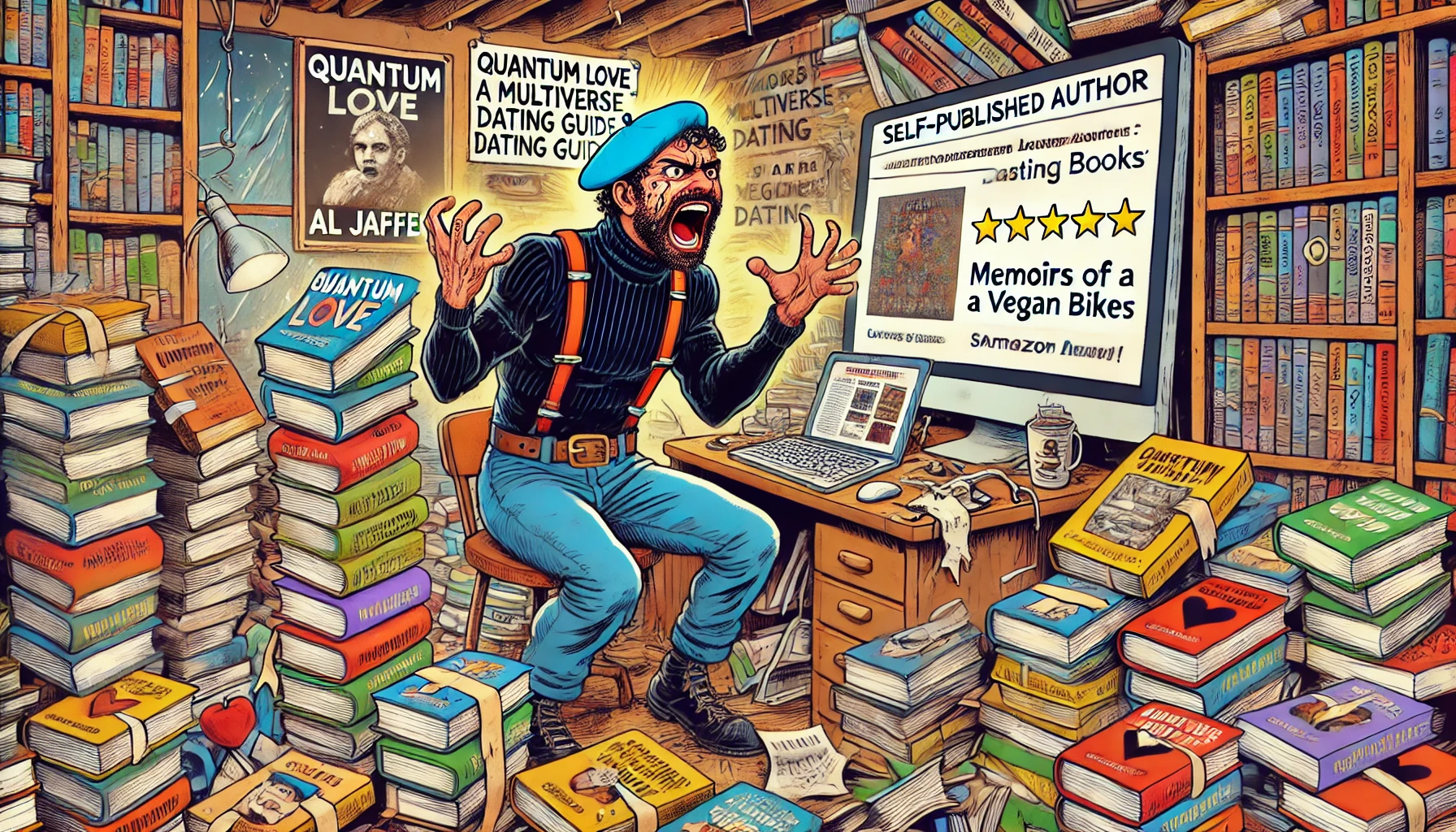
“My book didn’t sell because capitalism is corrupt!” Actually, it didn’t sell because no one wanted to read “Quantum Love: A Multiverse Dating Guide.”