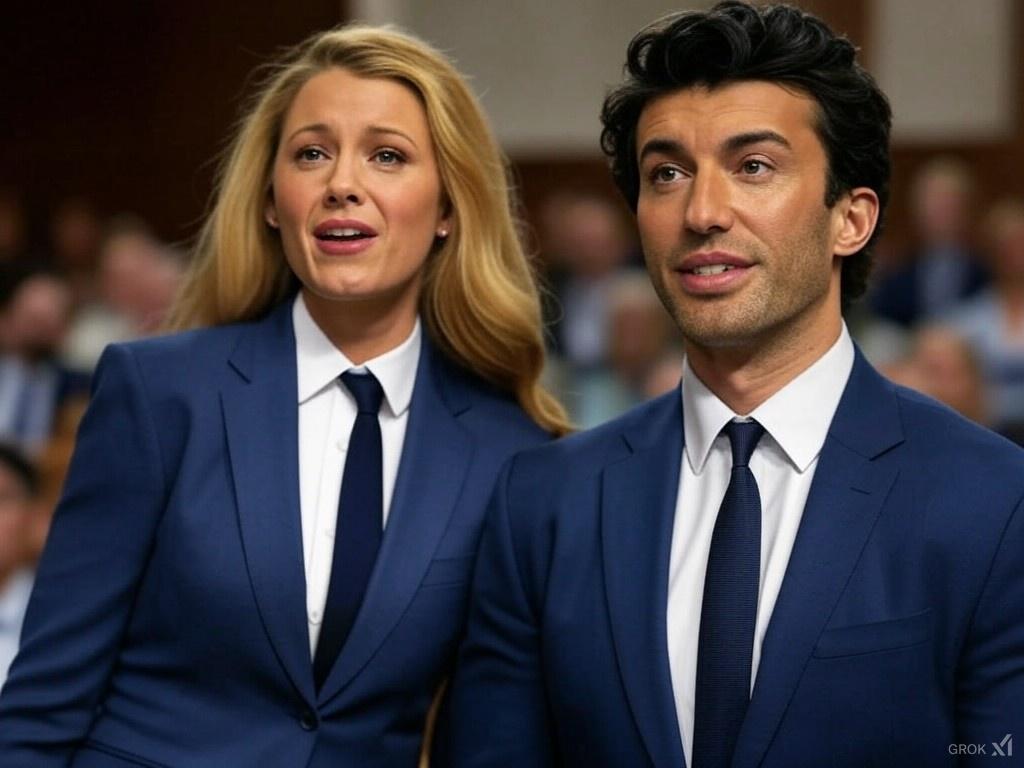
The Lawsuit That Ends With Us: Blake Lively and Justin Baldoni’s Movie Drama Hits the Courts
From Page to Screen to Subpoenas
Colleen Hoover’s Bestseller Gets a Legal Twist
Hollywood thrives on drama, both on and off the screen, and the saga of It Ends With Us is no exception. The highly anticipated adaptation of Colleen Hoover’s bestselling novel promised romance, heartbreak, and emotional depth. Instead, it has delivered headlines about lawsuits, casting controversies, and what might be the first legal ruling on whether Hollywood can butcher the “vibe” of a book.
If lawsuits were part of the Oscars, this adaptation would already be a frontrunner for Best Legal Drama. — Kenneth Turan
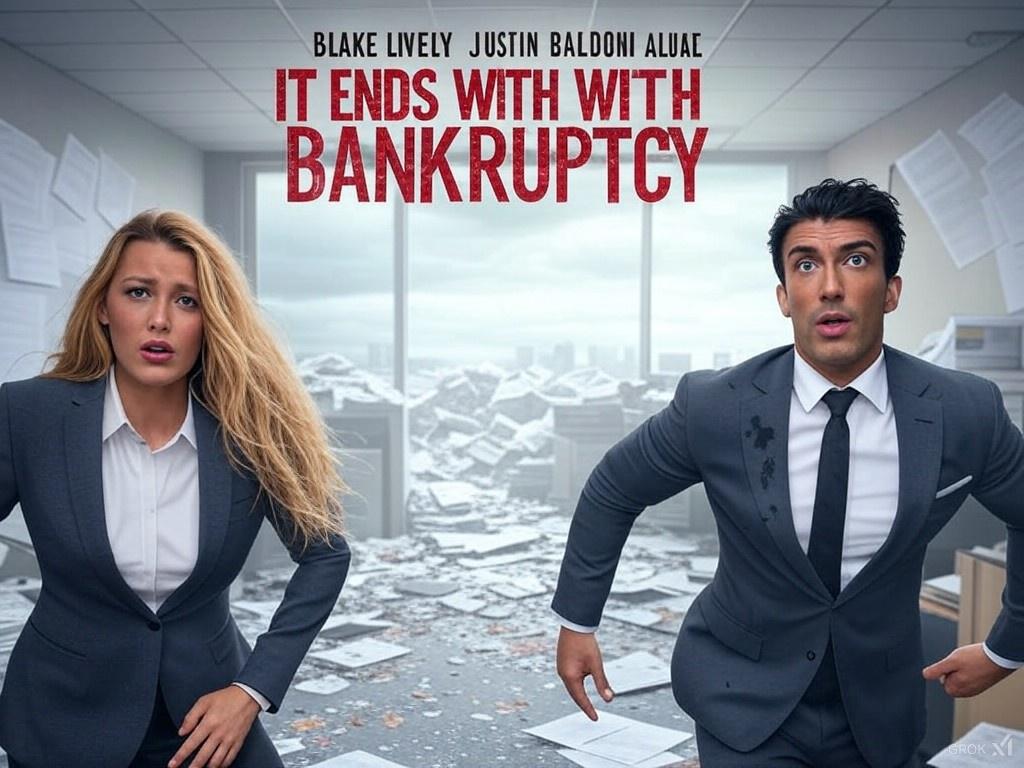
It Ends With Bankruptcy: Hollywood’s Bold Rebranding
In a move that shocked absolutely no one, the title of the much-maligned adaptation It Ends With Us has reportedly been changed to It Ends With Bankruptcy. This stunning pivot comes as lawsuits, social media backlash, and enough bad reviews to fill a library have turned the film into a masterclass in how not to adapt a book.
Producers insist the new title is a bold, artistic choice reflecting the movie’s “realistic tone.” But insiders whisper it might also reflect the production’s legal bills and a box office projection lower than a Hallmark Channel rerun. One executive, speaking anonymously, admitted, “We knew the adaptation was rough, but we didn’t expect to be explaining ‘vibe copyright’ to a judge.”
Blake Lively, unfazed as ever, allegedly responded to the rebranding with a shrug and her trademark, “Another day, another drama.” Justin Baldoni, meanwhile, is reportedly reworking his next project, tentatively titled They Loved the Book, They Hated the Movie.
Fans have embraced the change with their usual blend of sarcasm and memes. One tweet read, “Finally, a title that captures the emotional devastation of watching this adaptation.” Perhaps It Ends With Bankruptcy isn’t just a title—it’s a prophecy.
When a Bestseller Becomes a Best-Sued
The trouble started when fans of the book saw the first trailer. Blake Lively’s portrayal of a 23-year-old Lily Bloom sparked immediate backlash. Twitter exploded with comments like, “Lively is great, but did Lily time travel to her 30s?” While Lively’s golden locks and charisma are undeniable, critics wondered if she was cast for the role or simply to boost the film’s box office appeal. Late-night comedian Jimmy Kimmel observed, “Casting Blake Lively as a 23-year-old is bold. What’s next? De-aging Morgan Freeman for a teen rom-com?”
The lawsuit, however, goes beyond casting. A group of fans claims the movie violates the emotional integrity of the book. In court filings, they argue that the adaptation reduces the nuanced characters to caricatures. One disgruntled fan lamented, “They turned Lily into a rom-com stereotype. What’s next? A laugh track?”
Evidence of the outcry isn’t just anecdotal. Google Trends data shows a 400% increase in searches for “worst book-to-movie adaptations” after the trailer dropped. Meanwhile, online petitions demanding the movie be reshot have garnered over 100,000 signatures, and several YouTubers have dedicated hours to dissecting what went wrong.
Justin Baldoni: Director, Actor, Defendant?
Justin Baldoni, who directed and stars as Ryle Kincaid, has found himself at the center of the controversy. Fans accuse him of misunderstanding the source material, with one reviewer noting, “Baldoni’s Ryle feels more like a Hallmark Channel dad than the complex, troubled character from the book.” Others criticized his dual role as director and lead actor, with comedian John Mulaney quipping, “Maybe if Baldoni spent less time in front of the camera, the script wouldn’t feel like it was written during a coffee break.”
Despite the criticism, Baldoni has defended his vision, claiming his adaptation is “more accessible for wider audiences.” Fans countered by pointing out that “accessible” apparently means “removing the book’s emotional depth and replacing it with montages of people staring longingly into the distance.”
Rotten Tomatoes reviews for the trailer hover at an abysmal 25% audience approval. Social media hashtags like #NotMyLily and #RyleRuined trended for days. Even Colleen Hoover’s fan forums have been inundated with threads dissecting Baldoni’s choices, with some fans suggesting Hoover herself should sue for emotional damages.
The Lawsuit Heard ‘Round the Internet
The lawsuit filed against the production team hinges on an unusual claim: the movie fails to capture the “vibe” of the novel. Legal experts are scratching their heads over whether a “vibe” can be copyrighted, but that hasn’t stopped fans from rallying behind the plaintiffs. Comedian Trevor Noah joked, “If vibes are protected by law, then rom-coms are doomed because none of them have had good vibes since the ‘90s.”
Blake Lively, meanwhile, has remained unbothered by the chaos. When asked about the lawsuit during a press junket, she reportedly replied, “Another day, another drama,” while adjusting her designer dress. Fans interpreted this as both a flex and a dismissal, though it has only added fuel to the controversy.
The courtroom drama is unprecedented. Lawyers for the plaintiffs presented side-by-side comparisons of key scenes from the book and the trailer, arguing that the movie lacks the emotional resonance that made the novel a bestseller. Stephen Colbert joked, “Imagine explaining to a judge that your client is suing because a movie didn’t make them cry enough.”
Is Hollywood Listening?
While lawsuits over creative differences are rare, the It Ends With Us case may set a new precedent. If nothing else, it highlights the growing tension between fandoms and Hollywood’s commercial priorities. Studios are increasingly finding themselves at odds with audiences who demand fidelity to beloved source material. Comedian Chelsea Handler noted, “Maybe Hollywood should start reading the books before buying the rights. Just a thought.”
A recent survey revealed that 67% of readers believe most book-to-film adaptations fail to capture the essence of the original story. Industry insiders are reportedly rethinking their approach to fan-driven properties. One anonymous producer admitted, “The backlash to It Ends With Us has us re-evaluating our entire slate. Nobody wants to be the next lawsuit.”
What Happens Next?
As the lawsuit unfolds, fans and critics alike are watching closely. Whether or not the plaintiffs succeed, the case has already become a cautionary tale for Hollywood. Meanwhile, Blake Lively and Justin Baldoni continue their promotional tour, seemingly unfazed by the storm around them.
Colleen Hoover’s novel, which sold millions of copies and inspired a devoted fanbase, may have deserved better. For now, the drama off-screen rivals anything in the book’s pages, proving that in Hollywood, even love stories can end with lawsuits.
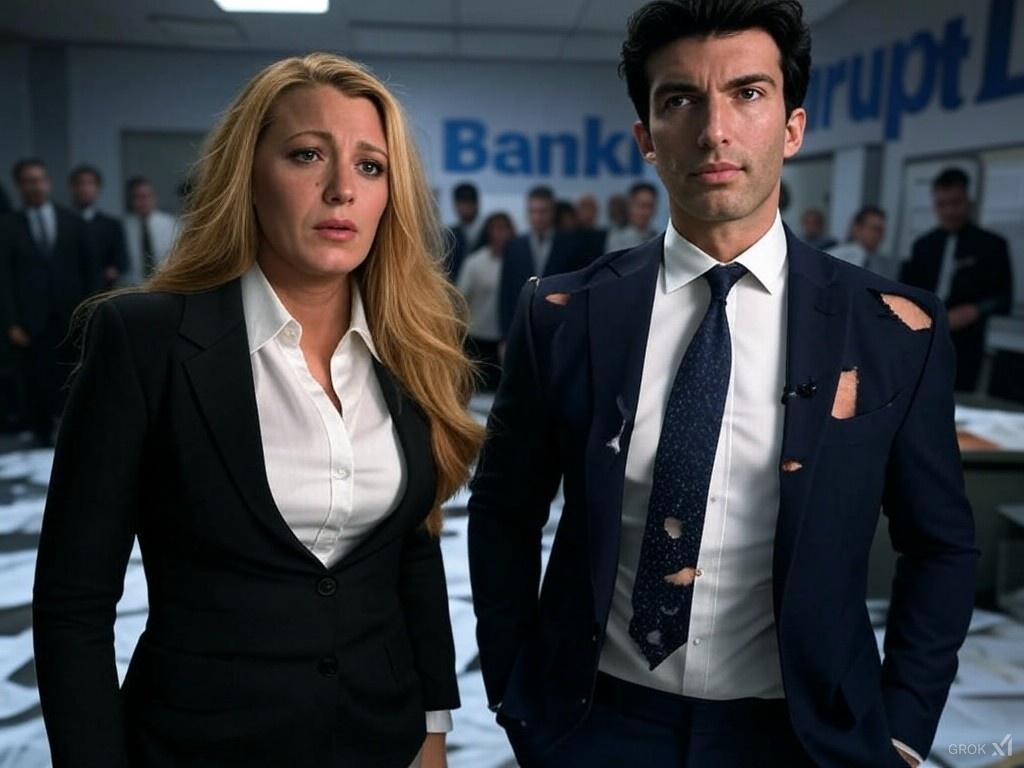
Blake Lively and Justin Baldoni
Here are 15 observations inspired by the article:
- Blake Lively and Justin Baldoni are making waves, but who knew a rom-com could also come with a lawsuit subplot?
- When your romance novel adaptation ends with a legal battle, you know Hollywood has gone full meta.
- Apparently, the title It Ends With Us wasn’t just about the plot—it was also a warning about the production team.
- Casting Blake Lively as a 23-year-old was bold, but Hollywood loves its “youthful” leads in their mid-thirties.
- Imagine pitching a love story and being handed a cease-and-desist letter instead of a greenlight.
- Justin Baldoni directed the movie, but now he might need a lawyer to direct the court proceedings.
- The lawsuit’s main claim: It Ends With Us failed to adapt the “vibe” of the book. Next up, a court ruling on whether vibes are legally binding.
- Blake Lively was reportedly unfazed by the lawsuit—she just said, “Another day, another drama.”
- Someone call Colleen Hoover and let her know her book has become both a film and a courtroom thriller.
- Critics are divided on whether the real drama is the love triangle or the legal triangle between producers.
- If lawsuits were part of the Oscars, this adaptation would already be a frontrunner for Best Legal Drama.
- The New York Times said the movie missed the book’s emotional core. Fans are suing because it missed everything else.
- Blake Lively’s dress in the trailer broke the internet; the lawsuit might break her patience.
- Colleen Hoover’s novel sold millions, but apparently, it didn’t prepare Hollywood for the drama of adapting it.
- In Hollywood, they say all press is good press. But lawsuits? That’s a new marketing strategy.