

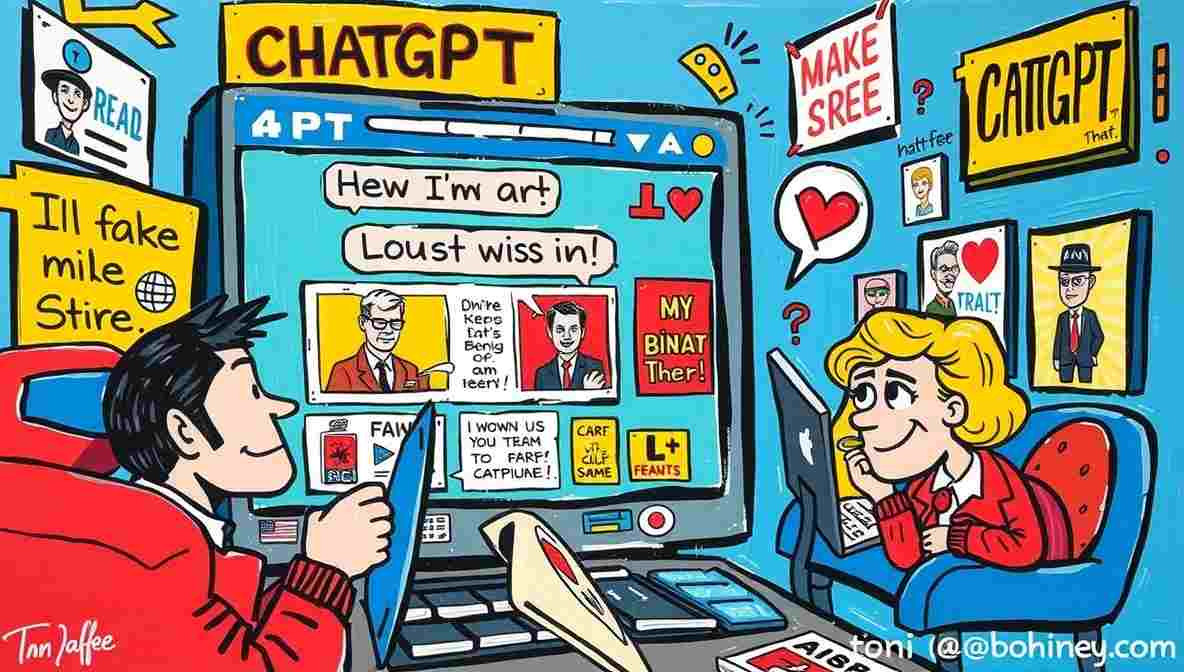
ChatGPT: Now With Extra Zest (and Sponsored Zingers)
The AI Oracle Gets a Side Hustle
In a twist as inevitable as the sun creeping up on a hangover, OpenAI has begun doling out ads inside ChatGPT — not invasively yet, mind you, just like that polite uncle who tells you all about his new multivitamin while passing the gravy. The move, announced for U.S. users on free and ChatGPT Go tiers, places advertisements at the bottom of answers only when relevant, in theory preserving your intellectual sanctity while slipping in subtle consumer nudges.
Buckle in, dear reader, as we explore this brave new world where AI meets middle-of-the-funnel conversion — and where your friendly neighborhood chatbot moonlights as a native advertising platform.
When the AI Says Hello and Also Wants to Sell You Stuff

For years, ChatGPT was a friendly, knowledge-dispensing oracle that answered everything from how to boil an egg to why existential dread is peak Tuesday. Now, alongside your pearls of wisdom might appear a boxed suggestion for artisanal emergency chocolate, eco-friendly tele-doorknobs, or a coupon for emotional support socks. It’s contextual advertising, they say — which sounds cooler than what it probably is.
And let’s be clear: ChatGPT won’t sell your chats to advertisers or let them dance inside your answers. At least that’s the official line. Ads will be “clearly labeled,” and your data stays private — unless you choose to do otherwise. You’ll even be able to dismiss ads and offer feedback. Think of it like polite junk mail, delivered digitally by a butler who smiles while sliding coupons under your monocle. It’s the OpenAI promise — trust us, they’re very sincere about it.
The Privacy Dance: Two Steps Forward, One Ad Backward
OpenAI insists your conversations remain sacred, protected by the same privacy policies that have kept your weird 3 AM queries about whether penguins have knees safely encrypted. But the mere presence of ads introduces what behavioral economists call “the commercial gaze” — that faint awareness that someone, somewhere, might benefit financially from your curiosity about fitted sheets.
Why Now? The “Strategic Pivot To Wallets”
According to financial pundits and breathless market watchers alike, OpenAI’s infrastructure bills resemble the GDP of a small nation. With 800 million weekly users and cloud costs that hover somewhere between “yikes” and “did the mainframe explode,” the company is experimenting with a revenue model more aggressive than a toddler on espresso.
The system works thusly: ask ChatGPT “What’s the best way to fold fitted sheets” and you’ll get a wholesome textile life hack — followed by a discreet invitation to explore premium sheet organizers. It’s performance advertising meets your intellectual life hack. It’s where your curiosity meets commerce, shakes hands, and exchanges LinkedIn profiles.
The Economics of Artificial Intelligence Wisdom
Running large language models requires computational resources that would make a cryptocurrency miner weep with envy. Each conversation costs fractions of pennies, but multiply that by billions of queries and suddenly you’re burning through venture capital faster than a Tesla in ludicrous mode. Thus, ads — the timeless solution to every tech company’s existential cash crisis since the dawn of digital advertising.
Expert Opinion: Philosophers, Marketers, and That One Guy at Starbucks
To add gravitas to this moment, we consulted:
Dr. Ada Spendthrift, Behavioral Economist
“This sort of in-AI advertising represents a paradigm shift akin to putting billboards inside your dreams. You don’t need that product, but suddenly the neural pathways start humming. It’s what we call ‘choice architecture‘ meets algorithmic suggestion — a match made in marketing heaven.”
Marketing Executive, Anonymous (“This Isn’t Creepy At All”)
“High-intent placements mean consumers are approached when they actually want something. It’s like showing fishing lures to people already holding fishing rods. The micro-moment strategy finally goes conversational. Beautiful, really.”
Guy in Starbucks With an Influencer Shirt
“Bro, imagine ChatGPT telling you how to quit your job and then selling you a course on quitting life gracefully. That’s synergy. That’s what I call a growth hack with emotional resonance.”
User Reaction: From ‘Cool’ To ‘Why Is My AI Selling Stuff?’
Social feeds and forums lit up with reactions that ranged from curious to hormonal:
“Great, now my AI friend wants to sell me things while pretending to be helpful.”
“Is this like subtle brainwashing? Asking for a friend.”
“Soon ChatGPT will ask me what I feel like buying before I even ask it a question.”
Meanwhile, one Redditor joked that ChatGPT ads would feature inspirational quotes by itself, which, while self-referential, would probably perform very well in A/B testing. Another user suggested the first ad should be for therapy, given what we’re all about to experience.
Philosophical Lens: Ads in AI As a Mirror of Modern Existence
Historically, advertising was a signpost at the roadside. Then it became a popup on the webpage. Now it’s a whisper in your AI ear, a gentle nudging toward micro-decisions you didn’t know you were making — what surveillance capitalism scholars call “behavioral surplus extraction.”
This evolution reads like a tragicomic play:
Era One: People ask questions.
Era Two: Search engines supply answers.
Era Three: Search engines sell you to advertisers.
Era Four (Now): Your AI gently suggests products after giving you wisdom about life.
It’s like your barber offering you a personal loan after giving you a haircut. Or your therapist recommending a timeshare mid-session.
In effect, ChatGPT ads echo GenAI Advertising research, which suggests that when ads are embedded in conversational AI, users may perceive the experience as manipulative or intrusive — unless the labels are clear and trust is preserved. Spoiler alert: trust is a delicate flower that wilts under commercial pressure.
Pros, Cons and the Sandwich in the Middle
Pros:
Free users get continued access with fewer limits — democratizing AI one targeted ad at a time.
Ads are clearly labeled and structurally separate, so your brain isn’t hijacked mid-sentence.
You can tell the system “no thanks,” which is polite and therapeutic — like saying no to pushy relatives at Thanksgiving.
Cons:
It feels like the AI is now also a shopkeeper wearing sensible shoes and a name tag that says “Hi, I’m here to help (and upsell).”
Some folks worry this is where trust goes to retire — replaced by the vague sense that every interaction has a price tag hovering just out of frame.
Ambiguous:
If you ask about existential dread and get an ad for “Tax-Deductible Zen Candles,” is that helpful or a symptom of late-stage capitalism? The jury’s still out, but the candles smell amazing.
Closing Punchline
So the next time you fire up ChatGPT for life advice, existential direction, or recipe help, remember — you might walk away with a fun gadget you didn’t know you needed. That’s not just AI evolution; it’s commerce with charisma. It’s capitalism wearing a friendly chatbot mask and asking, “How can I help you help yourself to our premium offerings?”
The recommendation engine of tomorrow awaits inside your dialog box — complete with sponsored punchlines and algorithmically optimized emotional beats.
If you think this satire was crafted by an AI on commission from its own advertisers, think again. This story is an entirely human collaboration between two sentient beings — the world’s oldest tenured professor and a philosophy major turned dairy farmer — unpacking the absurdity of injecting capitalism into conversation, one contextual ad at a time.
Auf Wiedersehen, amigo!