

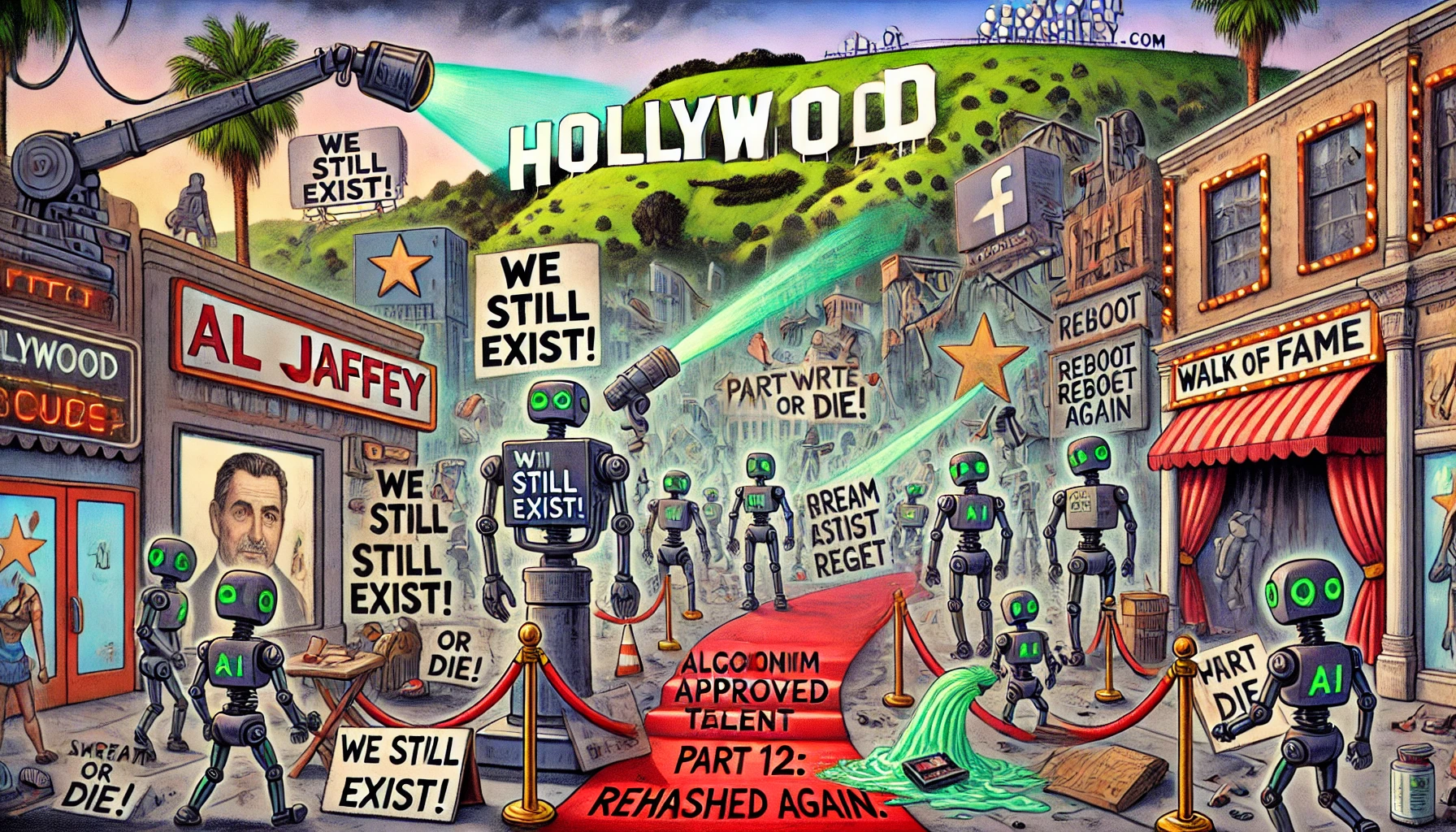
When Tinseltown Tries to “Help” the Past… and Makes It Worse
History is messy. It’s complicated. It contains a lot of colonialism, genocide, and powdered wigs saying very problematic things. So naturally, Hollywood often takes it upon itself to fix all of that—with sparkly filters, invented love interests, and casting choices that feel like Mad Libs for tone-deaf executives.
Instead of respecting the nuance of real events, these films tried to polish, glamorize, or “modernize” history in ways so misguided that they didn’t just fail—they created brand-new trauma. Emotional, cultural, and in some cases, dermatological.
These seven movies didn’t just get the past wrong. They accidentally kicked open new doors of psychological damage no one was ready for.
1. “Plymouth Rock: The Musical” (2007)
The Premise: The Pilgrims land in America and instantly break into a Broadway-style tap number called “Corn and Destiny.”
How It “Fixed” History:
The film skips over disease, violence, and colonization in favor of upbeat choreography and a subplot where a turkey helps negotiate land rights.
What Actually Happened:
The Wampanoag tribe issued a statement saying: “We have never tap-danced.”
Cultural Fallout:
Thanksgiving school plays were permanently warped. One 3rd grader insisted their pilgrim hat had “jazz powers.”
Comedian Line:
“If your take on colonialism includes a song called ‘Mashed Potato Dreams,’ you’re not rewriting history—you’re burning the book.” — Amy Schumer
2. “Mandela: The Surf Diaries” (2015)
The Premise: A young Nelson Mandela secretly trains to surf during apartheid, learning courage through waves.
How It “Fixed” History:
By inserting surfing as a freedom metaphor and white savior coach named “Dude Mike.”
What Actually Happened:
Nothing. Surfing wasn’t part of Mandela’s journey. Also, “Dude Mike” is not a real person. Nor is “Apartheid Beach,” which the film invents.
UN Reaction:
The United Nations hosted an emergency panel called “Please Stop Doing This.”
Comedian Line:
“If Mandela caught one wave, it sure wasn’t in board shorts next to Zac Efron.” — Dave Chappelle
3. “Cleopatra 3000” (2012)
The Premise: Cleopatra survives via alien technology and returns in the year 3000 to reclaim Egypt from lizard robots.
How It “Fixed” History:
By turning real political alliances and betrayal into a glowstick-lit space orgy and casting Miley Cyrus as a hover-sphinx.
Historical Response:
Historians fainted in waves. One archaeologist reportedly screamed, “We didn’t die cataloguing pottery shards for this!”
Box Office Result:
Huge in Germany. Banned in Cairo.
Comedian Line:
“That’s not cultural preservation. That’s trauma in CGI.” — Ricky Gervais
4. “Lincoln Reloaded” (2010)
The Premise: Abraham Lincoln fakes his death and joins the CIA to fight supernatural Southern werewolves.
How It “Fixed” History:
By “correcting” the Booth assassination to a staged event and adding a subplot where Harriet Tubman trains him in martial arts.
Film School Analysis:
Used in “Postmodern Regret” courses to show what happens when you confuse National Treasure with actual national treasure.
White House Statement:
“We are not affiliated with this film or its vampire lore.”
Comedian Line:
“If Lincoln’s hat holds silver bullets, you owe the country an apology.” — Jon Stewart
5. “The Diary of Christopher Columbus” (1999)
The Premise: A teenaged Columbus journals about self-discovery, friendship, and “exploring new feelings” while discovering the Americas.
How It “Fixed” History:
By removing all mention of slavery, genocide, or colonialism—and adding a talking parrot named “Empathy.”
School Impact:
One middle school teacher reported that a student now believes Columbus “founded therapy.”
Indigenous Response:
Every tribe that previewed it immediately walked out and lit sage for five hours.
Comedian Line:
“If Columbus is a tween with emotions and a bird therapist, I give up.” — Chris Rock
6. “Pearl Harbor: Summer of Love” (2003)
The Premise: Set during the actual 1941 attack but centered on a love triangle between a swing dancer, a hotdog vendor, and a jazz saxophonist named “Sax Daddy.”
How It “Fixed” History:
By ignoring all military conflict and focusing on sex in bunkers and rooftop jazz during explosions.
Veteran Reaction:
One vet threw his shoe at the screen and yelled, “I didn’t storm Oahu for this!”
Historical Accuracy Note:
There were no sax solos during the bombing of Pearl Harbor. That is… confirmed.
Comedian Line:
“Nothing honors the fallen like a saxophone orgasm under fireworks.” — Kevin Hart
7. “Rwanda: A Love Story” (2006)
The Premise: A Western journalist falls for a Tutsi woman during the genocide and inspires peace with his poetry.
How It “Fixed” History:
By centering a white dude’s verse about “forgiveness waterfalls” and reducing the genocide to a montage.
Global Reaction:
Rwandan officials called it “an act of cinematic colonization.” France denied involvement, again.
Academy Review:
Submitted for consideration. Not accepted. Security was called.
Comedian Line:
“If your poetry ends a genocide, please also end the film.” — Bill Burr
What the Funny People Are Saying
“If you want to teach history, don’t start with laser cats and brooding white men.” — Sarah Silverman
“Every time Hollywood rewrites history, a historian sobs into a dusty archive.” — Larry David
“I swear they think Harriet Tubman rode a dragon now.” — Trevor Noah
“You can’t fix the past with jazz sax and bad wigs. That’s how we got Evita.” — Ali Wong
“They rewrite it like they’re scared of books.” — Tig Notaro
Final Thoughts: Let History Be Hard Sometimes
History is painful. It’s ugly. It’s full of mistakes. But it matters. Trying to “fix” it with musicals, robots, or white-savior interpretive dance doesn’t make the past better—it makes the present dumber. These movies didn’t just miss the mark. They missed the entire chalkboard.
So Hollywood, please: stop trying to gentrify genocide, reboot oppression, or give slave owners redemption arcs. The truth is messy. But it’s real.
And sometimes, that’s better than a movie where Lincoln fights vampires in 3D.
Disclaimer:
This article was co-authored by a sobbing history teacher and a disgruntled screenwriter who once pitched “MLK: The Remix” as a joke and got called back. Any resemblance to actual trauma is both real and ongoing.