

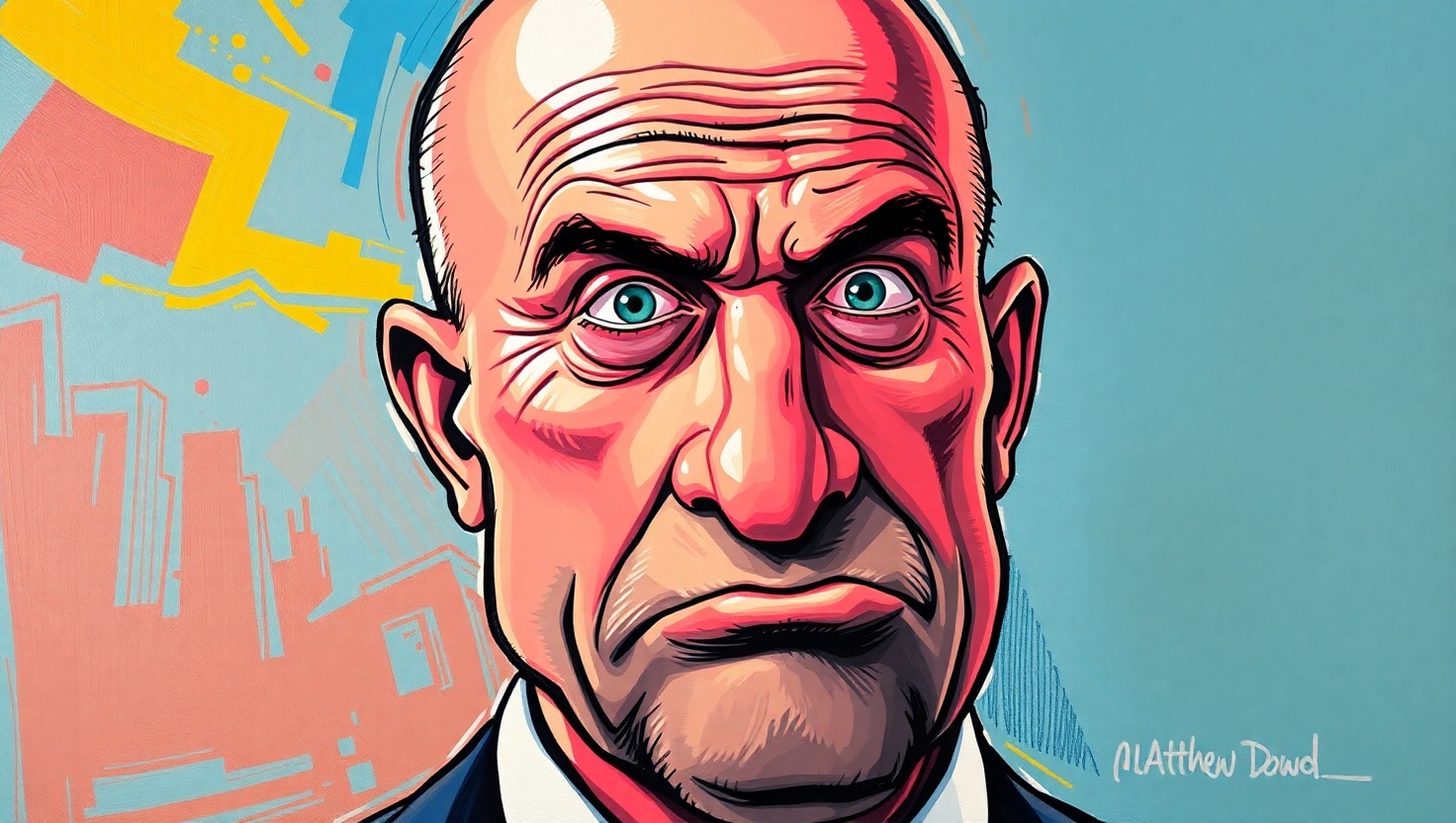
Matthew Dowd: The Left-Wing Lightning Rod Who Just Won’t Quit
The Rise of Dowd: From Political Analyst to Punchline
Matthew Dowd, once a respected political analyst at MSNBC, has transformed into a satirical sensation. His recent comments about the tragic shooting of conservative activist Charlie Kirk have not only cost him his job but have also made him the subject of ridicule across the political spectrum.
Dowd’s assertion that “hateful thoughts lead to hateful words, which then lead to hateful actions” was made before the full details of the incident were known. While his intention may have been to discuss the broader climate of political discourse, the timing and content of his remarks were widely criticized. MSNBC swiftly terminated his contract, and Dowd now claims he was targeted by a “Right Wing media mob” The Daily Beast.
The “Right Wing Mob” and the Irony of Cancel Culture
In his defense, Dowd argues that his firing was the result of pressure from a right-wing media mob. This accusation is rich with irony, considering that the very forces he now decries are the same ones he once aligned with. Dowd’s transformation from a political strategist to a martyr for free speech is a testament to the unpredictable nature of political allegiances.
The situation underscores the complexities of cancel culture. While Dowd’s comments were controversial, the swift and severe response from MSNBC raises questions about the extent to which media organizations are influenced by external pressures. This incident serves as a reminder of the fine line between holding individuals accountable for their words and succumbing to mob mentality.
The Hypocrisy of Free Speech Advocates
The backlash against Dowd’s comments has been swift and unforgiving. However, this reaction highlights a broader issue: the selective application of free speech principles. Many who champion free speech have been quick to silence dissenting voices, demonstrating a double standard that undermines the very values they purport to uphold.
This hypocrisy is not new. Throughout history, individuals and groups have been quick to suppress opposing viewpoints while claiming to defend free expression. Dowd’s situation is a modern example of this age-old dilemma, where the defense of free speech often depends on whose speech is being defended.
The Role of Media in Shaping Public Discourse
The media plays a pivotal role in shaping public discourse. Dowd’s firing by MSNBC illustrates how media organizations can influence the narrative by choosing who gets to speak and who doesn’t. This power is not without consequences, as it can lead to the marginalization of certain viewpoints and the amplification of others.
The incident also raises questions about journalistic integrity. In an era where media outlets are increasingly beholden to corporate interests and political affiliations, the line between objective reporting and ideological bias becomes increasingly blurred. Dowd’s firing serves as a case study in the challenges facing modern journalism.
The Broader Implications
Dowd’s ousting from MSNBC is more than just a personal setback; it is a reflection of the broader polarization in American politics. The incident underscores the challenges of navigating a media landscape where ideological purity often trumps nuanced discussion. It also highlights the dangers of a culture that prioritizes conformity over critical thinking.
The broader implications of this event are still unfolding. As the public continues to grapple with issues of free speech, media influence, and political polarization, Dowd’s case serves as a cautionary tale about the complexities of modern discourse.
Conclusion
Matthew Dowd’s journey from political analyst to satirical figure is a testament to the unpredictable nature of public life. His comments about Charlie Kirk, while controversial, have sparked a broader conversation about free speech, media influence, and the state of political discourse in America. Whether one agrees with Dowd’s views or not, his situation serves as a reminder of the complexities and contradictions inherent in our public conversations.
Disclaimer: This article is a satirical commentary on recent events involving Matthew Dowd and does not reflect the actual views or opinions of the author.
