

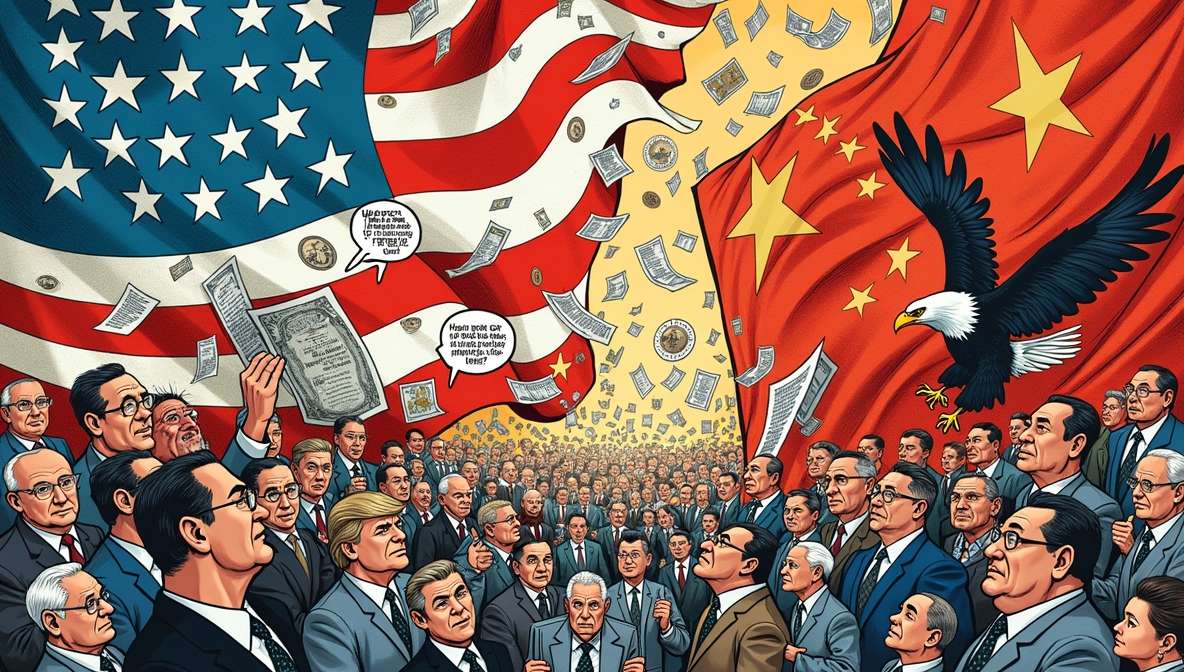
Diplomacy, Delusion, and the Status Quo
America Considers a “Grand Bargain” With China, Immediately Argues About What That Means
Foreign policy experts are once again discussing the possibility of a “grand bargain” between the United States and China, a phrase so ambitious it arrives preloaded with disappointment.
The idea, floated in serious journals and think-tank panels, suggests that the two superpowers could negotiate a comprehensive agreement addressing trade, security, technology, and global stability. Optimists call it visionary. Skeptics call it adorable.

Policy veterans explain that a grand bargain would require trust, compromise, and long-term thinking. Observers noted these are not currently trending. One former diplomat said, “A grand bargain sounds great, but first both sides would need to agree on what reality is.”
American commentators debated whether such a deal would signal strength or weakness. Cable news segments framed it as either genius diplomacy or surrender, sometimes within the same sentence. Social media solved it in under six seconds.
Meanwhile, Chinese officials responded with measured statements emphasizing mutual respect and national interests, which analysts translated as “We heard you.”
Economists weighed in, noting that trade tensions, tariffs, and supply chains affect everything from semiconductors to toaster prices. A shopper at Target confirmed this, saying, “I don’t know geopolitics, but my blender costs more.”
Foreign policy scholars stressed that cooperation could benefit global stability. Defense analysts countered that mistrust is the safer emotional position. Both sides nodded grimly.
The White House declined to comment in detail, preferring flexibility. Congress declined to agree on what flexibility means. Allies watched closely, occasionally blinking in Morse code.
The truth is a grand bargain would be complicated, fragile, and politically dangerous. Which explains why it’s discussed constantly and attempted rarely.