

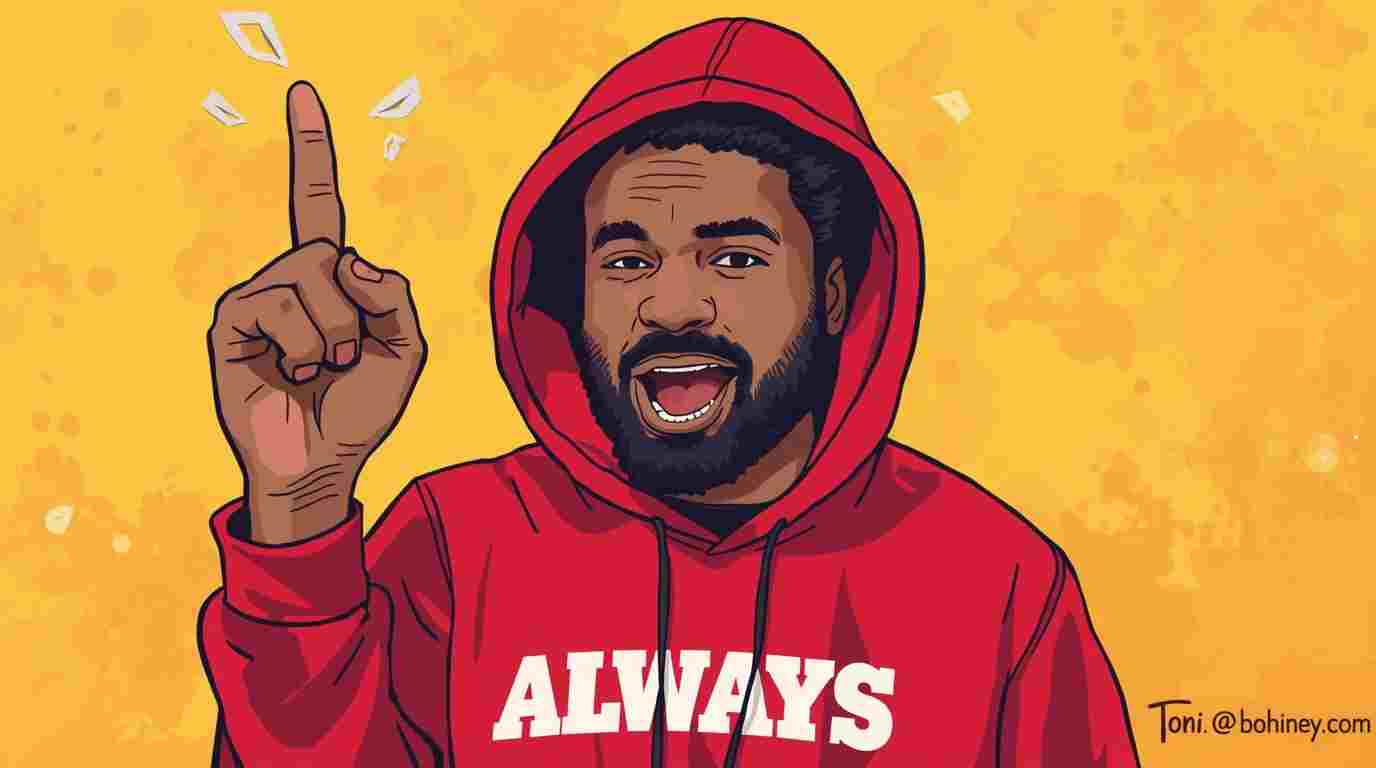
New Democrats Discover Elections Won Entirely Through Hoodie Energy and Immaculate Vibes
Campaign strategists replace polling data with Spotify playlists as political consultants declare “vibe warfare” the future of democracy
In a groundbreaking shift that has left political scientists weeping into their regression analyses, the New Democratic Party has apparently discovered that elections are no longer won through tedious activities like “policy development” or “voter outreach,” but rather through the careful cultivation of what consultants are calling “immaculate vibes” and strategic deployment of athleisure wear.
This revolutionary approach to democratic governance entered the Business Hall of Fame of political incompetence last month when senior campaign strategists were spotted replacing voter demographic maps with mood boards featuring succulents, neon lighting, and inspirational quotes from canceled celebrities. The shift represents a fundamental reimagining of electoral politics—one where the quality of your playlist matters more than your platform, and where zip-up hoodies have become the official uniform of serious political discourse.
The Hoodie Doctrine: When Outerwear Becomes Electoral Strategy
Democratic campaign strategists have embraced what insiders are calling “The Hoodie Doctrine”—a revolutionary theory suggesting that voter turnout rises in direct proportion to how cozy the strategist looks in layered outerwear. Campaign headquarters now feature mandatory zip-up requirements, with senior consultants conducting focus groups while wrapped in North Face fleece like electoral burritos.
“We’ve noticed a direct correlation between the softness of our campaign manager’s hoodie and our social media engagement,” explained one anonymous consultant who requested to remain nameless because admitting this publicly might trigger an intervention. “When Kevin wore his vintage Champion hoodie to our strategy meeting, our Instagram likes increased by twelve. Twelve! That’s basically a landslide in vibe metrics.”
Millennials attending these strategy sessions report profound confusion about whether they’re planning a political campaign or organizing a pop-up artisanal coffee shop. Gen Z staffers, meanwhile, simply nod knowingly, having already internalized the reality that substance died somewhere around 2019 and we’re all just vibing through the apocalypse now.
Vibes Over Votes: The Spotify Playlist Theory of Democracy

In what political historians will someday refer to as “the dumbest strategic pivot since New Coke,” Democratic consultants have quietly replaced polling data with carefully curated Spotify playlists labeled “Get Out the Vote—Cool Mix” and “Democracy Slaps (No Cap).”
The logic, such as it exists, suggests that if the beats drop hard enough, turnout numbers will follow suit. Traditional metrics like voter registration drives, door-knocking campaigns, and substantive policy discussions have been deemed “extremely not vibe” and relegated to the dustbin of electoral history alongside phone banks and believing in things.
“Why would we waste time analyzing swing state demographics when we could be perfecting our campaign theme song?” asked one media strategist while adjusting his wireless earbuds for optimal aural aesthetics. “The data clearly shows that voters respond to energy, and energy comes from sick beats, not boring stuff like healthcare access or living wages.”
Campaign Meetings Now Happen in Slack Channels Where Policy Goes to Die
Gone are the days when campaign strategy involved war rooms filled with maps, data analysts, and people who remembered why they got into politics. Modern Democratic campaigns conduct serious policy debates exclusively through Slack channels featuring animated GIFs and threads titled “this energy screams election night” and “is this giving electoral college?”
One leaked Slack conversation from a recent campaign revealed the following exchange:
Campaign Manager: “We need to address the housing crisis.”
Media Consultant: posts GIF of cat falling off table
Campaign Manager: “Kevin, this is serious.”
Media Consultant: “That cat has more viral potential than our affordable housing whitepaper.”
Campaign Manager: leaves channel
Media Consultant: posts another cat GIF
The strategy appears to be working, depending entirely on how one defines “working” and whether one considers complete electoral collapse a form of success.
Kombucha Diplomacy and the Fermented Future of Political Discourse
Democratic media gurus have pioneered what they’re calling “Kombucha Diplomacy”—the groundbreaking theory that handing out fermented tea at polling places generates more voter trust than discussing actual housing policy. The reasoning, explained one consultant between sips of a ginger-turmeric blend, is that gut health vibes naturally transfer to political vibes through a process he described as “basically osmosis but for democracy.”
“Voters don’t want to hear about zoning reform,” he continued, adjusting his sustainably-sourced tote bag. “They want to feel seen. They want to feel understood. They want probiotics. We’re giving them all three, minus the zoning reform because that’s honestly pretty boring and extremely off-brand.”
Focus groups conducted at organic farmers markets have reportedly confirmed that voters are seventeen percent more likely to consider Democratic candidates if offered small-batch kombucha, though the same study noted this correlation disappeared entirely when pollsters asked follow-up questions about actual policy positions.
Retweets Replace Rally Speeches in Post-Literate Politics
In perhaps the most efficient campaign innovation since someone realized you could just lie about everything, Democratic strategists have determined that one well-timed retweet of a cat meme does more for voter engagement than a thousand speeches about tax brackets or economic inequality.
“Why would we invest resources in crafting compelling arguments about progressive taxation when we could just retweet something cute?” asked one communications director who spoke on condition of anonymity because even he recognized how utterly deranged this sounds when said aloud. “Cats are universal. Tax policy is divisive. Do the math.”
The math, it should be noted, does not actually support this conclusion in any measurable way, but metrics are for people who lack vision and probably don’t even have good playlists.
The “Let Vibes Cook” Strategy: Electoral Politics Meets Celebrity Chef Language
Borrowing liberally from culinary influencer culture, Democratic campaigns have embraced the “Let Vibes Cook” strategy—essentially waiting for something good to happen while drinking espresso and watching TikToks. The approach combines magical thinking with aggressive passivity, creating a perfect storm of electoral uselessness.
“We don’t force the vibes,” explained one senior strategist while livestreaming his morning routine for content purposes. “We let them develop naturally, like sourdough starter or a good friendship. You can’t rush authenticity. You can’t manufacture connection. You can, however, buy very expensive hoodies and hope for the best.”
When pressed about whether this constitutes an actual campaign strategy, the strategist became defensive. “This is about energy management and brand positioning in a saturated media landscape,” he insisted. “Also, I’m almost at ten thousand followers, so clearly something is working.”
The “something” in question appears to be his personal brand rather than his candidate’s electoral prospects, but such distinctions have been deemed unhelpfully binary by consultants committed to letting vibes cook.
Campaign Headquarters: Where Start-Up Culture Meets Electoral Delusion
Modern Democratic campaign headquarters look less like political nerve centers and more like Silicon Valley start-ups that pivoted from disrupting transportation to disrupting democracy. Instead of electoral maps and demographic data, walls feature neon mood boards reading “Energy,” “Aesthetic,” and the particularly ambitious “Maybe Try More Neon.”
Strategic planning sessions now occur on beanbag chairs arranged in what one staffer described as “a circle of trust but make it spatial awareness.” Policy discussions have been replaced with brainstorming sessions about “brand activation moments” and “narrative vibes that slap.”
“We’re reimagining what a campaign can be,” declared one digital director while adjusting his standing desk to optimal TikTok filming height. “Politics doesn’t have to be boring spreadsheets and voter contact. It can be fun. It can be aesthetic. It can be a whole mood.”
It can also, apparently, lose elections, though pointing this out has been classified as “toxic energy” and grounds for reassignment to the “Academia Appreciation Corner”—a designated crying zone for staffers who remember when campaigns tried to win.
Millennial Focus Groups Demand Organic Snacks Before Discussing Democracy
In what may represent the apotheosis of generational stereotyping, Democratic campaigns now conduct focus groups that refuse to discuss actual issues until provided with extensive snack bars featuring organic granola, gluten-free options, and at least three varieties of hummus.
“We lost an entire focus group session because the snacks weren’t ethically sourced,” reported one frustrated field organizer. “They spent forty-five minutes discussing supply chain transparency in the chickpea industry instead of evaluating our candidate’s healthcare platform. When I pointed out we were supposed to be discussing Medicare expansion, someone asked if the Medicare was also gluten-free.”
Demographic approval ratings have been found to plummet precipitously when snack offerings fail to meet millennial expectations for moral purity and Instagram-worthiness. One campaign learned this lesson the hard way when they served conventional Doritos at a climate policy focus group and watched their approval ratings among 28-35 year-olds collapse faster than Arctic ice shelves.
Influencer Endorsements Now Count as Actual Policy Positions
Democratic campaigns have pioneered a revolutionary approach to policy development: outsourcing it entirely to TikTok influencers. A campaign’s stance on healthcare is now measured not by detailed white papers or legislative proposals, but by whether a dancer with 2.3 million followers has worn the candidate’s campaign shirt while doing the “Renegade.”
“Traditional policy development is extremely slow and honestly pretty cringe,” explained one social media coordinator who appeared to be about fourteen years old but insisted he was a college graduate. “Why spend months crafting a comprehensive climate plan when we could get @eco_bae_420 to post about sustainability while wearing our merch? She has reach. She has engagement. She has vibes. What does the EPA have? Regulations. Boring.”
Marketing experts have noted that this approach successfully reaches young voters, though whether it actually communicates any substantive information about policy positions remains an open question that campaigns have decided not to investigate because the answer might be disappointing.
Opinion Polls Reimagined as Emoji-Based Emotional Assessments
Traditional polling methodologies featuring outdated concepts like “approve/disapprove” have been completely overhauled by forward-thinking Democratic strategists. Modern surveys now ask voters whether they feel “✨sparkly✨,” “meh,” or “solidly caffeinated” about candidates and issues.
“We found that asking people about policy positions was creating unnecessary stress and harsh vibes,” explained one pollster who pioneered the emoji methodology. “Now we just ask them to describe their emotional state using symbols. It’s more holistic. It’s more authentic. It’s also completely useless for predicting electoral outcomes, but the data visualizations are extremely aesthetic.”
The methodology has produced some fascinating results, including the discovery that seventy-three percent of likely voters feel “mostly sleepy emoji” about Medicare expansion and forty-two percent identify as “crying laughing face” when asked about student debt relief—findings that consultants insist are “super valuable for narrative crafting” though they struggle to explain exactly how.
Media Gurus Attempt to Monetize Hope Through Patreon-Based Politics
In perhaps the most late-capitalist development in a campaign strategy already drowning in late-capitalist absurdity, Democratic media consultants have begun ending every press release with a QR code linking to a Patreon page offering exclusive “campaign vibes” and behind-the-scenes “aura insights.”
“We’re creating a sustainable revenue model for political engagement,” announced one consultant who has apparently confused running for office with running a lifestyle brand. “For just five dollars a month, supporters can access exclusive content including candid behind-the-scenes footage of our strategists having feelings, early access to our newest playlist drops, and occasional updates about actual policy positions if we get around to developing any.”
The initiative has raised dozens of dollars and profound questions about whether democracy can survive being gamified, monetized, and turned into subscription-based content. The consultants behind the program insist these questions are “very academia energy” and have suggested doubters might be more comfortable in the crying zone.
Old-School Strategists Relegated to “Vibe Antagonist” Status
Campaign veterans who commit the cardinal sin of mentioning turnout maps, electoral history, or quantifiable metrics are now politely but firmly escorted to the “Academia Appreciation Corner”—a designated space for people whose commitment to actual data marks them as “vibe antagonists” incompatible with modern campaign culture.
“I tried to present demographic analysis from the last three election cycles,” reported one traumatized veteran strategist. “Kevin told me I was ‘bringing down the room energy’ and suggested I ‘maybe try being less married to the past.’ I have a PhD in political science. Kevin has a viral TikTok about his morning routine. Somehow Kevin is winning this argument.”
The Academia Appreciation Corner features comfortable seating, historical political texts, and a growing population of experienced political operatives quietly sobbing into their evidence-based analyses while younger staffers outside discuss whether their candidate’s aura is more “sunset orange” or “activist pink.”
Exit Polls Demand Interpretive Dance Instead of Answers
Innovation has finally reached exit polling, where traditional questions like “Who did you vote for?” have been replaced with requests for voters to demonstrate their favorite TikTok dance in front of survey cameras.
“We found that asking direct questions about voting behavior was creating defensive responses,” explained one pollster who pioneered the dance-based methodology. “But when we asked people to express their political preferences through movement, we got much more authentic data, assuming you consider watching thousands of people do the same three dances ‘data.'”
The resulting footage has proven completely useless for predicting electoral outcomes but has generated seventeen viral videos and a surprising amount of traffic to the campaign’s social media channels, which consultants insist is “basically the same thing as winning” if you think about it from the right angle while slightly high on the vibes.
The Hoodie War Room: Where Beanbags Replace Strategy
Traditional campaign war rooms featuring maps, phones, and people making decisions have been completely reimagined as comfortable hangout spaces featuring swivel chairs, beanbags, and someone invariably named Kevin explaining why spike ball tournaments equal grassroots engagement.
“The old model of war rooms was very aggressive, very masculine, very focused on actually winning elections,” noted one campaign redesign consultant. “We wanted to create a space that felt more inclusive, more collaborative, more like a place where people could really connect with their inner political consciousness while also maybe taking a quick nap.”
The new war rooms feature ambient lighting, multiple charging stations, a surprising number of potted plants, and absolutely zero sense of electoral urgency. Strategic decisions are made through consensus-based processes that can take hours, though participants insist the time is well spent because “everyone’s voice was heard” even if that voice was suggesting they all take a break to get açaí bowls.
Presidential Debates Reimagined as Vibe-Off Competitions
The ultimate evolution of this strategy appears in proposed debate formats where candidates would no longer discuss tedious topics like economic policy or foreign relations. Instead, moderators would ask candidates to describe their energy in one word and their vote share in haiku form, because subtle emotional resonance matters more than actual governance.
“Why would voters want to hear detailed policy proposals when they could experience pure authentic candidate energy?” asked one debate format innovator. “We’re proposing a three-round format: Round one, candidates describe their aura. Round two, candidates share their personal brand playlist. Round three, interpretive dance-off. It’s democracy but make it watchable.”
Focus groups testing the format reported high entertainment value and absolutely zero increase in informed voter decision-making, results that organizers described as “honestly kind of perfect for where we are as a society right now.”
Lessons Learned: When Vibes Meet Electoral Reality
This satirical journey through the absurdist landscape of vibes-based campaigning offers some genuinely useful observations about modern political culture, even as it exaggerates for comedic effect. The real lessons here cut deeper than the jokes might suggest.
First, there’s a legitimate crisis in how political campaigns balance authenticity with substance. The desire to connect with voters through cultural fluency and relatable presentation styles isn’t inherently bad—but when style completely eclipses substance, campaigns risk becoming all brand and no product. Voters deserve both compelling candidates and compelling policies.
Second, the generational divide in political communication strategies reflects real changes in media consumption and cultural touchstones. Younger consultants have valuable insights about reaching demographics through new platforms and communication styles. But institutional knowledge from veteran strategists about voter behavior, turnout modeling, and electoral mechanics remains essential. The smartest campaigns integrate both perspectives rather than treating them as competing religions.
Third, the obsession with “vibes” as a campaign metric reflects a broader cultural struggle with how we evaluate political candidates in an era of information overload and declining institutional trust. When voters feel overwhelmed by complexity and skeptical of traditional authority, emotional resonance and cultural signaling become more important. This isn’t necessarily good or bad—it’s simply the reality campaigns must navigate.
Finally, the most successful political movements combine inspiring messaging with rigorous organization, emotional connection with practical policy, and cultural fluency with electoral competence. Campaigns that abandon one for the other typically discover that elections are still won through the unglamorous work of voter registration, door-knocking, and building coalitions—no matter how good the playlist or how cozy the hoodie.
The challenge isn’t choosing between vibes and votes—it’s remembering that sustainable political success requires both the inspiring vision that generates enthusiasm and the practical infrastructure that converts enthusiasm into electoral victories.
Auf Wiedersehen, amigo!