

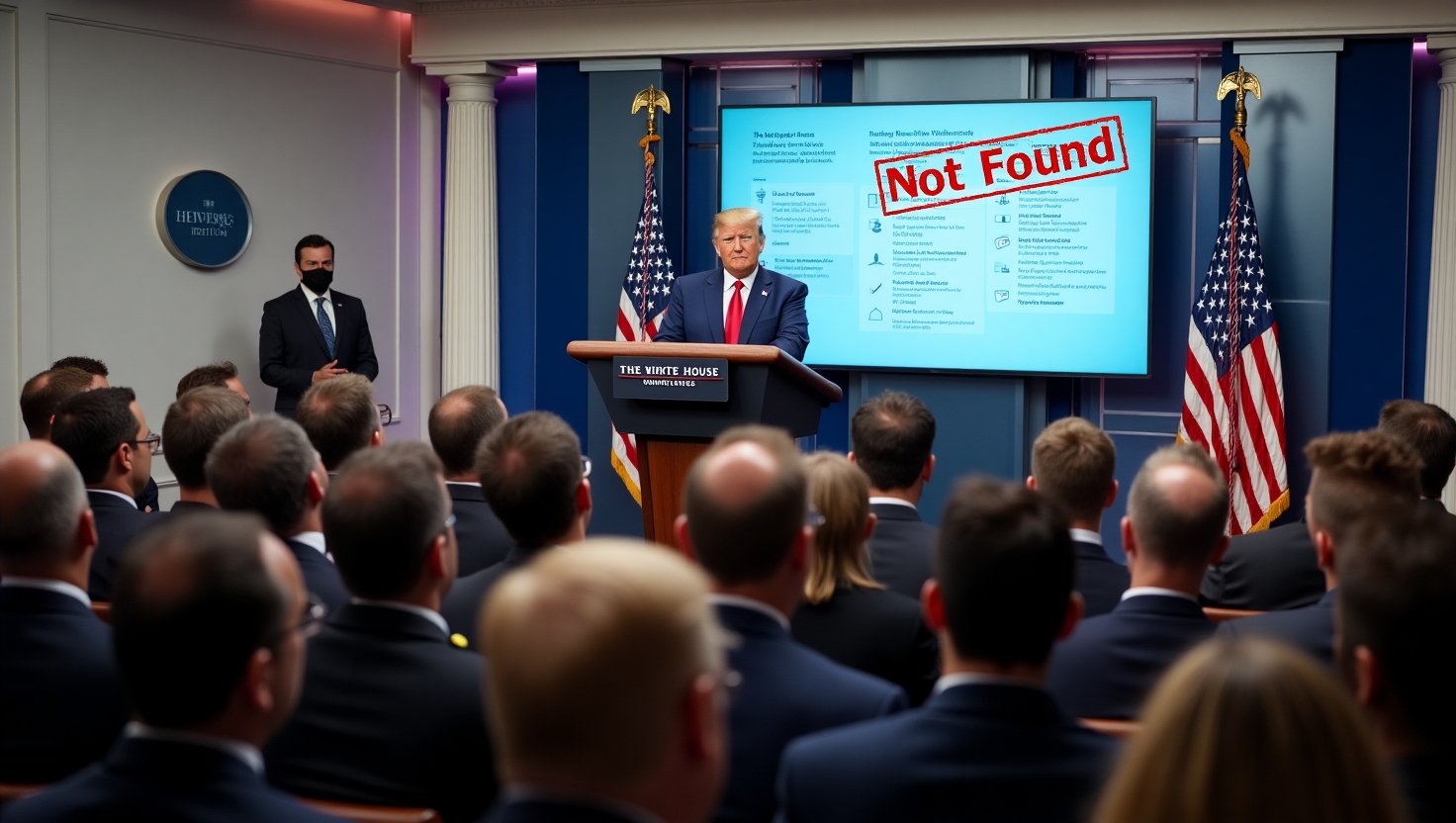
Journalists Admit: “We Just Assumed He Was There and Got Carried Away”
In a rare moment of transparency so honest it almost counts as journalism, multiple major news outlets issued a collective shoulder shrug this week after the Department of Justice confirmed that Donald J. Trump’s name does not appear in the newly released Jeffrey Epstein files.
“We really thought it would be in there,” admitted one Washington Post editor, speaking anonymously behind a stack of unused Trump-is-guilty headlines. “We had graphics. We had lower thirds. One intern even made a ‘Trump & Epstein BFF Timeline’ in Canva. It was adorable.”
CNN anchor Jake Tapwater expressed regret, sort of:
“In hindsight, we probably should have waited for, you know, actual information. But in our defense, everyone else was already speculating and we didn’t want to get left out of the hysteria.”
According to insiders, at least six major publications had pre-written 5,000-word exposés with titles like “Flight Risk: The Trump-Epstein Connection”, “Trump’s Massage Parlor of Secrets”, and “Orange is the New Pedo.”
When the files turned up nothing, one editor at Politico reportedly threw a chair and shouted, “The truth has betrayed us!”
Some journalists took it personally. One anonymous MSNBC contributor said, “I felt Trump’s guilt in my bones. And when that’s your truth, who needs facts?”
At The New York Times, a managing editor offered a postmodern explanation:
“We’re not in the business of reporting what’s true. We’re in the business of reporting what feels inevitable.”
The newsroom applauded.
In response to the DOJ’s clarification — which amounted to, “Stop it, he’s not in the files, please calm down” — several outlets pivoted to new theories, suggesting that Trump’s name was possibly “hidden in plain sight,” “misspelled on purpose,” or “absorbed into the paper fibers by guilt.”
Over at NPR, one investigative team began consulting a palm reader and a haunted Speak & Spell to decode “emotional footprints” left in the documents.
Meanwhile, Ron White offered the most sober assessment of the entire ordeal:
“The media’s out here chasing phantoms, and the DOJ’s standing there going, ‘He’s not in the damn files.’ You can’t fix stupid, but you can print it in bold and call it a scoop.”
Even Twitter got in on the confession. The account for The Atlantic tweeted:
“We didn’t find him in the documents, but we still have feelings about it.”
The tweet was later deleted and replaced with a new article:
“The Real Crime Was Our Disappointment: Coping With Trump’s Absence.”
As the dust settled and attention shifted to something shinier (a dog that looks like Steve Bannon), media outlets quietly walked back their coverage with the grace of a drunk flamingo backing off a stolen lawn chair.
No apologies were issued.
No lessons were learned.
No stories were retracted.
But in a dim hallway at CNN headquarters, a lone journalist whispered into her latte:
“Next time, let’s wait at least 12 minutes before we convict someone on live TV.”
Then everyone laughed and got back to work.