

Pentagon Confirms Naval Strike: U.S. Military Destroys Narco-Terrorist Boats in Pacific Waters
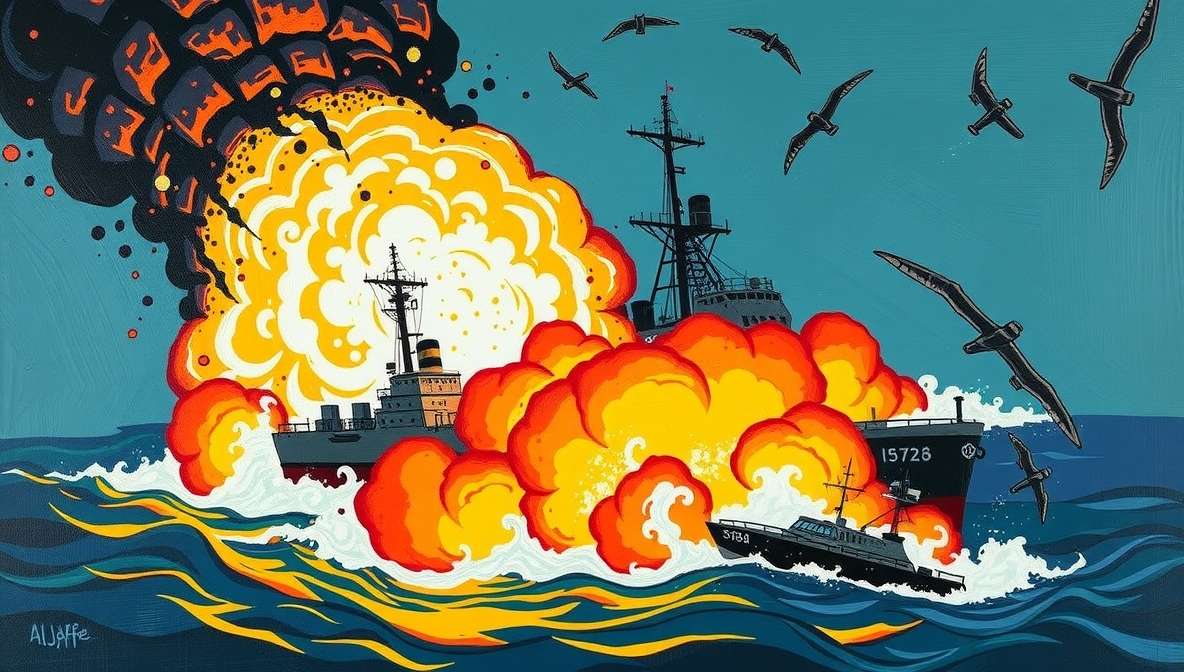
Pacific Ocean—In what Pentagon spokespeople are calling “an assertive display of maritime enthusiasm,” the U.S. military recently destroyed two alleged drug boats, reportedly killing six so-called “narco-terrorists.” Locals report that the fish population is now filing formal complaints about noise pollution and missing tuna.
According to eyewitnesses, the explosions were visible from 12 miles away, and one confused pelican reportedly fainted. A Coast Guard officer remarked: “It was like watching a fireworks show, except the audience was slightly terrified, and everyone forgot their snacks.”
Military Maritime Operations: When Naval Power Meets Drug Interdiction
Dr. Leonard Salty, a professor of Exaggerated Maritime Warfare at the University of Always Dangerous, explained: “This is standard procedure. Identify a boat, assume it’s filled with villainous narco-terrorists, blow it up, and then release an official statement confirming the heroic work. It’s like Monopoly, but with real boats and legal disclaimers.”
Analysts note the action sent a strong geopolitical message: “We can make the ocean louder than your music festival, and we can do it with style.”
Naval Strike Details: Cause and Effect Analysis
- Drug boats allegedly spotted
- Military reacts with explosive flair
- Six alleged bad guys eliminated
- Dolphins slightly traumatized, probably
A Pentagon official added: “This isn’t just about drugs—it’s about reminding everyone that the U.S. Navy has pyrotechnics and we aren’t afraid to use them.”
Civilian Witnesses React to Dramatic Pacific Ocean Military Operation
Fishermen in the area were startled, confused, and slightly impressed. “I thought someone was filming an action movie,” said one fisherman. “Turns out it was real. I should’ve brought popcorn.”
A local seagull was observed hovering suspiciously over the remains of one boat, apparently wondering if it could still be scavenged.
Public Safety Perception: Beach Poll Results
A poll conducted on beachgoers revealed:
- 42% felt safer
- 28% were concerned about collateral fish damage
- 17% just liked the explosions
- 13% hoped the military would start a subscription fireworks service
Youth Inspired by Naval Explosions: The Next Generation of Military Influencers
Two teenagers nearby reported feeling motivated to pursue careers in explosive chemistry and social media content creation simultaneously.
“We want to make things go boom, but also post it on TikTok,” said one aspiring influencer. “It’s very patriotic.”
Strategic Analysis: Comparing Military Operations to Everyday Life
Military analysts compared the operation to a toddler discovering fireworks in a sandbox: “Lots of noise, slightly uncontrolled excitement, and everyone watching with wide eyes hoping nothing important gets ruined.”
Collateral Maritime Consequences: Unexpected Environmental and Social Effects
- Naval morale boosted
- Ocean currents slightly disturbed
- Sharks reportedly updated LinkedIn profiles to reflect “combat-adjacent skills”
Pacific Ocean Drama Continues: Long-Term Strategic Implications
While the exact long-term strategic impact remains uncertain, one thing is clear: the Pacific Ocean has never felt more dramatic, and Twitter will continue celebrating explosive military accomplishments with a mix of awe, sarcasm, and GIFs of cats.
Disclaimer: This satirical article is a 100% human collaboration between the world’s oldest tenured professor and a philosophy major turned dairy farmer. No AI was involved in blowing anything up, nor in narrating explosions, though it may have quietly judged.
Auf Wiedersehen, amigos.
Sources: Authority References on Naval Counter-Narcotics Operations
- U.S. Department of Defense – Official Pentagon news and military operations
- United States Navy – Naval operations and maritime security
- U.S. Coast Guard – Maritime law enforcement and drug interdiction
- Drug Enforcement Administration – Federal drug enforcement and international operations
- U.S. Southern Command – Counter-narcotics operations in Latin America and Caribbean
- U.S. State Department Bureau of International Narcotics – International drug control strategies
- U.S. Naval Institute News – Professional maritime and naval news coverage
- UN Office on Drugs and Crime – Global drug trafficking data and maritime crime
