

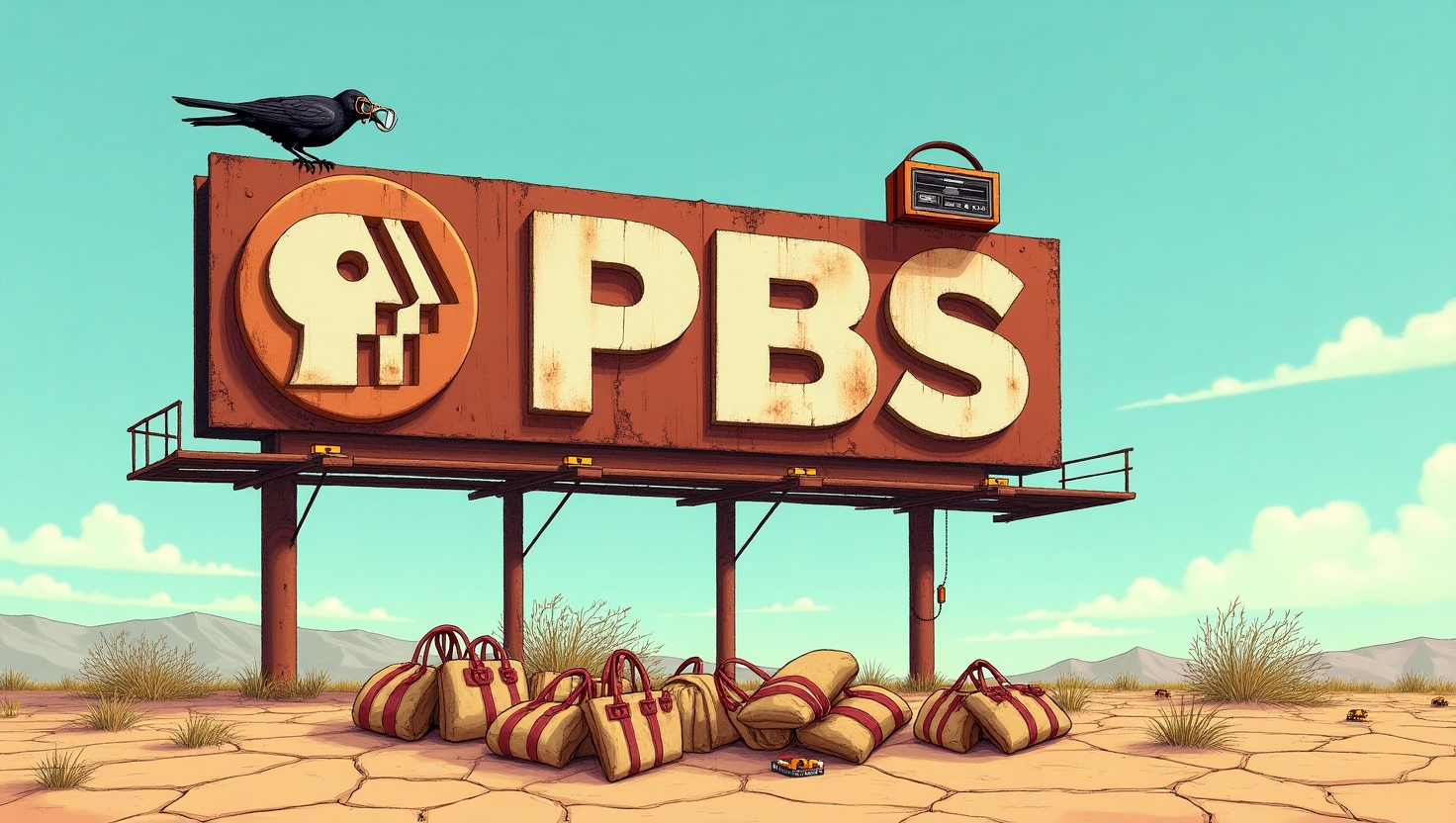
PBS After Dark: Side Gigs and Strange Bedfellows
After-Hours Programming:
With budgets bare-boned, PBS has discovered its wild side. By day, it’s Arthur and PBS NewsHour, but by night? Welcome to PBS After Dark, where the line-up gets… experimental. Think a late-night talk show called “Masterpiece After Hours” where hosts in period costume sip cocktails and dish gossip about 19th-century authors (Oscar Wilde would be proud). There’s even a tongue-in-cheek cooking show at 11 PM, “The Great British Bake Off* (Your Diet)”*, featuring outtakes of Mary Berry dropping the occasional bleeped expletive when a soufflé falls. One new program, “Frontline: Uncensored,” airs at midnight – it’s basically regular Frontline but with the investigative reporters allowed to crack dark jokes and use PG-13 language about the injustices they uncover. An inside source (a puppet informant deep within Sesame Street’s nightlife) leaked that PBS briefly considered a sketch comedy hour reminiscent of Monty Python. The idea, tentatively titled “Flying Circus on the Street”, would have had Muppets reenacting famous comedy sketches (picture Grover in the Ministry of Silly Walks). Alas, it was deemed “too silly” – a phrase never before uttered in public broadcasting.
Side Hustles for the Highbrow:
The people of public media are nothing if not resourceful. Beloved NPR voices and PBS personalities have taken on odd jobs to make ends meet. One well-known NPR commentator was spotted voicing GPS navigation directions on a freelance basis – now you can have your driving instructions delivered in soothing, dulcet tones: “In 500 feet, turn right… if you please.” The host of a popular PBS painting show (let’s call him Bob “Happy Little Tree” Ross Jr.) now sells custom pet portraits at the local farmers’ market, throwing in a free mini art lesson with each purchase. Over at NPR, a few reporters launched a podcast on the side where they auction off homemade sourdough bread during the show – a journalism + bake sale hybrid. Meanwhile, Antiques Roadshow appraisers have started a weekend gig appraising people’s weird stuff on TikTok; you haven’t lived until you’ve seen a 20-year-old influencer shocked that Grandma’s porcelain cat figurine isn’t worth millions (the appraiser’s gentle response: “It’s worth about $5, but the sentimental value is priceless”).
Even PBS icon Bill Nye the Science Guy took his act to a streaming platform for extra cash. In a new web series (definitely not on PBS), he tackles science questions too risqué for TV, like the physics of beer pong and the chemistry of pheromones at the club – Bill Nye: Science After Dark! Who knew periodic tables could be so… periodically scandalous? Not to be outdone, the Nova team now offers “Nova Nights” at a local planetarium: an adults-only star show with sarcastic commentary and a cash bar (learning about black holes with a Black Russian in hand has its appeal).
Merch, Memes, and More:
Public broadcasting has also embraced the merchandising frontier like never before. Sure, PBS tote bags have been around forever, but now you can get official PBS wine glasses etched with Big Bird’s silhouette (for those who want to drink to enlightenment). The PBS Kids characters have become surprise fashion icons – rumor has it that Cookie Monster’s new line of vegan cookie dough protein bars sold out in a day. A parody commercial circulating online shows Elmo hawking a fitness app: “Elmo loves when you feel the burn!” (We think it’s a joke… we’re not entirely sure). And NPR has dipped a toe into the social media influencer game: their TikTok account features Morning Edition hosts doing 15-second explainers on the news while attempting the latest dance craze (it’s equal parts informative and cringey-cute).
In a particularly absurd twist, someone started a fake “PBS OnlyFans” page – don’t worry, it’s totally PG, featuring videos of librarians reading classic literature by candlelight and Ken Burns-style slow zooms on famous paintings. (Subscribers pay extra for extended Q&A sessions about the Dewey Decimal System – spicy!). While that began as a joke, it actually raised a few thousand dollars for local stations, proving that no idea is off the table. Late-night comedians joked that public broadcasting is going through its “college years phase,” experimenting with everything. But behind the satire lies a truth: these folks will do anything (well, almost anything) to keep the lights on and the signal strong. As one exhausted PBS producer quipped, “We’ve never worked so hard to stay classy.” In the end, the spirit of public broadcasting remains – just with a few more weird war stories to tell at the next office party. If nothing else, this grand hustle has shown that even when thrown into the deep end, the people of PBS and NPR can adapt, survive, and yes, even laugh at themselves in the process.