

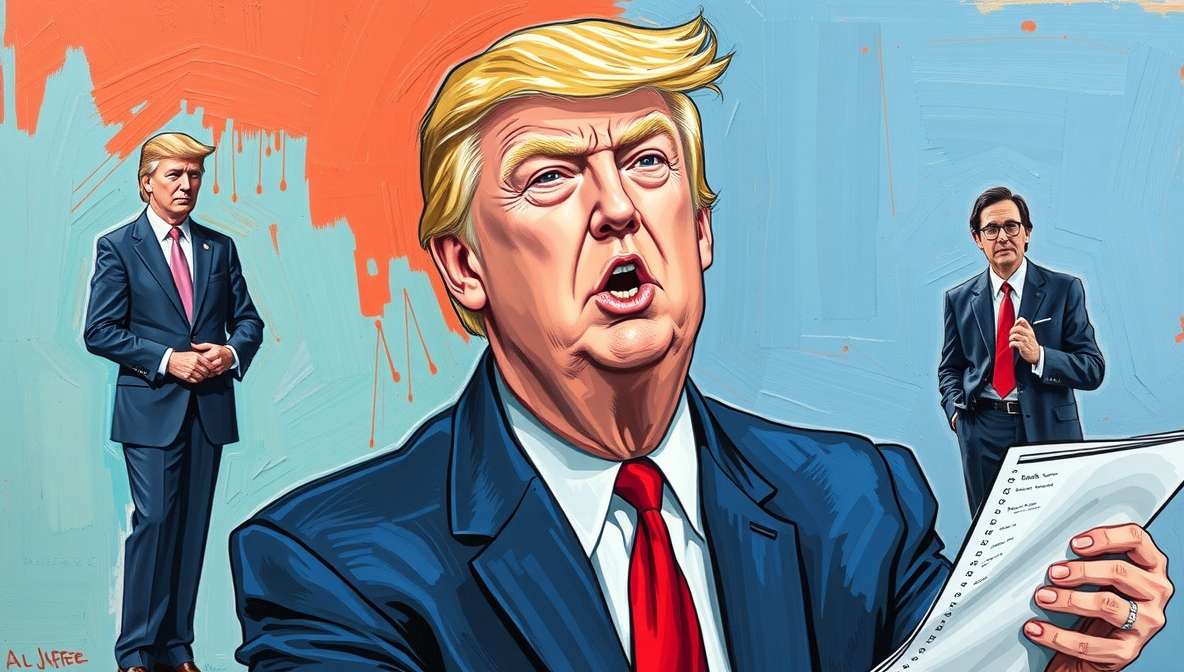
Massie Throws Shade at Trump: ‘Investigating Epstein? Or Just a Very Complicated Game of Hide-and-Seek?’
Representative Thomas Massie, the Kentucky Republican known for voting against things his own party loves and loving things his own party votes against, has thrown what can only be described as artisanal, small-batch shade at former President Donald Trump’s recent demand for Epstein file releases. In a statement that walked the fine line between supporting transparency and questioning motives, Massie suggested Trump’s investigation enthusiasm might actually be “a very complicated game of hide-and-seek.”
Massie’s Shade Game Reaches Professional Levels
The comment, delivered during a C-SPAN interview that approximately seven people were watching live, has since gone viral among the dozens of Americans who follow congressional procedural debates with the intensity most people reserve for sports championships. Massie explained that while he supports full disclosure of the Epstein files, he finds Trump’s timing “curious at best, suspicious at middling, and absolutely hilarious at worst.”
“When someone who spent years avoiding questions about their Epstein connections suddenly demands we investigate Epstein, you have to wonder if they’re playing hide-and-seek and just announced ‘ready or not, here I come’ before anyone had a chance to hide,” Massie said, a statement that somehow managed to be both supportive and devastating.
Jerry Seinfeld observed, “Hide-and-seek is the only game where yelling ‘I’m coming to find you!’ is considered part of the strategy. Politicians do the same thing, but with investigations.”
Republican Caucus Divided on Shade Appropriateness
The Republican caucus has fractured into three distinct camps over Massie’s comments: those who think he’s a truth-teller, those who think he’s a traitor, and those who are still trying to figure out what “artisanal shade” means. The latter group reportedly consulted Urban Dictionary and is now more confused than before.
Trump loyalists have suggested Massie’s comments represent yet another establishment Republican refusing to support the former president’s brave transparency crusade. Massie, for his part, pointed out he’s been demanding Epstein file releases since before it was politically convenient, a hipster position in the world of congressional oversight.
Dave Chappelle said, “Nothing worse than someone who supported something before it was cool acting all superior about it. Wait, that’s exactly what hipsters do. Massie’s a congressional hipster.”
The Hide-and-Seek Metaphor Gains Traction
Political analysts have praised Massie’s hide-and-seek comparison as “devastatingly accurate” and “the kind of metaphor that makes you laugh and then immediately Google people’s names to see if they were on flight logs.” The comparison suggests Trump’s document release strategy involves loudly announcing he’s looking for something while simultaneously controlling what gets found.
“It’s brilliant because it frames the whole thing as a children’s game, which honestly is appropriate given the maturity level of our current political discourse,” said one congressional staffer who requested anonymity because they value their job more than Twitter clout.
Amy Schumer noted, “Hide-and-seek is only fun when you’re actually trying to find people. If you’re just pretending to look while hiding evidence, that’s called a coverup, not a game.”
Massie’s Long History of Inconvenient Truth-Telling
This isn’t the first time Massie has been the Republican who says the quiet part loud, or the loud part quiet, or honestly just says things that make everyone uncomfortable regardless of volume. The congressman has built a reputation for voting his conscience even when his conscience disagrees with literally everyone else in the building.
Previous Massie moments include voting against emergency spending bills, questioning military interventions, and once holding up a COVID relief package by demanding a recorded vote, forcing hundreds of congresspeople to fly back to Washington during a pandemic. His colleagues described that move as “technically legal but spiritually exhausting.”
Bill Burr commented, “There’s always that one guy who reads the fine print and ruins everyone’s day. In Congress, that guy is Massie, and I respect it even though everyone hates him for it.”
Trump Responds With Characteristic Subtlety
Former President Trump responded to Massie’s comments via Truth Social, describing the Kentucky congressman as “a lightweight who nobody’s heard of except when he’s trying to get attention by attacking the most popular president in history, which is me.” The post continued for another seventeen paragraphs, covering topics ranging from Massie’s voting record to the quality of Kentucky bourbon to whether hide-and-seek is even a real sport.
“I was always great at hide-and-seek,” Trump wrote. “The best. People would hide and I’d find them immediately. Or sometimes I’d just win without finding them because I’m that good at games. Massie wouldn’t know because he’s never won anything.”
Chris Rock said, “When someone responds to a one-sentence criticism with a seventeen-paragraph rant, you know they’re definitely not bothered by it at all.”
Congressional Republicans Navigate Awkward Territory
Other House Republicans found themselves in the uncomfortable position of either defending Trump against Massie’s shade or supporting Massie’s call for transparency while avoiding Trump’s wrath. Most chose the time-honored tradition of suddenly being unavailable for comment and extremely interested in hallway ceiling tiles.
“I think both men raise important points,” said one Republican congressman, a statement so carefully calibrated to offend no one that it somehow offended everyone. “We should investigate thoroughly while also supporting President Trump’s leadership while also maybe looking into some things while also not looking too hard at certain other things.”
Ricky Gervais observed, “Politicians trying not to take sides is like watching someone try to sit on a fence that’s electrified on both sides. Painful for them, entertaining for us.”
The Epstein Investigation Becomes Campaign Issue
With the 2024 presidential campaign in full swing, the Epstein file release debate has become an unexpected litmus test for Republican candidates. Those who support immediate full disclosure risk angering Trump supporters who suspect the files might contain inconvenient information. Those who urge caution risk appearing to support a coverup. Those who try to split the difference risk Massie-style shade from all directions.
“It’s a lose-lose-lose situation,” explained one campaign strategist. “The only winning move is to change the subject to immigration or taxes or literally anything else, but Massie keeps bringing it back up like that friend who won’t let a funny joke die.”
Trevor Noah said, “When a scandal becomes a campaign issue, everyone has to pretend they care about justice while actually just calculating how it affects their poll numbers. It’s math disguised as morality.”
Democrats Enjoy the Republican Infighting
Democratic lawmakers have watched the Republican hide-and-seek debate with barely concealed glee, occasionally offering helpful suggestions like “maybe check behind the drapes at Mar-a-Lago” and “did anyone look in the classified documents boxes?” The suggestions have been universally ignored but provided excellent material for Democratic fundraising emails.
Senator Chuck Schumer called Massie’s comments “refreshingly honest for a Republican,” which in political speak translates to “we agree with him but don’t want him to get too comfortable on our side of the aisle.”
Jim Gaffigan joked, “Watching Republicans fight each other is like watching your kids argue about who gets the last cookie while you’re eating it yourself. Pure entertainment.”
Massie Doubles Down on Shade Game
Rather than backing down from his hide-and-seek comparison, Massie has doubled down, suggesting in a follow-up interview that perhaps the game has been going on so long that some players have forgotten they’re still playing. This meta-commentary on political memory and selective amnesia earned him both praise from political science professors and death threats from Trump supporters, the modern dual rewards of truth-telling.
“Look, I’m not saying anyone’s guilty of anything,” Massie clarified, a statement that immediately preceded him strongly implying someone might be guilty of something. “I’m just saying that when you demand an investigation into yourself while controlling the investigation, that’s not really an investigation. That’s performance art.”
Sarah Silverman noted, “Performance art is just lying but with better lighting and a pretentious artist’s statement. So yeah, that tracks for politics.”
The Shade Economy Expands in Washington
Political consultants report that the “shade market” in Washington D.C. has reached all-time highs, with Massie’s hide-and-seek comparison being traded among political operatives like rare Pokémon cards. The comment has been analyzed, dissected, and repurposed in at least fourteen different attack ads, though lawyers have advised that comparing opponents to hide-and-seek players might not constitute defamation because it’s technically a compliment to their evasion skills.
“We’re in a golden age of political shade,” explained one communications director. “People are throwing shade so sophisticated you need a graduate degree to fully appreciate it. Massie’s operating at PhD levels.”
Ali Wong said, “Shade has become an art form. Back in my day, we just called people out directly. Now it’s all subtext and metaphors. I can’t keep up.”
What This Means for Future Investigations
The Massie-Trump hide-and-seek exchange has raised important questions about how future congressional investigations will be conducted, particularly when the person demanding the investigation might also be the subject of said investigation. Legal experts suggest this creates a paradox previously only found in time travel movies and M.C. Escher paintings.
“You can’t investigate yourself and claim objectivity,” noted one former federal prosecutor. “Well, you can, but it’s like being your own character witness. Sure, you think you’re great, but maybe ask someone else for their opinion.”
Jo Koy said, “Investigating yourself is like asking if you’re a good driver. Everyone says yes, but the insurance companies tell a different story.”
The Internet Weighs In With Memes
As is tradition in modern America, the Massie-Trump exchange has spawned countless memes featuring children playing hide-and-seek with politicians’ faces photoshopped onto them. The most popular version shows Trump with his eyes covered counting to ten while files marked “Epstein” slowly edge out of frame.
“The internet is where political discourse goes to become digestible for people with the attention span of caffeinated squirrels,” observed one social media analyst. “But honestly, the memes are more accurate than most news coverage, so maybe that’s progress?”
Nate Bargatze deadpanned, “If you can’t explain a political scandal in meme form, it’s probably too complicated for Congress to investigate anyway.”
Auf Wiedersehen, amigos.