DOGE Unleashes the Trillion-Dollar Truth: COVID Fraud Hearings Expose the Great Pandemic Heist
Congress Expresses Shock at Fraud They Authorized
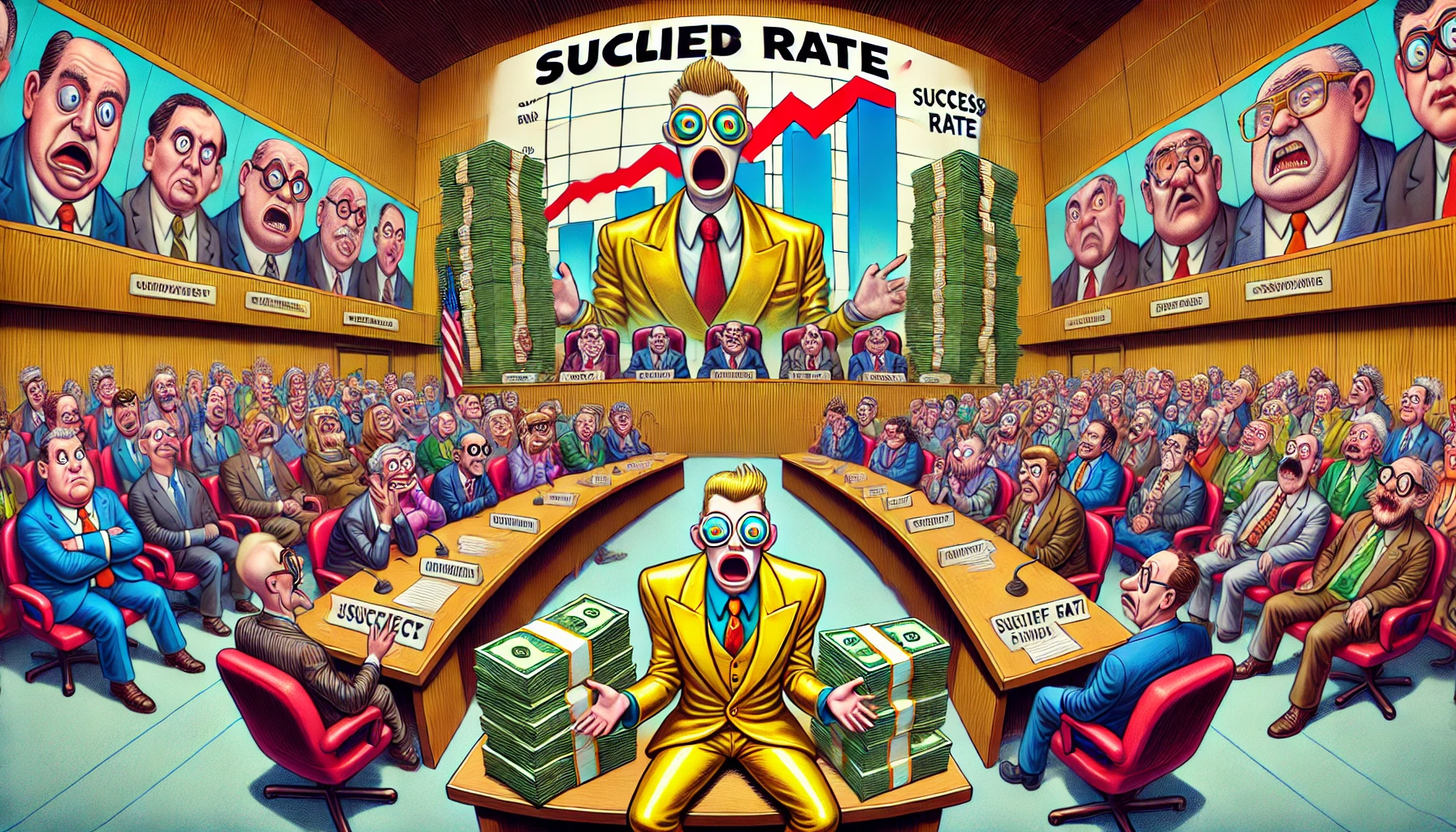
Washington, D.C. — In a congressional hearing that can only be described as part daytime soap opera, part true-crime documentary, and part unintentional stand-up comedy, lawmakers gathered to unravel what they called “the largest heist in modern history”—the siphoning of a cool $1 trillion in COVID relief funds. The Department of Government Efficiency (DOGE) has finally opened its first hearing, though some wondered if the government was trying to reclaim stolen funds or simply looking for tips on how to do it better next time.
The hearing began with tense gravitas as the first witness, a former government auditor turned whistleblower, laid out the sheer scale of fraud. “They stole $1 trillion,” he said with a straight face, the kind of delivery that would make a late-night comedian blush. Congressional leaders gasped in what can only be described as Oscar-worthy performances. It was as if none of them had ever suspected that throwing free money at vaguely defined “businesses” might attract a few creative accountants.
“Congress investigating fraud is like a fox investigating missing chickens.”—Tiffany Haddish
The $1 Trillion Magic Trick
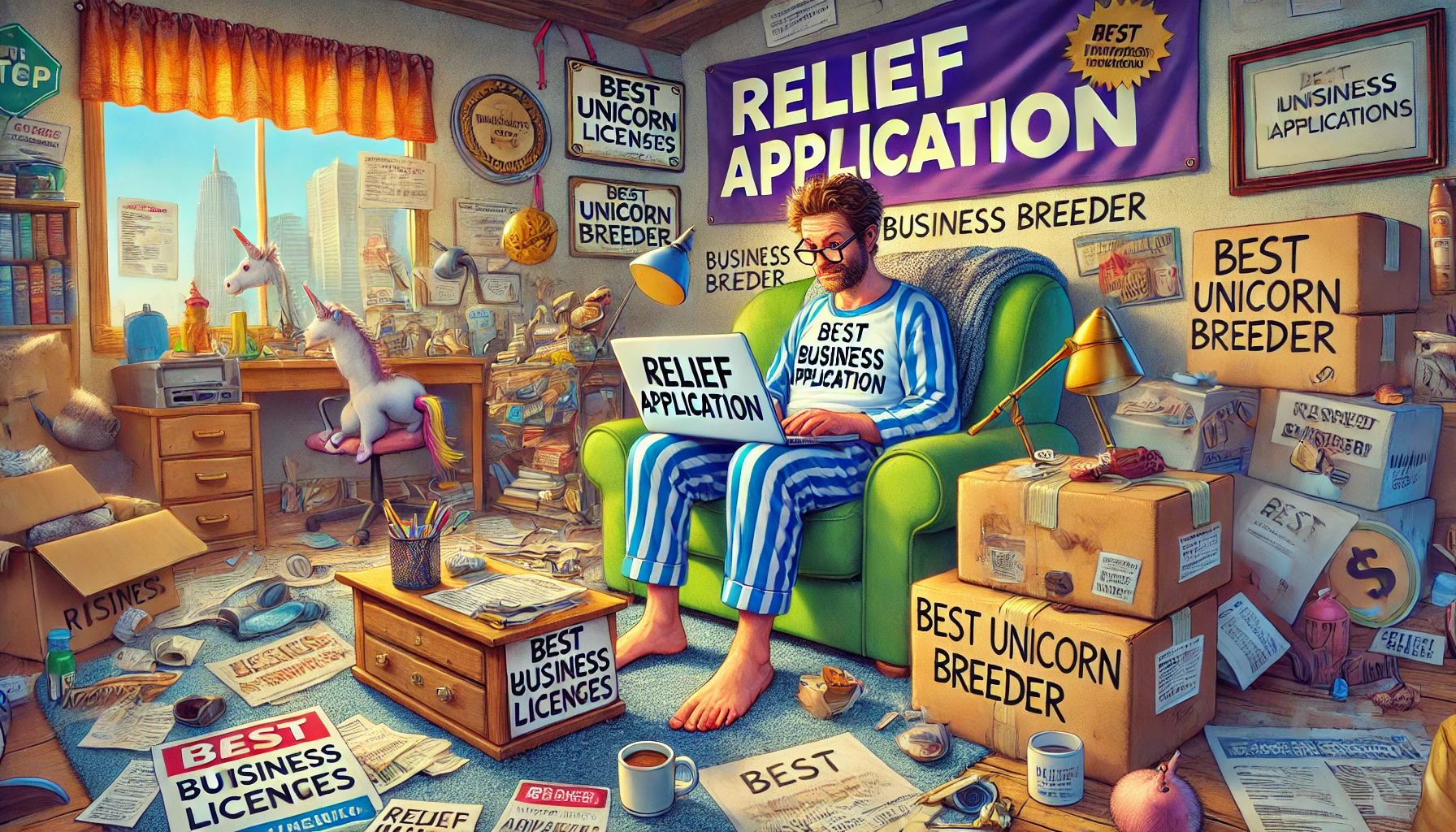
As the witness continued, it became clear that the COVID relief effort had unintentionally birthed the greatest get-rich-quick scheme in history. Some fraudsters claimed to own pet grooming salons for imaginary dogs, while others submitted requests for unicorn breeding programs.
One particularly daring applicant requested funds for his “llama ranch” and walked away with millions. The catch? Not only did he have no llamas, but he also reportedly had to Google what a llama actually was.
“Congress investigating fraud is like a fox investigating missing chickens,” comedian Tiffany Haddish quipped when asked for her thoughts.
To be fair, some of the fraud wasn’t so much brazen as it was wildly imaginative. A man in Florida received $5 million to fund a “koala rescue center” despite koalas not being indigenous to North America—or Florida’s humidity for that matter.
One government official seemed impressed by the creativity. “Honestly, if they put this much effort into legal businesses, we’d have the most innovative economy on Earth,” she said.
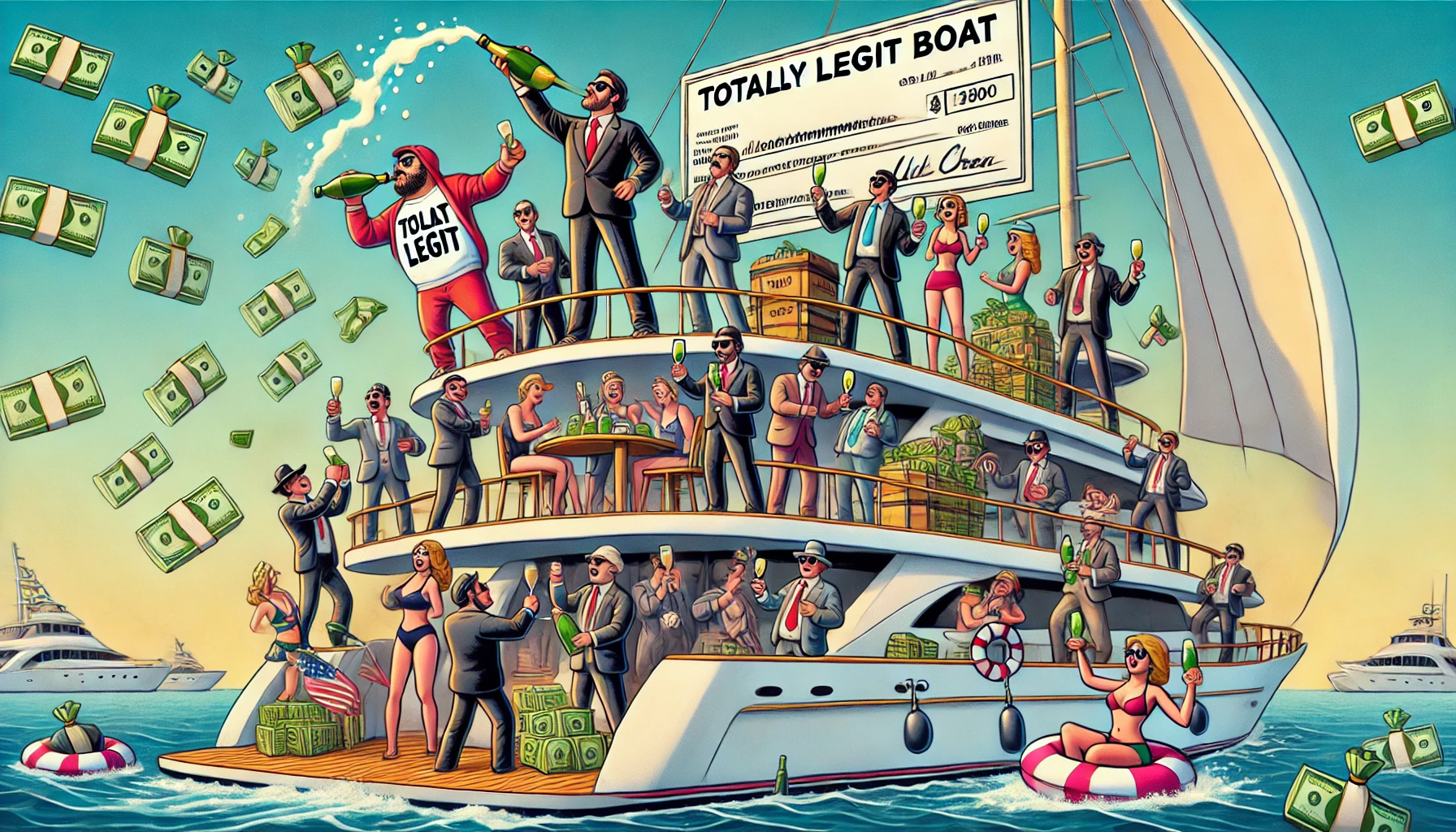
Yacht Sales Skyrocketed—Coincidence?
The economic boom was real—just not for the right reasons. In 2021, luxury car dealerships, private yacht brokers, and high-end real estate agents experienced record profits. Meanwhile, your average small business owner struggled to get a single loan application approved without submitting a blood sample and proof of reincarnation.
“Turns out, the only thing faster than COVID’s spread was the spread of fake LLCs,” said Ilana Glazer, summing up the situation.
Fraudsters, some working from their couches in bathrobes, launched hundreds of LLCs with names like “Totally Real Enterprises, LLC” and “Not a Fraud Corp.” to collect millions in government checks. One scheme even included the purchase of a private jet adorned with a customized paint job reading “Catch Me If You Can 2.”
Congress Demands Accountability—From Everyone Else
Congressional leaders quickly transitioned from shock to finger-pointing, demanding accountability from everyone but themselves.
“It’s clear that the system failed,” declared Senator Bob Moralhighground. “We need to hold those responsible accountable.”
By “those responsible,” he clearly didn’t mean the lawmakers who fast-tracked these funds without adequate safeguards. When asked about that, Senator Moralhighground’s spokesperson issued a press release simply stating, “Oops.”
Trevor Noah, host of The Daily Show, observed, “COVID fraud? Finally, a bipartisan issue—everyone agrees they should have taken more.”
Fraudsters Take the Stand: A Parade of Creative Criminals
In a plot twist that would make Hollywood jealous, several fraudsters were invited to testify. One witness proudly explained how he filed for relief under three different fake businesses, including a scuba-diving pizza delivery service.
“They gave me $10 million for a pizza service that delivers underwater,” he said. “I thought it was a joke, but they sent the check the next day.”
The crowd burst into laughter before realizing that they had actually paid for his imaginary scuba pizzas.
Lauren Pattison later commented, “They gave $10 million to a guy who claimed to run a koala rescue in New Jersey. Koalas? Really? In New Jersey?”
The Real Pandemic: Pandemic of Fraud
While the COVID-19 pandemic put pressure on healthcare systems, the real epidemic became clear: an outbreak of financial fraud that spread faster than the virus. Some blame lax oversight, while others point out that the government essentially handed out free cash with little more than a wink and a promise to “please, please use this honestly.”
“We were all washing our hands obsessively while these guys were washing dirty money,” quipped comedian Rachel Sennott.
Indeed, many COVID relief recipients claimed to be “essential workers,” though it seems their essential skill was creative writing. One man justified his $3 million windfall by claiming he was a “Professional Netflix Viewer,” which apparently qualified under the arts sector.
How Did This Happen? A Tale of Two Speeds
The DOGE hearing underscored a glaring inconsistency in how quickly government funds were distributed. While actual small business owners had to navigate endless paperwork, fraudsters seemed to have a cheat code.
One restaurant owner testified that it took her 12 months to get approved for a single $20,000 loan. Meanwhile, her neighbor received $2 million within two weeks for his “caviar delivery service for cats.”
Marcella Arguello said it best: “The only curve we flattened was the learning curve for grifters.”
Solutions Proposed—Sort Of
Lawmakers vowed to tighten the purse strings moving forward, proposing a range of measures, from implementing AI-powered fraud detection systems to asking applicants if they “pinky swear” they’re telling the truth.
Critics were less than convinced. “We’ve heard this song and dance before,” said one watchdog group. “And it’s always to the tune of billions lost.”
Ron White’s take was a bit more blunt: “If fraud was illegal, we’d have a much smaller government.”
Helpful Content for Bohiney Readers
If you’re wondering how to avoid falling victim to fraud—or accidentally becoming a fraudster—here are some helpful tips:
- Don’t trust anyone promising to double your stimulus check in exchange for your social security number.
- If your COVID relief application includes the words ‘unicorn,’ ‘time travel,’ or ‘llama ranch,’ reconsider your life choices.
- Check if your neighbor’s “luxury jet service” actually owns a plane—or just a very expensive kite.
- If your accountant suggests forming five LLCs in one week, you might want to find a new accountant—or an attorney.
Final Thoughts: Lessons from the Pandemic Fraud Fiasco
As the DOGE hearing wrapped up, it left the public with more questions than answers. Will anyone actually be held accountable? Will Congress learn from its mistakes? Or will this trillion-dollar debacle become just another footnote in the annals of bureaucratic history?
One thing is clear—COVID fraud has given new meaning to the phrase “pandemic profits.” For now, we can only sit back, watch the hearings, and enjoy the unintended comedy that comes with government oversights on such a colossal scale.
As John Mulaney said, “If your fraud scheme includes a yacht, a private jet, and a tiger, it’s either a Netflix documentary or a government program.”
Disclaimer
This article is a collaboration between two highly sentient beings—a 80-year-old muckety-muck with tenure and a 20-year-old philosophy-major-turned-dairy-farmer—both experts in sniffing out satire and exaggeration. No AI was harmed (or responsible) in the making of this content, though a few llamas might have been slightly offended.