

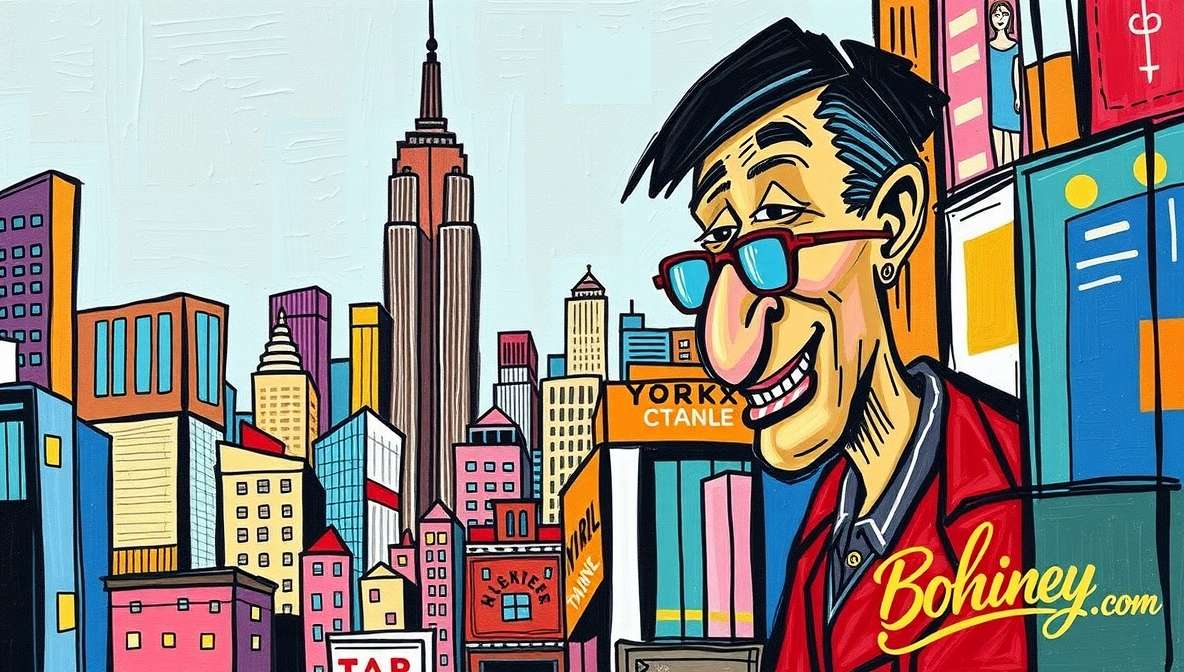
Welcome to New York: The City That Never Sleeps Because It Can’t Afford the Rent
New York City, USA Where Dreams Go to Pay $18 for a Bagel
New York City stands as America’s greatest experiment in seeing how many humans can be crammed into a small space while still maintaining the illusion of sophistication. This concrete jungle, where dreams are made and bank accounts go to die, attracts millions of visitors annually who want to experience the thrill of paying $18 for a bagel with schmear while standing elbow-to-elbow with strangers who haven’t discovered deodorant.
The Authentic New York Experience: Masochism as Tourism
Visitors flock to the Big Apple seeking that authentic New York experience, which apparently means being aggressively ignored by everyone around you while simultaneously being judged for your tourist shoes. The city has perfected the art of making you feel both invisible and excessively visible at the same time. You’ll blend into the crowd of eight million people, yet somehow every local will immediately identify you as someone who doesn’t belong here, probably because you made eye contact or said “excuse me” when bumping into someone.
The subway system offers a particularly immersive cultural experience, functioning as a mobile sauna in summer and a refrigerated storage unit in winter. For just $2.90, you can enjoy the privilege of standing uncomfortably close to strangers while a man performs an elaborate breakdancing routine that somehow requires the entire length of the subway car. The Metropolitan Transportation Authority has cleverly designed the system so that trains arrive on a schedule known only to ancient mystics and the MTA itself, ensuring that every commute is an adventure in patience and bladder control.
Manhattan: Where Square Footage Costs More Than Gold
Manhattan real estate operates on principles that defy both economics and physics. A studio apartment the size of a generous walk-in closet will cost you approximately $3,200 per month, and that’s considered a steal if it includes a window. The broker will enthusiastically describe it as “cozy” and “efficiently designed,” which is realtor-speak for “you can cook dinner, use the bathroom, and sleep simultaneously without moving your feet.”
Times Square serves as the city’s main tourist trap, a dazzling display of capitalism and sensory overload where visitors can pay $47 for a lunch they could get for $12 anywhere else. The area features oversized cartoon characters who will pose for photos and then aggressively demand payment, teaching children valuable lessons about contracts and intimidation. The square embodies everything wonderful about New York: it’s loud, expensive, crowded, and somehow people keep coming back for more.
The Dining Scene: Michelin Stars and Credit Card Debt
New York’s restaurant scene is legendary, offering everything from $1 pizza slices that taste like cardboard topped with ketchup to $400 tasting menus where portions are measured in molecules. The city has elevated food snobbery to an art form, where brunching isn’t just a meal but a competitive sport requiring reservations made weeks in advance. Waiting two hours for avocado toast isn’t inconvenient; it’s proof that you’re culturally sophisticated.
Food trucks have revolutionized urban dining by proving that people will pay $15 for a taco if it’s served from a vehicle with a clever pun painted on the side. The trucks rotate locations with the unpredictability of weather patterns, creating a citywide scavenger hunt for people who really want that specific lobster roll. According to the New York Times, the city’s dining scene continues to evolve, though “evolve” mostly means “find new ways to charge more for less.”
Cultural Attractions: Museums and Mandatory Donations
The city’s museums offer world-class collections of art, history, and suggested donation signs that make you feel guilty for only paying $5. The Metropolitan Museum of Art houses thousands of years of human creativity, all of which you’ll speed through in 90 minutes because your feet hurt and you need to find a bathroom. The Museum of Modern Art challenges visitors to distinguish between priceless contemporary art and items accidentally left behind by the maintenance staff.
Broadway shows provide entertainment at prices that would make Hamilton himself reconsider the Revolution. For $300, you can watch a musical from seats so far from the stage that the actors appear as colorful dots. The experience includes the added bonus of sitting behind someone who will definitely unwrap hard candy during every quiet moment and sing along despite having no discernible musical ability.
Central Park: Nature’s Participation Trophy
Central Park stands as proof that New Yorkers will cherish anything natural because they have so little of it. This 843-acre rectangle of grass and trees serves as the city’s primary outdoor space, where people pay $20 to rent a rowboat on a pond that smells vaguely of regret and duck excrement. The park offers a peaceful escape from urban chaos, assuming you can ignore the crowds, noise, and ever-present smell of pretzels.
The Boroughs: Places New Yorkers Mention But Never Visit
Brooklyn has transformed from working-class neighborhood to hipster paradise, where beards are mandatory and every coffee shop looks like it was decorated by someone who raided their grandmother’s attic and an industrial warehouse simultaneously. According to Time Out New York, Brooklyn continues to lead in gentrification, artisanal pickle production, and people who can explain the difference between various types of fermented beverages.
Queens offers authentic diversity and ethnic cuisine at prices that won’t require a second mortgage, which is why most Manhattan tourists never make it there. The Bronx and Staten Island exist primarily as punchlines and places where people claim to be from to seem more authentically New York.
Survival Tips for the Intrepid Tourist
Successful New York tourism requires adopting the local mindset: walk fast, complain constantly, and develop an intimate relationship with your credit card. Never make eye contact on the subway unless you want a forty-minute lecture about something incomprehensible. Always carry cash for pizza, tips, and paying off those aggressive costumed characters in Times Square.
Understanding the unwritten rules helps immensely. Stand to the right on escalators. Never stop walking in the middle of the sidewalk to check your phone unless you enjoy being cursed at in multiple languages. Don’t ask locals for directions; just pretend you know where you’re going until you actually arrive somewhere. The official NYC tourism site offers additional tips, though they’re considerably more optimistic about the whole experience.
Conclusion: The City You’ll Love to Have Visited
New York City remains an essential destination for anyone who wants to return home and complain about how expensive, crowded, and exhausting it was while simultaneously planning their next visit. The city’s appeal lies in its contradictions: it’s simultaneously the best and worst place on Earth, where you can find anything you want except affordable housing and personal space. Visitors leave either vowing never to return or already planning to move there, proving that New York’s greatest trick is making suffering seem aspirational. Come for the bagels, stay because you missed your train, leave broke but somehow fulfilled.
