

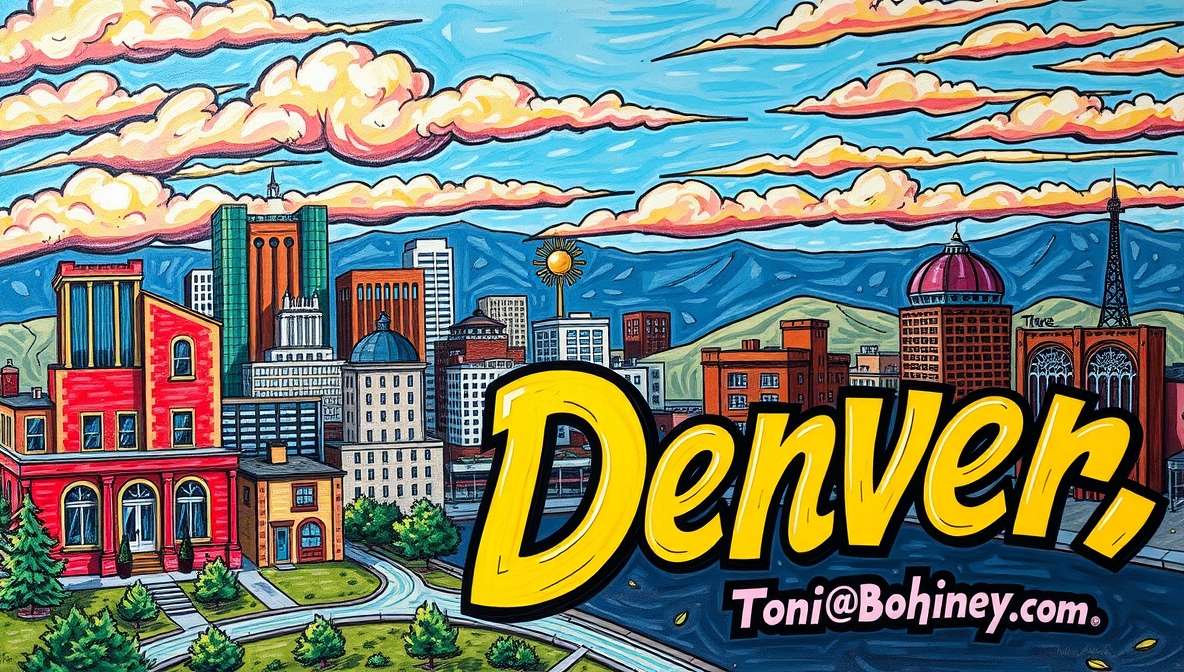
Mile High and Pricing Higher: Where Craft Beer Meets Recreational Reality
Denver: The City Where Everyone Just Moved Here From California
Denver sprawls across the high plains like a Rocky Mountain boom town that forgot to stop booming, a city that has transformed from cow town to craft beer and cannabis capital faster than you can say “I moved here for the mountains” while standing in traffic nowhere near the mountains. This Mile High City earned its nickname from elevation rather than marijuana legalization, though the 5,280-foot altitude and legal weed create a perfect storm where newcomers simultaneously experience altitude sickness and dispensary tourism, often confusing the two while complaining about housing costs that increased 80 percent since they arrived three years ago contributing to the problem they’re complaining about.
The Transplant Phenomenon: When Everyone’s From Somewhere Else
Denver’s population exploded over the past decade with transplants fleeing California, Texas, and the Midwest, arriving with dreams of mountain living and contributing to the exact problems they fled–traffic, housing costs, and too many people who also just moved here. These newcomers immediately begin gatekeeping, telling other newcomers that Denver isn’t what it used to be, despite having arrived themselves during the period when it stopped being what it used to be. The phenomenon creates a city where nobody’s actually from Denver but everyone claims to love “authentic Denver” that existed before they arrived and their presence helped eliminate.
Bumper stickers proclaim “Native” with Colorado flag backgrounds, a status symbol that means you were born here rather than moved here, creating weird hierarchies where birth geography determines authenticity and transplants spend years before feeling entitled to have opinions about local politics. According to The Denver Post, over 100,000 people moved to the Denver metro area in recent years, creating growth that benefits some through economic development while pricing out others through rising costs, demonstrating that population growth creates winners and losers rather than universal benefits despite everyone pretending it helps everyone.
The California Invasion: When Tech Money Meets Mountain Lifestyle
California transplants arrive in Denver with equity from selling Bay Area houses, purchasing Colorado real estate with cash offers that make locals weep while simultaneously changing the culture through their expectations that every restaurant should have extensive vegan options and every conversation should include passive-aggressive comments about how things were better in California, which raises the question of why they left if California was so superior but pointing this out is considered rude.
Legal Marijuana: Tourism and Local Industry
Colorado legalized recreational marijuana in 2014, transforming Denver into a destination for cannabis tourists and creating an industry that generates hundreds of millions in tax revenue while normalizing drug use in ways that are either progressive drug policy or concerning social experiment depending on your perspective and relationship to public health versus personal freedom debates. Dispensaries appear on every corner with frequency rivaling Starbucks density in Seattle, creating a landscape where buying weed is easier than buying affordable housing and probably more pleasant given current real estate market conditions.
The cannabis industry attracts entrepreneurs, investors, and people who really like weed and found a way to make that their career, creating jobs and economic activity while generating debates about appropriate regulation, public consumption, and whether marijuana tourism represents the city identity Denver wants to promote versus grudgingly accepts because it generates revenue. According to Colorado Department of Revenue, marijuana sales generate over $400 million annually in tax revenue, funding schools and infrastructure while creating tourism that’s either economic opportunity or brings visitors whose primary interest is getting legally high, which is valid tourism motivation but not necessarily what tourism boards feature in family-friendly marketing materials.
The Craft Beer Scene: Where Every Neighborhood Has Three Breweries
Denver’s craft beer culture operates on the principle that if some breweries are good, having 150 breweries must be better, creating a beer landscape so dense that complaining about too many options becomes legitimate problem rather than privileged whining. The breweries range from nano-operations brewing in garages to large facilities producing nationally distributed beers, creating quality variations that span from exceptional to “I can’t believe people pay money for this.” Beer enthusiasts discuss IPAs with scientific precision, debating hop varieties and brewing methods with intensity usually reserved for important topics, demonstrating that humans will create complicated hierarchies and knowledge systems for literally anything including beverages that make you drunk.
The beer culture attracts transplants seeking craft beer communities, creating demographics where people moved to Denver partially because of beer availability, a decision that’s either evidence of sophisticated palate and lifestyle priorities or concerning sign that alcohol plays too central a role in identity formation. According to Brewers Association, Colorado leads the nation in craft breweries per capita, a distinction that’s either impressive achievement or suggests concerning relationship with alcohol depending on whether you’re celebrating craft beer culture or questioning why so many businesses devoted to producing alcoholic beverages is considered positive economic development rather than public health concern.
The Mountains: Beautiful Views You’ll See From Traffic
The Rocky Mountains provide Denver’s primary attraction and the reason everyone moved here, visible from downtown on clear days creating stunning backdrops that make you forget you’re sitting in traffic on I-70 trying to reach those mountains for weekend skiing that requires leaving Friday at 3 AM to avoid traffic that arrives at 3:01 AM because everyone else had the same idea. The mountains offer skiing, hiking, camping, and outdoor recreation that’s either incredibly accessible or increasingly overcrowded depending on whether you’re tourism board marketing or actual user experiencing trailhead parking lots that fill before sunrise.
Getting to the mountains requires navigating I-70, a highway that functions as parking lot every weekend and holiday, creating situations where the two-hour drive to ski resorts becomes four-hour ordeal making you question whether skiing is worth this suffering while you sit motionless watching people drive on shoulders creating traffic jams investigating traffic jams. According to Colorado Department of Transportation, I-70 traffic has increased dramatically, creating infrastructure challenges that no amount of road widening seems to solve because adding lanes just attracts more traffic, demonstrating that you cannot build your way out of congestion when everyone wants to go to the same popular destinations simultaneously.
LoDo and RiNo: Where Neighborhood Names Sound Like Dog Commands
Lower Downtown (LoDo) represents Denver’s primary entertainment district, featuring restaurants, bars, and Coors Field where the Rockies play baseball in altitude that makes home runs easier and visiting teams’ pitchers weep. The neighborhood transformed from warehouse district to upscale destination faster than you can say “gentrification,” creating an area that’s either vibrant urban renewal or soulless commercial development depending on whether you’re recent arrival enjoying new amenities or longtime resident mourning lost character and affordable rents.
River North (RiNo) arts district features street art, galleries, and breweries occupying former industrial buildings, creating a neighborhood that’s either authentic artistic community or calculated attempt to create Brooklyn-style aesthetic in Denver, probably both simultaneously. The area attracts artists, young professionals, and people who believe living near street art makes them culturally sophisticated, creating demographics willing to pay premium rents for proximity to murals and craft cocktails. According to Denverite, both neighborhoods represent Denver’s growth and gentrification, where development benefits newcomers while displacing longtime residents and businesses that can’t afford rising rents, creating familiar urban patterns where economic development and community displacement are two sides of same coin.
The Housing Crisis: Where Bungalows Cost What They Shouldn’t
Denver real estate has transformed from affordable to expensive faster than altitude sickness hits sea-level visitors, with median home prices exceeding $550,000 for houses that would cost $200,000 in markets not experiencing California-fueled bidding wars. The market operates on principles where cash offers waiving inspections become standard rather than exceptional, and buyers offering $100,000 over asking price still lose to investors purchasing properties sight unseen, creating dynamics that make homeownership impossible for teachers, service workers, and anyone whose income hasn’t kept pace with housing cost increases of 80 percent over five years.
The housing shortage reflects growth outpacing construction, zoning restrictions limiting density, and investment buyers treating housing as financial instruments rather than places for people to live, creating market failures that free market fundamentalists insist will self-correct while everyone else points out that markets aren’t correcting and maybe regulation might help. According to Zillow, Denver housing costs have increased dramatically, creating affordability crises that price out the workers who make the city function, forcing them to commute from distant suburbs while wealthy newcomers enjoy urban amenities those displaced workers serve, demonstrating that economic growth doesn’t benefit everyone despite rhetoric suggesting prosperity trickles down to populations experiencing rent increases faster than wage growth.
16th Street Mall: Where Homeless Population Meets Tourist Corridor
The 16th Street Mall serves as Denver’s pedestrian corridor and ongoing social services failure, a mile-long street featuring retail, restaurants, and unhoused populations that represent city’s inability to address homelessness despite spending millions on programs that somehow don’t produce results beyond more committees and studies. The mall attracts tourists seeking shopping and dining experiences, encountering instead a microcosm of America’s housing crisis where visible poverty coexists with luxury retail in ways that make everyone uncomfortable and nobody with power sufficiently uncomfortable to actually solve underlying problems.
The mall showcases Denver’s contradictions: vibrant economic growth alongside increasing homelessness, billion-dollar developments next to tent encampments, prosperity that’s unevenly distributed creating visible inequality that’s either moral failing or inevitable market outcome depending on your economic philosophy and compassion levels. According to City of Denver, homelessness initiatives continue with varying effectiveness, demonstrating that spending money on homelessness doesn’t necessarily reduce homelessness if programs don’t address root causes like housing affordability, mental health services, and substance abuse treatment, creating situations where visible symptoms persist despite expenditures that suggest efforts without results.
The Sports Scene: Where Altitude Advantages Meet Playoff Disappointments
Denver sports culture revolves around the Broncos with religious intensity that makes missing church acceptable but missing games is heresy, creating a city where football Sundays become civic events and losing seasons feel like personal failures. The Broncos won Super Bowls, creating glory years that fans reference constantly while current teams provide considerably less glory and considerably more disappointment, demonstrating that past success makes present mediocrity more painful rather than less.
The Rockies play baseball at Coors Field where altitude makes balls fly and pitchers cry, creating home field advantage that should produce more wins than it does, suggesting that maybe the problem isn’t altitude but organizational competence. The Nuggets and Avalanche provide basketball and hockey, sports that occasionally win championships and remind Denver that success is possible in sports besides football, though Broncos worship remains supreme. According to ESPN, Denver maintains passionate sports culture that’s either admirable civic unity or excessive emotional investment in entertainment, probably both depending on whether your team won recently or you’re capable of maintaining perspective about professional sports’ actual importance.
The Weather: 300 Days of Sunshine and Surprise Blizzards
Denver weather operates on principles that defy prediction, delivering 300 days of sunshine annually but distributing that sunshine capriciously with surprise blizzards in May and 70-degree days in January, creating climate chaos that makes weather forecasting more gambling than science. The altitude intensifies sun exposure, meaning you’ll get sunburned while skiing and locals develop permanent goggle tans that mark them as people who spend weekends on mountains rather than indoors like reasonable humans avoiding frostbite and avalanche risks.
The weather variability creates a culture where layering is lifestyle and checking weather apps is hourly habit because yesterday’s forecast means nothing about today’s actual conditions. Spring brings snowstorms that dump feet of snow before melting within days, creating temporary winter wonderlands followed by muddy messes. According to National Weather Service, Denver’s climate features dramatic variability that’s either exciting weather diversity or annoying unpredictability depending on whether you enjoy spontaneous weather events or prefer consistency in atmospheric conditions, creating divisions between people who think surprise snow in May is charming versus those who think it’s nature’s cruel joke.
The Food Scene: Green Chile on Everything
Denver’s culinary landscape features Southwestern influences that mean green chile appears on everything from breakfast burritos to pizza, creating a local staple that’s either delicious regional specialty or excessive reliance on single ingredient depending on your chile tolerance and opinion about whether everything needs spicy pepper sauce. The food scene extends beyond chile to include diverse options reflecting Denver’s growth and transplant populations bringing their cuisines, creating restaurant variety that ranges from authentic ethnic restaurants to fusion concepts that combine cuisines in ways that shouldn’t work but sometimes do.
The restaurant scene operates in constant flux, with new establishments opening and closing at rates suggesting either vibrant culinary innovation or unsustainable business models driven by high rents and labor costs. Farm-to-table concepts proliferate despite Denver being high-altitude plains city where growing season is limited, suggesting that “farm-to-table” sometimes means “farm in California to table in Denver” but sounds better when you emphasize local sourcing even when local means regional rather than actually local. According to Eater Denver, the dining scene continues expanding with new concepts arriving regularly, creating food culture that’s either exciting culinary destination or overwhelming number of choices where decision paralysis becomes legitimate dining problem.
The Outdoorsy Culture: Where Not Hiking Makes You Suspicious
Denver residents maintain aggressive outdoor enthusiasm that makes not recreating on weekends socially unacceptable, creating cultures where asking about weekend plans produces trail names and summit attempts rather than normal activities like reading books or watching television which apparently make you deficient Denverite. The outdoorsy culture creates social hierarchies based on athletic achievements, with status determined by ski days accumulated, fourteeners climbed, and whether you can discuss trail conditions with authority suggesting actual experience rather than recreational dabbling.
The culture attracts people seeking outdoor lifestyles, creating demographics where everyone owns $800 ski jackets and $400 hiking boots regardless of whether their actual outdoor activity justifies these purchases or it’s just expensive signaling that you moved to Colorado for the outdoor access. The emphasis on outdoor recreation is either admirable healthy lifestyle or exhausting social pressure to constantly be doing outdoor activities when sometimes staying inside and being sedentary is perfectly valid choice. According to REI, Colorado leads in outdoor recreation participation, which is either evidence of healthy active population or suggests that peer pressure and Instagram culture drive recreational choices as much as actual enjoyment of being outside in all weather conditions including the ones that make outdoor activities objectively miserable.
Conclusion: The City That Grew Too Fast For Its Own Good
Denver remains a genuinely desirable city that became victim of its own appeal, where combination of mountains, sunshine, legal marijuana, and craft beer attracted so many people that the advantages they sought became diminished through overcrowding, traffic, and housing costs that make affordability a joke and the punchline is you can’t afford to laugh because you’re spending 40 percent of income on rent. Visitors leave either enchanted by mountain views and outdoor access or realistic about the fact that living here means sitting in traffic to reach those mountains and paying California prices for Colorado living. The city’s greatest challenge is managing growth that fundamentally changes what made it attractive, creating places where long-time residents can’t afford to stay and newcomers complain about changes they caused. Come for the mountains and legal weed, stay because your tech job pays well enough to afford rent increases, leave when you calculate that mountain access from Seattle or Salt Lake City is comparable but housing costs considerably less, or stay because despite everything, Denver still offers genuine access to outdoor recreation, 300 days of sunshine, and the ability to legally purchase marijuana and craft beer simultaneously, which is either peak American freedom or concerning priorities depending on your perspective and whether you’re currently sitting in I-70 traffic questioning all your life choices that led to this moment.
