

Where Multiculturalism Meets Unaffordable Everything and the CN Tower Watches
Toronto: The City Where Everyone Complains About It But Nobody Leaves
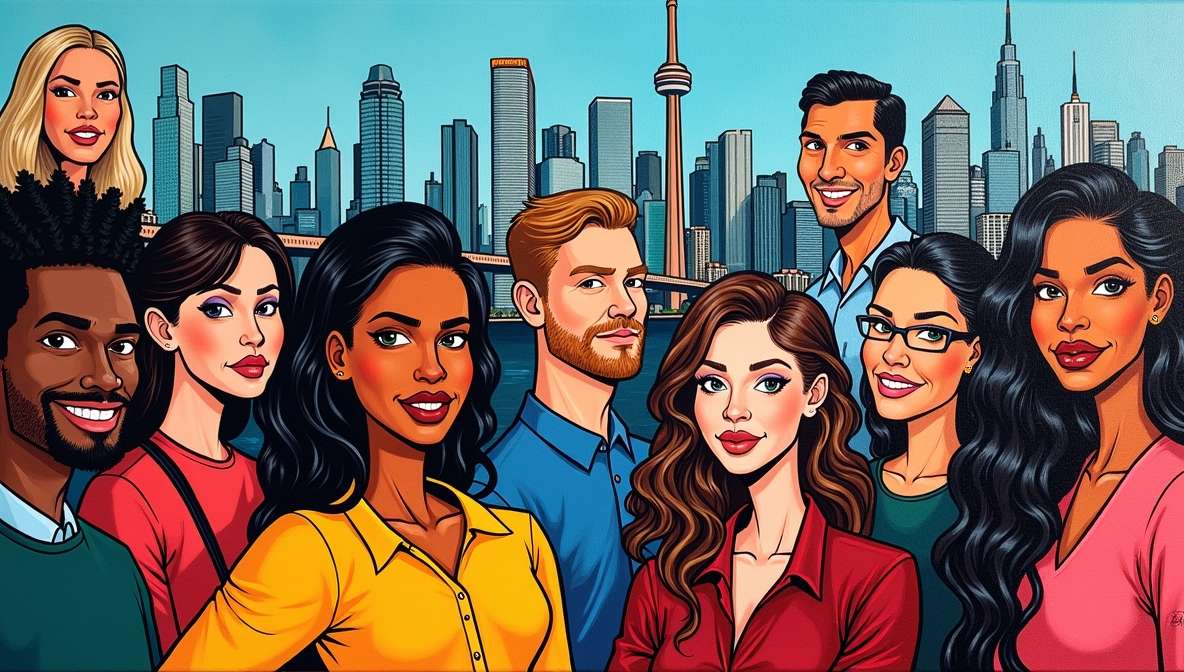
Toronto sprawls across Lake Ontario like Canada’s attempt at creating New York City but with better public transit and worse weather, a metropolis that has convinced 3 million people (6 million metro) that living in Canada’s most expensive city while enduring winters that make you question your ancestors’ settlement decisions represents reasonable lifestyle choice. This self-proclaimed “centre of the universe” according to Torontonians who haven’t left Toronto enough to realize that other cities exist and function quite well despite not being Toronto, features glass condo towers rising like expensive tombstones marking where affordable neighborhoods died, a skyline dominated by CN Tower that serves primarily as reminder of 1970s engineering and tourist trap that locals avoid unless hosting visiting relatives who insist on expensive restaurant with rotating views.
The Housing Crisis: Vancouver’s East Coast Competitor
Toronto real estate operates on economic principles that make purchasing property impossible for anyone not inheriting wealth, earning tech salaries, or willing to accept mortgage debt that requires dual professional incomes and prayers that interest rates stay low and employment stays stable for 25+ years. The average home price exceeds $1.1 million, with detached houses in desirable neighborhoods costing $2-3 million, creating markets where doctors, lawyers, and engineers cannot afford homeownership without family assistance or exotic financial instruments that previous generations didn’t require because houses cost reasonable multiples of annual income rather than requiring decades of debt servitude.
The condo boom transformed Toronto skyline while creating housing stock that’s either efficient urban density or poorly built investment units depending on whether you’re developer marketing units or resident discovering that walls are so thin you hear neighbors’ conversations and building quality reflects construction methods prioritizing speed and profit over durability and livability. The pre-construction condo market attracts investors treating housing as speculation vehicle, creating situations where units get flipped multiple times before completion and eventual occupants pay inflated prices reflecting speculation profits rather than actual construction costs. According to Toronto Star, various government interventions including foreign buyer taxes and rent control exemptions for new builds have failed to meaningfully address affordability, demonstrating that once housing becomes financialized asset class, returning it to basic shelter requires interventions that property-owning voting majority resists because their wealth depends on maintaining prices that make housing unaffordable for younger generations and immigrants who weren’t lucky enough to buy before prices exploded.
The Rental Market: Where $2,500 Gets You a Bachelor
Toronto’s rental market operates with vacancy rates near zero and prices that make spending half your income on rent normal rather than warning sign of unsustainable financial situation, creating environment where landlords can demand first/last month plus references, employment letters, credit checks, and possibly blood samples for privilege of renting basement apartment that floods occasionally and features charming exposed pipes and creative definitions of “recently renovated.” The average one-bedroom rent exceeds $2,400 monthly, with two-bedrooms commanding $3,000+, making roommates necessary for everyone except highly-paid professionals and people whose parents subsidize their Toronto living expenses.
The Winters: Where -30 Windchill Builds Character
Toronto winters operate on principle that geographic proximity to Arctic creates climate that tests human endurance and makes you question why early settlers didn’t continue south to somewhere reasonable, delivering temperatures that regularly drop below -20°C with windchills reaching -30°C or colder, creating conditions where exposed skin freezes within minutes and going outside requires layering that makes movement awkward and looking attractive impossible. The winters last November through March with occasional April snow storms that make you question meteorology as science versus cruel joke, creating extended periods where outdoor activities become survival challenges rather than recreation.
The city’s response to snow involves deploying plows that push snow into massive piles blocking sidewalks and burying parked cars, creating navigation challenges for pedestrians who must walk in streets because sidewalks are impassable and drivers who must excavate vehicles from snow banks that freeze into ice formations requiring serious tools or acceptance that car stays buried until spring melt. The TTC struggles with cold weather despite occurring annually, creating transit delays that are either weather-caused or just TTC being TTC depending on whether you’re transit commission making excuses or riders who know that somehow Scandinavian cities manage winter transit without constant failures. According to Environment Canada, Toronto winters are objectively harsh with average January temperatures around -6°C but feeling much colder due to wind and humidity that creates cold that penetrates clothing and souls, making seasonal depression common and migration to Florida understandable for those who can afford escaping Canadian winter through financial privilege of owning second homes or retiring somewhere that doesn’t require snow shoveling as regular exercise.
The TTC: Better Than American Transit But That’s Not Saying Much
The Toronto Transit Commission operates subways, streetcars, and buses creating public transit network that’s either excellent by North American standards or merely adequate by global standards depending on whether you’re comparing to American car-dependent cities or Asian/European systems that shame Toronto’s aging infrastructure and service quality. The subway system features two main lines that don’t adequately serve growing city, creating situations where substantial portions of Toronto lack rapid transit access and rely on slow buses or streetcars that get stuck in traffic because the city won’t implement dedicated lanes that would reduce car capacity and anger drivers whose political influence exceeds transit riders despite riders outnumbering drivers on major corridors.
The streetcars operate on tracks that have existed since 1920s on routes that haven’t significantly changed despite city growing around them, creating heritage transit that’s either charming historical continuity or stubborn refusal to adapt to modern needs depending on whether you appreciate tradition or prefer functional transportation. The system suffers from chronic underfunding that creates delays, crowding, and equipment failures that are either inevitable infrastructure challenges or preventable maintenance issues that proper investment would address, with both explanations probably true simultaneously because Toronto chronically underfunds transit while also facing legitimate challenges of maintaining aging systems. According to TTC, ridership numbers justify system’s existence and expansion, though funding mechanisms rely on fare revenue and limited government subsidies that are insufficient for maintaining current service quality let alone expanding to serve growing population, creating situations where transit advocates correctly argue for more funding while taxpayers reasonably question why existing budgets don’t deliver better service, with both sides somewhat right and solutions requiring political will that remains elusive.
The Multiculturalism: Where Half the City Wasn’t Born in Canada
Toronto’s diversity results from immigration policies that made Canada’s largest city destination for immigrants from everywhere, creating demographics where over half the population was born outside Canada and over 200 languages are spoken, making Toronto genuinely multicultural rather than just marketing slogan that cities with two ethnic restaurants claim. The diversity creates extraordinary food scene where authentic cuisine from virtually every region exists and neighborhoods maintain distinct cultural characters that are either vibrant ethnic enclaves or segregated communities depending on whether you’re celebrating diversity or noting that multiculturalism doesn’t automatically create integration.
The diversity also creates tensions around integration, language, and cultural practices that challenge Canadian multiculturalism mythology suggesting everyone gets along harmoniously, revealing that people from different backgrounds sometimes have incompatible values and expectations that tolerance doesn’t automatically resolve. The city’s response emphasizes accommodation and celebration of differences while sometimes avoiding difficult conversations about what shared civic culture should mean when residents come from places with fundamentally different norms around gender equality, religious freedom, and individual rights. According to City of Toronto data, the diversity is both strength bringing economic and cultural benefits and challenge requiring ongoing efforts to build social cohesion across communities that sometimes have limited interaction beyond economic transactions, creating city that’s simultaneously model of successful immigration and work-in-progress regarding actual integration that goes beyond peaceful coexistence to genuine community building across difference.
The Food Scene: Where Every Cuisine Costs $20 for Lunch
Toronto’s food scene benefits from diverse immigrant populations maintaining authentic cuisines, creating restaurant landscape where you can find excellent Ethiopian, Sri Lankan, Chinese, Italian, Portuguese, and Caribbean food among hundreds of options representing every cuisine humans have invented. The food quality ranges from exceptional to mediocre with everything priced like it’s exceptional regardless of actual quality, creating situations where good cheap food exists but requires knowing where to look while expensive mediocre food proliferates in areas with high rents and wealthy demographics who apparently don’t notice they’re overpaying for underflavored dishes.
The restaurant scene operates with high failure rates as new establishments open with optimism and close within years when rent, labor costs, and slim margins make profitability impossible despite charging $18 for burgers and $15 for basic pasta dishes. The survivors either found optimal cost-quality-location combinations or serve demographics willing to pay premium prices for atmosphere and Instagram opportunities rather than primarily food quality. According to Toronto food blogs, the restaurant scene constantly churns with new openings replacing closures, creating dynamic landscape that’s either exciting culinary innovation or exhausting churn where you can’t develop favorite restaurants because they close before becoming institutions, making dining out in Toronto simultaneously offer world-class options and require constant research to identify which establishments are actually good versus just new and trendy and destined to close once hype fades and reality of Toronto restaurant economics crushes another entrepreneur’s dreams.
The Neighborhoods: Geographic Class Segregation
Toronto neighborhoods demonstrate clear economic stratification where postal codes predict income, education, and life expectancy with accuracy suggesting that where you live determines life outcomes more than individual effort or talent, creating geographic inequality that challenges meritocracy mythology. Rosedale, Forest Hill, and Lawrence Park feature mansions and wealthy residents who either earned their money or inherited it, probably the latter given that accumulating sufficient wealth to afford $5 million homes requires either extraordinary success, inheritance, or getting into real estate before prices exploded.
The downtown core features condos housing young professionals, students, and urban enthusiasts willing to pay premium prices for walkability and proximity to jobs and entertainment that car-dependent suburbs lack, creating lifestyle choice that’s either sophisticated urbanism or paying more to live in smaller spaces depending on whether you value urban amenities over square footage and whether you can actually afford it versus stretching budgets to breaking points. The inner suburbs contain high-rise apartment towers housing working-class and immigrant families who cannot afford anything closer to core, creating communities that are either vibrant diverse areas or neglected neighborhoods lacking investment and services that wealthier areas take for granted. According to Toronto data, neighborhood inequality is increasing as central areas gentrify and peripheral areas concentrate poverty, creating two-tier city where some areas feature artisan coffee shops and organic grocery stores while others have food deserts and limited services, demonstrating that growth doesn’t benefit everyone equally and market-driven development creates winners and losers geographically concentrated in ways that perpetuate inequality across generations.
The PATH: Underground City Where You Can Avoid Winter
Toronto’s PATH system offers 30 kilometers of underground walkways connecting office buildings, shopping malls, and transit stations, creating climate-controlled pedestrian network that allows avoiding surface weather entirely for those whose work and homes connect to system. The PATH is either brilliant urban planning accommodating harsh climate or depressing evidence that Toronto winters are so unpleasant that building parallel underground city became necessary solution to make downtown functional year-round, probably both simultaneously because acknowledging that climate requires underground infrastructure doesn’t diminish the utility of having that infrastructure.
The PATH serves office workers during weekdays and becomes somewhat deserted evenings and weekends when offices close and underground transforms into liminal space that’s either peaceful or eerie depending on tolerance for empty corridors and fluorescent lighting. Navigation requires understanding that the PATH color-coding system makes sense to someone but probably not you, creating situations where getting lost underground becomes legitimate possibility that GPS doesn’t help because satellites don’t penetrate concrete and you’re essentially in maze hoping that continuing forward eventually leads somewhere rather than deeper into underground retail complexes. According to City of Toronto, the PATH is world’s largest underground shopping complex, serving 200,000 daily users who appreciate not freezing during winter commutes, though system’s commercial focus means that experiencing it requires navigating through retail spaces that blur lines between public infrastructure and private shopping mall, creating somewhat dystopian environment where avoiding weather requires accepting that your pedestrian route goes through stores hoping you’ll impulse purchase while trying to get to work.
The CN Tower: Expensive Heights and Tourist Crowds
The CN Tower dominates Toronto’s skyline as 553-meter telecommunications tower that became tourist attraction charging $40+ for elevator ride to observation deck where you can see Toronto from height that’s either breathtaking or just expensive depending on whether views justify admission prices that rival actual entertainment rather than just standing at windows looking at city you could see from ground for free. The tower features glass floor sections where visitors can stand and look down, creating experiences that are either thrilling or anxiety-inducing depending on your relationship with heights and faith in structural engineering of glass panels that definitely won’t break but your primal brain insists might.
The revolving restaurant offers fine dining with 360-degree views over 72-minute rotation, creating meals where your table position constantly changes and prices reflect captive audience in iconic location rather than food quality that doesn’t justify costs but people pay anyway because they’re tourists or hosting visitors who want to go despite locals knowing better. The EdgeWalk allows walking outside on platform circling tower’s roof, creating experience that’s either bucket-list adventure or paying to terrify yourself depending on whether you enjoy being tethered to building hundreds of meters above ground in winds that make standing upright challenging. According to CN Tower, millions visit annually, creating Toronto’s most recognizable attraction that locals mostly ignore except when they need dramatic backdrop for photos or have visiting relatives who insist on experiencing Toronto’s tourist offerings despite locals explaining that actual Toronto exists elsewhere at ground level and costs less money.
The Sports Teams: Consistent Disappointment Across Leagues
Toronto sports culture revolves around Maple Leafs with intensity that’s either admirable loyalty or baffling dedication to team that hasn’t won Stanley Cup since 1967, creating generations of fans whose entire lives have passed without championship success and yet they continue paying exorbitant ticket prices and watching games with hope that’s either eternal optimism or mild insanity. The Leafs play in Scotiabank Arena where nosebleed seats cost $100+ and good seats require small fortunes or corporate expense accounts, making live hockey accessible primarily to wealthy fans and corporate entertainment budgets rather than regular people who love team but cannot justify costs.
The Raptors won NBA championship in 2019, briefly giving Toronto fans championship experience and proving that Toronto teams can occasionally win despite historical evidence suggesting otherwise. The Blue Jays play baseball at Rogers Centre where retractable roof allows playing in climate that’s often unsuitable for outdoor sports, creating engineering solution to geographic problem of hosting baseball in city where April and September games would frequently face snow delays without protective dome. According to sports media, Toronto fans maintain passionate support despite frequent disappointment, creating sports culture that’s either commendable loyalty or sunk cost fallacy where decades of investment make abandoning teams psychologically impossible even when rational analysis suggests that maybe cheering for teams that consistently disappoint is unhealthy behavior pattern that should be reconsidered, though suggesting that to Toronto sports fans will get you hostile reception because sports fandom isn’t about rational choices and telling people their emotional investments are irrational just makes them double down on commitments.
The Drake Effect: When Rapper Becomes City Ambassador
Drake’s success transformed Toronto’s cultural profile from city Americans couldn’t locate on maps to place they know exists because rapper won’t shut up about it, creating situation where Toronto’s international recognition owes substantial debt to artist who branded city as “The Six” and made Toronto references ubiquitous in popular culture. Drake’s influence manifests in tourism where visitors come partially because rapper made Toronto seem cool and worthy of visiting rather than just cold Canadian city that Americans had vague awareness existed somewhere north of border.
The relationship is either mutually beneficial cultural promotion or mildly embarrassing dependence on celebrity for civic identity, probably both because Drake genuinely loves Toronto and his success helped city but also suggests that Toronto needed Drake’s marketing to achieve cultural relevance that it lacked independently. The city’s embrace of Drake ranges from genuine appreciation to opportunistic association where civic leaders mention him to signal Toronto’s coolness to audiences who otherwise might not think anything about Toronto beyond polite Canadians and harsh winters. According to cultural commentary, Drake’s impact on Toronto is undeniable if somewhat difficult to quantify, creating cultural moment where rapper and city became intertwined in ways that benefit both through association that elevated Toronto’s profile while Drake maintains hometown connection that provides authenticity and cultural cachet that generic celebrity without geographic roots cannot claim.
Conclusion: The City That’s Expensive But You’ll Stay Anyway
Toronto remains Canada’s largest and most expensive city, offering opportunities, diversity, and cultural amenities that attract residents despite costs that make comfortable living increasingly impossible without high incomes or generational wealth. Visitors leave either impressed by cosmopolitan diversity and urban energy or shocked by prices that exceed American cities without delivering proportional quality of life improvements, probably both because Toronto simultaneously offers genuine advantages and costs that make enjoying those advantages require financial resources many lack. The city’s greatest challenge is maintaining livability as growth and financialization transform housing from basic need to luxury commodity, creating inequality where Toronto’s prosperity benefits property owners and high earners while everyone else struggles with costs that grow faster than wages. Come for opportunities and diversity, stay because despite complaints about cost and weather and TTC delays, Toronto offers career possibilities and cultural experiences smaller Canadian cities lack, leave when you calculate that similar quality of life costs half as much elsewhere and maybe living somewhere warmer and more affordable makes sense, or stay because despite everything, Toronto provides urban lifestyle that works until it doesn’t and that breaking point varies individually based on career success, family situation, and tolerance for spending substantial portions of income on housing while complaining about it over expensive drinks at bars you can’t really afford but attend anyway because that’s what living in Toronto requires–accepting that everything costs too much and winter lasts too long but somehow you’ll stay because leaving means admitting that maybe other places are actually better and Torontonians cannot psychologically accept that possibility because they’ve invested too much in believing Toronto is centre of Canadian universe despite everyone else knowing it’s just biggest city with biggest ego and biggest housing costs and that those three things are probably related in ways that Torontonians won’t acknowledge but everyone else recognizes immediately.
