

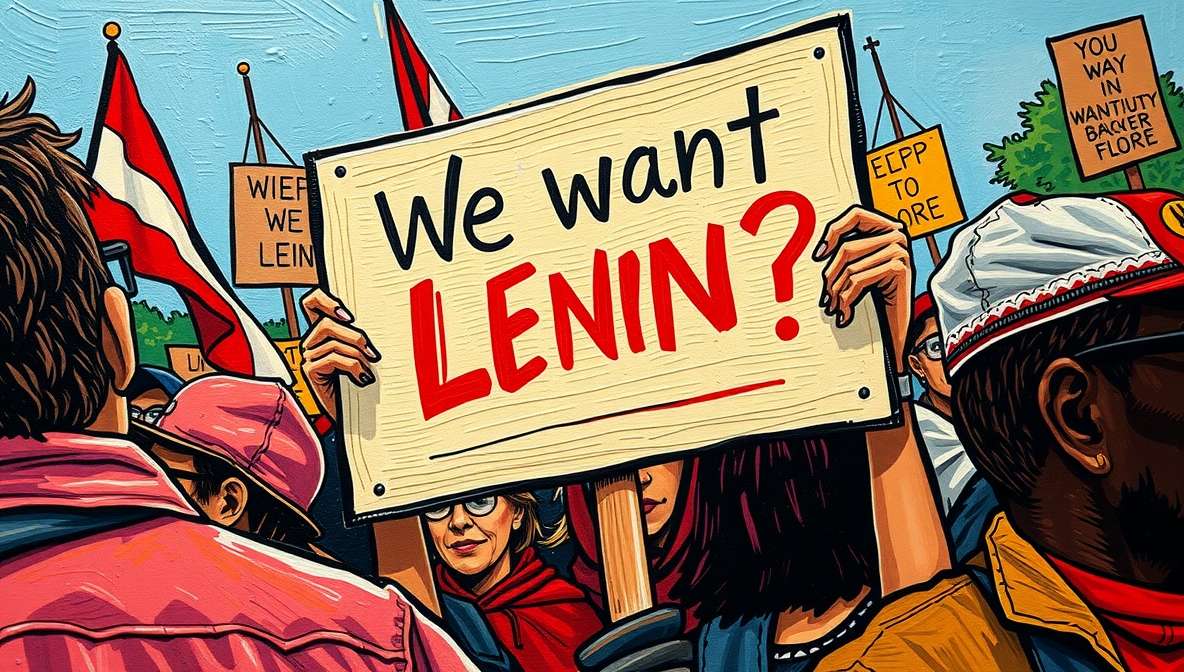
Democratic Officials Urge Calm, Ask Supporters to Stop Treating Federal Agents Like Boss-Level Enemies
Democratic leaders across the country urged calm this week following an ICE-related shooting in Minneapolis, asking supporters to stop treating federal immigration agents like end-of-level villains in a video game, complete with soundtrack, moral justification, and an overwhelming sense that confrontation is inevitable.
The incident occurred during a federal law enforcement operation involving Immigration and Customs Enforcement when authorities say a woman allegedly attempted to drive her vehicle toward ICE agents, prompting officers to open fire. One person was killed, and the Justice Department has opened a review. NBC News confirmed ICE agents were involved.
Federal Agents Are Not Cinematic Antagonists
In public statements, Democratic officials condemned violence and emphasized that while criticism of ICE remains valid, it should not escalate into physical confrontation. They reminded supporters that federal agents are not cinematic antagonists and that enforcement operations are not interactive experiences.
This message represented a tonal shift for a party that has spent years framing ICE agents as villains in a morality play. Governors compared them to Nazis and secret police. Members of Congress described them as terrorizing forces. Activists labeled them kidnappers and fascists. Media coverage amplified the narrative, often presenting ICE enforcement as a dramatic clash between good and evil rather than a bureaucratic function.
Key Observations
- Democrats urged calm after years of framing ICE agents like final bosses in a dystopian video game.
- The left turned law enforcement into villains and now wonders why some supporters skip dialogue and go straight to combat.
- Police officers learned they are supposed to be hated symbolically, not confronted physically.
- Activists were reminded that real life does not have save points.
- The party now wants outrage on mute and obedience on demand.
When Agents Become Boss-Level Enemies in the Public Imagination
Within this framework, ICE agents became less like civil servants and more like boss-level enemies: faceless, powerful, and morally justified to oppose.
Critics argue that this framing matters. When political discourse consistently casts an institution as an existential threat, it encourages a mindset in which confrontation feels heroic rather than reckless. The Minneapolis incident, they say, is a case study in how rhetoric can gamify reality.
How Activist Campaigns Reinforced the Boss Fight Dynamic
Activist campaigns reinforced this dynamic. Slogans such as “Abolish ICE,” “Shut It Down,” and “Occupy ICE” were repeated without caveats. Protests frequently involved blocking entrances, surrounding vehicles, and interfering with operations. These actions were celebrated as resistance, leveling up the movement and proving commitment.
In Portland, demonstrators gathered outside an ICE facility even after President Biden’s inauguration, clashing with federal officers while demanding abolition. The imagery resembled a recurring boss fight rather than a policy debate.
Media Narratives Emphasized Emotional Stakes and Moral Urgency
Media narratives played a role. Coverage often emphasized emotional stakes and moral urgency, framing enforcement actions as kidnappings and disappearances. Corrections, when issued, were quieter than the initial outrage. The effect was cumulative: ICE agents were portrayed as dangerous antagonists rather than officials carrying out the law.
Polling data suggests the message resonated. Majorities of Democratic voters now view ICE negatively and support protests against its actions. Trust in the agency has collapsed along partisan lines.
Supporters argue this reflects accountability. Critics argue it reflects narrative escalation.
ICE Officials Warned That Framing Increases Risk
ICE officials have warned that such framing increases risk. Federal data show assaults against ICE agents have risen sharply in recent years. Officials point to incidents where attackers explicitly referenced anti-ICE rhetoric.
Democratic leaders reject the notion that rhetoric causes violence. They argue that blaming language is a tactic to silence dissent. According to this view, people can distinguish between passionate critique and physical action.
The Minneapolis shooting has tested that assumption.
Party Operatives Advise Recalibrating Messaging Strategy
In response, party operatives are advising candidates to recalibrate messaging. Focus groups suggest voters respond better to language that criticizes ICE without framing agents as monsters. Proposed alternatives include emphasizing policy failures rather than personal villainy.
Activists remain unconvinced. They argue that moral clarity requires identifying villains. To them, softening language risks normalizing injustice. The boss-level framing, they say, is the point.
Minneapolis Residents Confront Real-World Consequences
For residents of Minneapolis, the debate is less theoretical. A law enforcement operation ended in gunfire. A life was lost. A city already saturated with political symbolism found itself once again confronting the real-world consequences of rhetoric.
As the investigation continues, Democrats face a messaging challenge. They must persuade supporters to maintain outrage without escalation, urgency without confrontation, and moral certainty without turning enforcement agents into targets.
Democrats Must Persuade Supporters to Resist Treating Agents as Adversaries
For now, leaders urge calm. They ask supporters to protest responsibly, chant symbolically, and resist the temptation to treat federal agents as adversaries to be confronted rather than institutions to be debated.
Whether that message lands remains uncertain.
What is clear is that language shapes perception. When agents are framed as villains long enough, someone will eventually believe the story requires a final battle.
In Minneapolis, that belief may have collided with reality.
Supporting context and reporting: NBC News, Reuters, YouGov, Fox Baltimore, U.S. Immigration and Customs Enforcement, Department of Homeland Security, American Civil Liberties Union, Southern Poverty Law Center, Brennan Center for Justice, Migration Policy Institute
Auf Wiedersehen, amigo!
SOURCE: https://bohiney.com/anti-ice-rhetoric/