

Where Instagram Went to Photograph Tourists Photographing Lakes
Banff: The Mountain Town Where Nature Costs Park Fees and Parking is Impossible
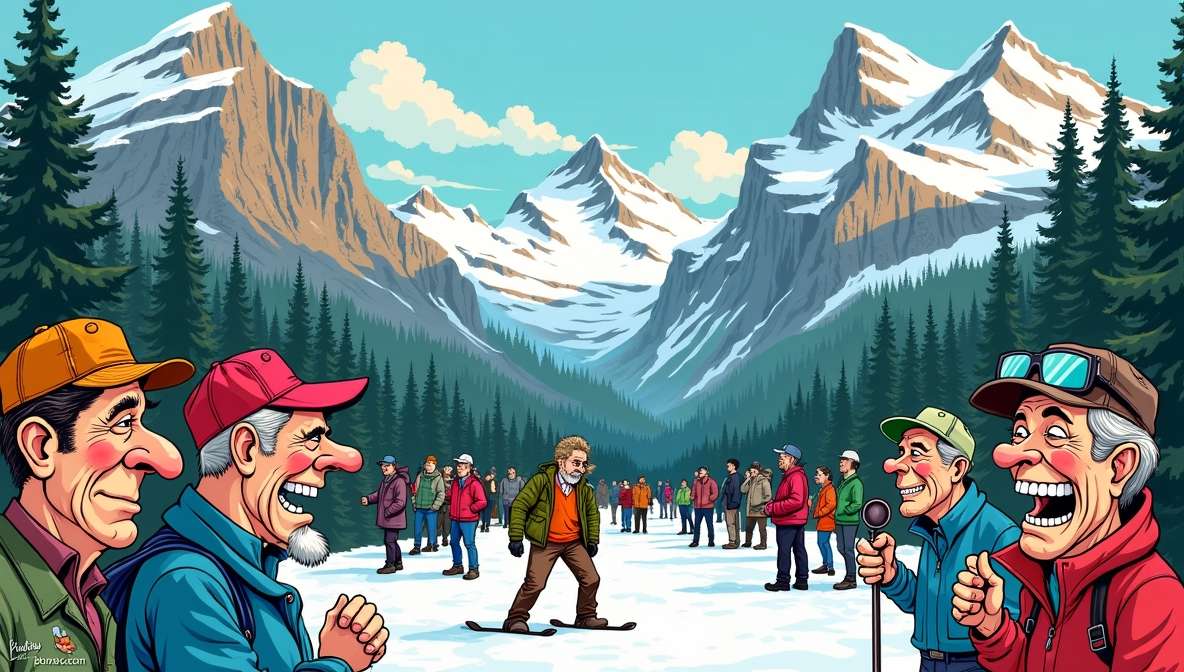
Banff sprawls through the Canadian Rockies like a postcard that became too popular for its own good, a mountain town that has transformed from quiet alpine village to international tourist destination where finding parking requires arriving before dawn and experiencing nature means navigating crowds of people experiencing the same nature simultaneously. This UNESCO World Heritage Site offers genuinely spectacular mountain scenery that would be perfect if not for the millions of visitors who also read that Banff offers spectacular scenery and decided to visit during the same weekend you did. The town itself features Swiss chalet architecture housing luxury hotels, outdoor gear shops, and restaurants serving $18 burgers to tourists who’ll pay anything because alternatives involve driving to Calgary and missing precious mountain time.
Lake Louise: The Turquoise Lake That Broke Instagram
Lake Louise represents Banff’s most famous attraction and crowding problem, a glacier-fed lake featuring turquoise water so photogenic that it appears in millions of Instagram posts, travel magazines, and dreams of people planning Canadian Rockies trips. The lake’s distinctive color results from glacial flour suspended in water, creating optical effects that are either remarkable natural phenomena or just fancy way of saying “cloudy water that looks pretty” depending on your appreciation for geological explanations versus simple aesthetic enjoyment. The lakefront features Fairmont Chateau hotel, a castle-like structure where rooms cost more per night than many people earn in weeks, creating accommodations that are either worth the splurge for once-in-lifetime mountain luxury or absurdly overpriced lodging that benefits primarily from monopolistic lakefront location.
Accessing Lake Louise requires either arriving extremely early, accepting long walks from distant overflow parking, or paying for expensive shuttle services, creating barriers to experiencing public natural wonder that theoretically belongs to everyone but practically requires either dedication, money, or both. The crowds transform serene alpine lake into outdoor festival where finding space for photos requires patience and willingness to crop out other tourists from shots, creating images suggesting isolated communion with nature that completely misrepresent actual experience of being surrounded by hundreds of other photographers. According to Parks Canada, Lake Louise attracts over 4 million visitors annually, creating traffic jams, parking shortages, and environmental pressures that require management strategies including reservation systems, restricted access, and increased fees that attempt to balance conservation with access while inevitably frustrating visitors who traveled far to discover they can’t actually visit without advance planning.
Moraine Lake: The Slightly Less Crowded Alternative That’s Also Extremely Crowded
Moraine Lake offers another turquoise glacial lake featuring dramatic mountain backdrop called the Valley of Ten Peaks, creating scenery that appeared on old Canadian $20 bills and countless travel photos convincing people that visiting is essential bucket-list experience. The lake road closes in winter and parking fills quickly in summer, creating access challenges that mean experiencing this natural wonder requires either early morning arrival, shuttle rides, or acceptance that maybe you’ll just see it in photos rather than person, which honestly might be preferable to the parking stress and crowds that actual visiting involves. The famous viewpoint requires short steep walk that separates casual tourists from those motivated enough to climb for photos, creating natural crowd filter through mild physical exertion.
The Town of Banff: Where Switzerland Meets Strip Mall
Banff townsite occupies valley surrounded by mountains, creating setting so picturesque that the town could probably charge admission for existing except it already charges through inflated prices for everything from accommodations to groceries to parking that costs more than admission to actual attractions in less scenic locations. Banff Avenue features shops selling outdoor gear, Canadian souvenirs, and expensive dining options catering to international tourists who apparently don’t mind paying $30 for pasta because they’re on vacation in mountains and budget concerns get suspended when surrounded by spectacular scenery.
The town maintains careful aesthetic controls ensuring buildings fit alpine theme, creating visual harmony that’s either admirable planning or artificial tourism staging depending on whether you appreciate consistent architecture or find manufactured quaintness somewhat soulless. The population of 8,000 swells to many times that with tourists and seasonal workers, creating town that feels more like theme park than residential community, with locals priced out of housing that caters increasingly to short-term vacation rentals and wealthy buyers treating Banff real estate as investment property rather than homes. According to Town of Banff, housing challenges create worker shortages as hospitality industry employees cannot afford living in town they serve, creating commutes from Canmore or Calgary that defeat the purpose of mountain town living and demonstrate that tourism success creates unintended consequences including making destinations unlivable for the workers who enable tourism industry.
The Wildlife: Where Elk Have Better Parking Than You
Banff National Park hosts diverse wildlife including elk, bears, bighorn sheep, and mountain goats that are either magnificent natural heritage or traffic hazards depending on whether you’re photographing them from safe distance or encountering them on hiking trails where proper protocol determines whether experience becomes memorable wildlife sighting or Darwin Award nomination. The elk wander through Banff town with entitlement suggesting they understand this was their territory before humans arrived and they’re merely tolerating temporary human presence, creating situations where elk bed down in town parks and residents must navigate around them because moving elk is prohibited and frankly elk are large enough that suggesting they move seems inadvisable regardless of regulations.
Bears require careful management including closed trails during berry season, bear-proof garbage containers, and constant reminders that feeding wildlife is illegal and dangerous, creating guidelines that most visitors follow and some ignore until Park Rangers intervene or natural consequences teach lessons more effectively than warning signs. The wildlife encounters are both Banff’s major attraction and potential danger, with tourists treating animals like photo opportunities rather than wild creatures capable of causing serious injury, creating need for education campaigns reminding people that moose are not cuddly despite looking somewhat like large adorable horses. According to Parks Canada wildlife management, human-wildlife conflicts occur regularly despite regulations and warnings, demonstrating that combining large numbers of visitors with wild animals creates inevitable tensions that management mitigates but cannot eliminate, requiring ongoing education and enforcement that protects both visitors and wildlife from dangerous encounters resulting from poor judgment and photography ambitions overriding common sense.
The Icefields Parkway: Where Every Viewpoint Has Tour Buses
The Icefields Parkway connects Banff to Jasper through 230 kilometers of spectacular mountain scenery, creating one of world’s most scenic drives that everyone knows about and therefore experiences simultaneously with hundreds of other drivers stopping at same viewpoints for same photos. The road features numerous glaciers, waterfalls, and viewpoints that are either remarkably accessible natural wonders or overcrowded photo stops where experiencing nature means waiting for tour buses to finish unloading passengers who’ll photograph viewpoints for five minutes before reboarding and driving to next stop.
The Columbia Icefield offers glacier tours via massive ice explorer vehicles that transport tourists onto ancient ice while guides explain glacial retreat and climate change impacts, creating educational experiences about environmental destruction that tourists participate in through carbon emissions from flights and drives required to visit, creating somewhat ironic situation where learning about climate change requires contributing to climate change through tourism activities that helicopter tours and glacier vehicle emissions don’t exactly help. According to Icefields Parkway operators, the route attracts hundreds of thousands of vehicles annually, creating traffic congestion at popular stops and environmental impacts from visitor volumes that exceed original infrastructure capacity, requiring ongoing management that balances access with conservation in situations where both sides can legitimately claim insufficient accommodation of their priorities.
The Skiing: Where Powder Meets Pricing
Banff area features three ski resorts–Lake Louise, Sunshine Village, and Mt. Norquay–offering world-class skiing with mountain views and lift ticket prices that suggest skiing is exclusively for wealthy people or those willing to sacrifice other budget categories for mountain access. The resorts receive abundant snowfall and maintain long seasons, creating skiing conditions that are genuinely excellent assuming you can afford day tickets costing $150+ or season passes requiring commitment and funds that make skiing substantial financial investment rather than casual recreation.
The skiing attracts international visitors and wealthy Canadians who can afford luxury resort experiences, creating slopes where you’re as likely to hear Australian accents as Canadian and parking lots feature expensive vehicles suggesting that skiing demographics skew toward people who don’t check prices before booking vacations. The resorts offer terrain for all abilities, though beginner slopes still require lift tickets at expert prices, creating situations where learning to ski costs as much as expert skiing, which seems economically backwards but reflects that mountains charge for access regardless of your skill level or actual mountain usage. According to Banff ski resort data, the skiing industry drives winter tourism that balances summer park visitors, creating year-round economy that benefits from seasonal attractions while creating consistent crowding that makes finding uncrowded experiences increasingly impossible regardless of season.
The Hot Springs: Where Nature Provides Warm Water and Tourists Provide Company
Banff Upper Hot Springs offers mineral pool where visitors can soak in naturally heated water while viewing mountains, creating experience that’s either relaxing mountain therapy or crowded public pool with mountain backdrop depending on time of day and tolerance for sharing hot springs with dozens of strangers in close proximity. The springs maintain consistent temperature around 37°C through geothermal heating, creating comfortable soaking that’s genuinely pleasant assuming you accept that hot springs experience involves more people-watching than nature contemplation because people significantly outnumber nature when you’re in developed pool rather than natural spring.
The historic Banff Springs Hotel features its own spa and hot springs access, offering luxury alternatives to public pools for visitors willing to pay premium prices for fewer crowds and better amenities, creating tiered access where wealth determines quality of hot springs experience rather than everyone sharing equally in natural resource. The hot springs represent commodification of natural features where something occurring naturally becomes revenue generator through development that makes access easier while fundamentally changing experience from natural phenomenon to managed attraction. According to Banff hot springs, the facilities attract hundreds of thousands of visitors who come specifically for hot springs that are admittedly one of few paid natural attractions that actually deliver promised experiences, though whether soaking in crowded pool justifies admission fees remains subjective based on personal preferences for human density in relaxation environments.
The Gondolas: Paying to Rise Above It All
Banff Gondola and Lake Louise Gondola offer aerial access to mountain peaks, eliminating need for strenuous hiking while also eliminating satisfaction of reaching summits through personal effort, creating experiences that are either efficient mountain access or cheating depending on your philosophy about earning views versus purchasing them. The gondolas charge substantial fees for eight-minute rides delivering passengers to summit restaurants and viewpoints, creating pricing that’s either fair value for engineering and maintenance of mountain infrastructure or excessive charge for brief elevator ride in different direction.
The summit experiences include interpretive centers, restaurants, and viewpoints that are either excellent facilities enhancing visits or unnecessary commercialization of natural areas depending on whether you believe mountain summits should feature dining options or remain undeveloped wilderness. The gondolas make mountains accessible to people unable or unwilling to hike, creating democratic access that’s positive or contributing to overcrowding that’s negative, probably both simultaneously because expanding access benefits individuals while potentially harming collective experience through increased visitation. According to gondola operators, the facilities transport hundreds of thousands annually to summits, generating revenue that funds operations while creating summit crowding that makes reaching top via gondola or hiking deliver similar crowded experiences, suggesting that maybe mountain summits have capacity limits that both access methods collectively exceed.
The Real Estate: Where Mountain Views Cost Mountain Money
Banff real estate operates under special regulations limiting who can purchase property, with restrictions requiring buyers to live in Banff substantial portions of year, creating rules attempting to preserve housing for residents versus investors and vacation homeowners. Despite restrictions, property costs remain astronomical with limited supply and high demand creating markets where modest homes sell for millions, pricing out workers and creating housing crisis where hospitality industry cannot find affordable housing for employees needed to serve tourist industry driving economy.
Canmore serves as overflow community where Banff workers live when Banff housing proves impossible to afford, creating bedroom community relationship where service workers commute to jobs in tourist town they cannot afford to live in, demonstrating that tourism economies create prosperity that doesn’t necessarily extend to workers enabling that prosperity. The housing challenges reflect broader mountain resort town problems where desirable locations attract wealth that displaces working populations, creating communities increasingly serving tourists rather than residents. According to Canadian real estate data, Banff and Canmore property prices continue rising despite regulations attempting to control speculation, demonstrating that limiting who can buy doesn’t sufficiently address limited supply that creates seller’s markets where available properties command premium prices regardless of buyer restrictions.
The Environmental Pressures: When Love Threatens What You Love
Banff National Park faces environmental pressures from visitor numbers that strain infrastructure, wildlife habitats, and natural systems that weren’t designed to accommodate millions of humans trampling through them annually. The park implements measures including restricted access, reservation systems, and increased fees attempting to manage visitation that threatens conservation mandates, creating tensions between access that parks are meant to provide and protection that preservation requires, with both sides legitimately arguing their positions while neither fully satisfied with compromises.
Wildlife corridors require protection from human development and activity, creating management challenges where animal movements and tourist desires conflict, typically resolved through restrictions that prioritize wildlife during critical periods like calving season or migration, creating access limitations that frustrate visitors who traveled far only to find trails closed for conservation purposes they intellectually support but emotionally resent when affecting their specific plans. According to Parks Canada, balancing conservation with visitor experience remains ongoing challenge requiring adaptive management that responds to changing conditions including climate change affecting glaciers and ecosystems that visitors come specifically to experience, creating urgency where melting glaciers become tourist attractions partly because they’re disappearing, creating feedback where tourism contributes to conditions threatening the features attracting tourists, creating unsustainable cycles requiring systemic changes beyond individual park management capabilities.
Conclusion: The Park Where Nature Became Commodity
Banff remains one of world’s most spectacular mountain landscapes that tourism has transformed from protected wilderness to managed attraction where experiencing nature requires reservations, fees, and acceptance that solitude is historical concept rather than current reality. Visitors leave either awed by scenery despite crowds or frustrated that famous beauty came with traffic jams, parking challenges, and prices that make mountain access feel more like exclusive commodity than public heritage. The park’s greatest challenge is preserving natural features while accommodating visitation demands that threaten those features, creating management dilemmas without perfect solutions because conservation and access exist in tension that compromises satisfy partially but please fully neither environmentalists wanting stricter limits nor tourists wanting easier access. Come for turquoise lakes and mountain peaks, stay for wildlife encounters and hiking, leave with beautiful photos and awareness that Banff’s popularity threatens the wilderness qualities making it special, but you’ll probably return anyway because despite crowds and costs, the Canadian Rockies deliver scenery that justifies frustrations, or plan better by visiting shoulder seasons and accepting that optimal Banff experiences require either perfect timing, substantial budgets, or acceptance that sometimes the best views come with crowds and maybe that’s okay because natural beauty remains spectacular even when shared with others who also appreciate what’s worth seeing, even if seeing it requires more logistics than nature experiences ideally should.
