

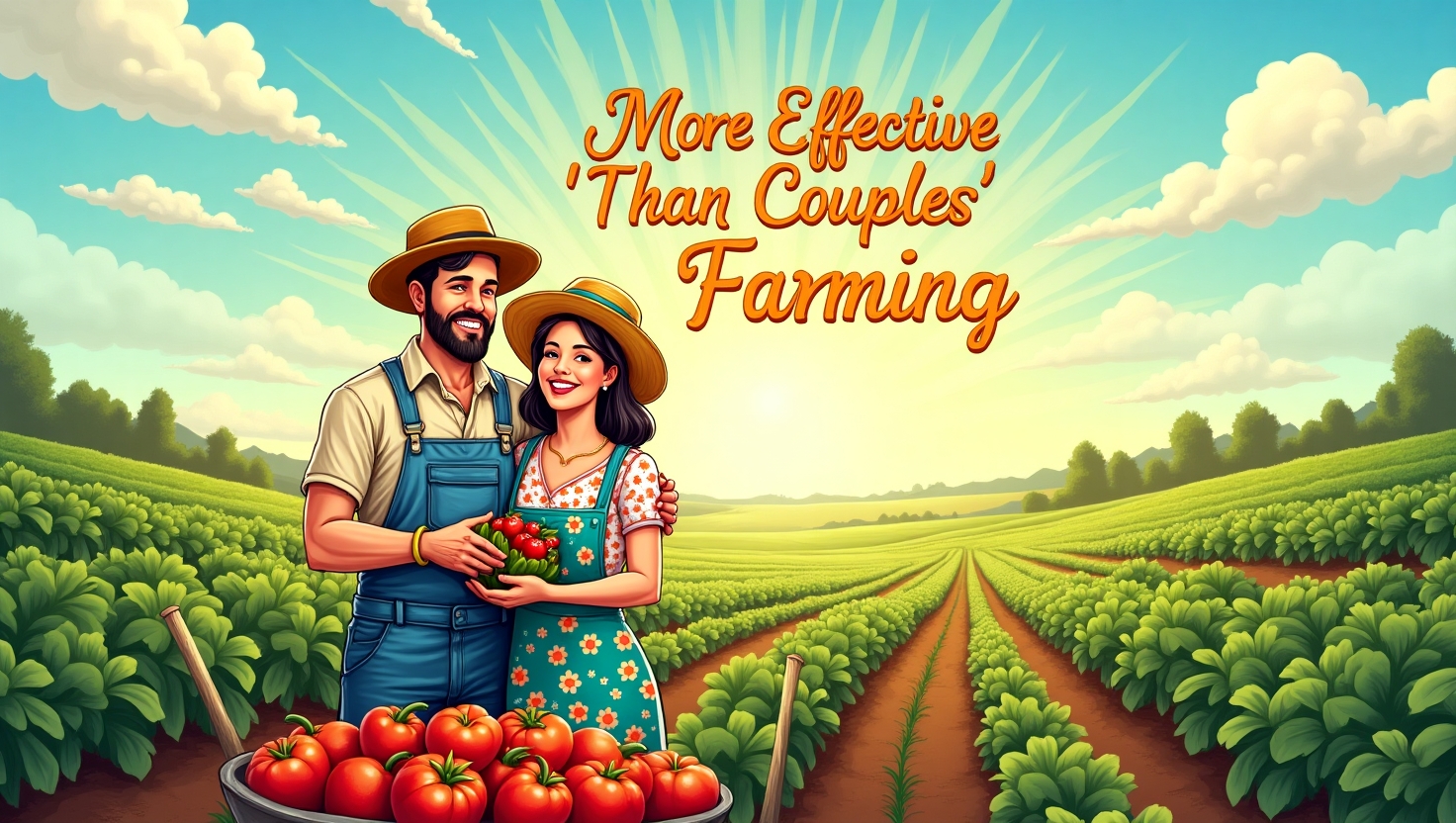
Forbes Cracks the Ranch Relationship Code: County Extension Psychologist Discovers That Understanding Your Partner Might Be More Effective Than Couples’ Farming
Revolutionary study suggests that treating significant other like actual person could outperform shared sunrise chores and synchronized equipment purchases
In what surely ranks among the most groundbreaking discoveries since someone determined that farming is consistently unpredictable regardless of how many weather apps you check, Forbes recently featured relationship research revealing that understanding—not compatible work ethics—is the secret ingredient that keeps ranch couples together. This earth-shattering revelation comes courtesy of psychologists who apparently spent years studying the radical concept that successful partnerships might benefit from basic human empathy rather than synchronized livestock management.
Dr. Mark Travers, a psychologist who has made a career out of stating the obvious with academic authority, has emerged as the relationship guru threatening to disrupt the entire “farming builds character” industrial complex by suggesting that couples should, prepare yourselves, actually like each other as people rather than just as unpaid farm labor who happen to share insurance coverage. This revolutionary insight challenges everything we thought we knew about modern rural romance, particularly the widely-held belief that sustainable love requires nothing more than compatible work schedules and shared reverence for the value of hard work.
The study, which undoubtedly required extensive funding that could have purchased several quality bulls, suggests that couples who view each other as friends rather than efficient farming partners tend to have more stable relationships. This shocking conclusion overturns decades of rural dating logic that prioritized land ownership and livestock management skills over minor details like “genuinely enjoying each other’s company when not discussing commodity prices.”
According to this groundbreaking research published in the prestigious Psychology Today, understanding functions as “emotional glue” that holds relationships together—a metaphor that successfully makes human connection sound like something you’d buy at the farm supply store because it’s essential for keeping things from falling apart. The study’s authors note that many divorced farming couples still love each other but never really understood each other, which raises uncomfortable questions about what exactly they were discussing during those presumably conversation-filled years spent working side by side from dawn to dusk.
This revelation arrives at a particularly convenient time for rural America’s relationship industrial complex, which has been searching for new ways to monetize basic human decency beyond expensive couples’ retreats and weekend workshops at agricultural conferences. Understanding, unlike love, can be taught, measured, and packaged into subscription-based relationship improvement platforms that perfectly complement existing farm management apps and weather forecasting services. Expect to see “Empathy Bootcamps” and “Understanding Your Partner Masterclasses” flooding your Farm Bureau newsletter subscriptions within the next planting season.
The research methodology involved asking couples four simple questions to determine relationship strength, though the specific questions remain as closely guarded as the exact locations of the best hunting spots. These questions presumably include revolutionary inquiries like “Do you enjoy your partner’s company when the work is caught up?” and “Have you considered treating them with basic human respect even when they forget to check the fence?”—concepts so advanced they require professional psychological training and possibly certification from the county extension office to administer properly.
What makes this study particularly remarkable is its implicit admission that most modern ranch relationships operate without understanding as a foundational element, relying instead on shared work ethic and complementary farming skills. The fact that “getting to know your partner” qualifies as expert-level relationship advice suggests that contemporary rural dating culture has successfully stripped romance of everything except its most practical elements and economic cooperation potential.
The research also reveals that couples who answer “yes” to these four magical questions have relationships that are “stronger than most”—a comparison that raises disturbing questions about the baseline quality of relationships in communities where people regularly prioritize harvest schedules over anniversary dinners. If understanding your partner represents above-average relationship performance in farm country, what exactly is happening in below-average partnerships? Are people just efficient work partners who happen to share the same mortgage and similar opinions about livestock breeds?
Dr. Jeffrey Bernstein, another psychologist quoted in Psychology Today, notes that he’s never had an adult complain that their parents were too understanding, which seems like damning commentary on both parenting standards and rural culture’s collective commitment to “toughing it out” as a substitute for actual emotional intelligence. The fact that excessive understanding registers as a hypothetical concern rather than a legitimate relationship goal suggests we’ve set expectations so low that basic empathy seems as unrealistic as finding farm help that shows up consistently.
Perhaps most tellingly, the research indicates that successful couples don’t just love each other—they also like each other, a distinction that apparently needed scientific validation in a culture where people regularly claim to love the farming lifestyle while secretly complaining about the hours, the uncertainty, and the physical demands. This suggests that rural dating culture has successfully convinced people that romantic love can exist independently of actually enjoying someone’s personality, which is a unique achievement in human relationship evolution that rivals agriculture’s ability to make everyone simultaneously proud of and exhausted by their chosen profession.
The study’s emphasis on friendship within romantic partnerships challenges the dominant rural cultural narrative that positions romantic relationships as practical partnerships for survival rather than, you know, connections between two people who actually enjoy each other’s company when not focused on keeping livestock alive. Dating apps have trained rural folks to evaluate potential partners like livestock judges reviewing breeding stock: impressive work credentials, valuable assets, carefully demonstrated commitment to agricultural values. The idea that you might want to have an actual conversation with these people that doesn’t involve discussing weather patterns or equipment maintenance seems to have gotten lost in the efficiency optimization.
This research arrives during an era when relationship advice has become a growing industry even in rural communities, complete with podcasts hosted by people whose main qualification is having survived multiple farming seasons, seminars taught by counselors who charge more than most people spend on seed, and coaching programs designed to teach adults how to communicate with the people they’ve chosen to share their land payments with. The fact that “understanding your partner” requires professional instruction rather than basic human instinct suggests something has gone fundamentally wrong with how we approach romantic connections in a culture that claims to value authentic, down-to-earth relationships.
The study’s findings also highlight the absurdity of rural relationship optimization culture, where couples track their emotional metrics like crop yields while somehow forgetting to include basic compatibility measures beyond shared commitment to early morning chores and coordinated equipment purchases. We live in communities where people will spend months researching the perfect cattle breeds to raise together but won’t invest equivalent effort in determining whether they actually enjoy each other’s company without the constant demands of agricultural management.
What’s particularly striking about this research is its implicit criticism of work-focused relationship models that dominate farming culture. The suggestion that understanding matters more than love challenges the entire rural lifestyle industry, from couples’ farming workshops to shared agricultural education experiences. If relationships succeed based on friendship and understanding rather than shared commitment to the farming way of life and complementary skill sets, it undermines the entire emotional architecture of agricultural romance culture.
The study also reveals uncomfortable truths about relationship expectations in contemporary rural culture, where people approach romantic partnerships with the same practical mindset they apply to crop planning, treating potential partners like business associates who need to contribute efficiently to shared agricultural goals. The fact that basic empathy and emotional intelligence require scientific validation suggests that most farmers treat dating like a particularly complex form of labor recruitment with additional lifestyle benefits.
Perhaps most damning is the research’s suggestion that many farming couples stay together out of shared debt obligations, fear of dividing agricultural assets, or because they’ve already integrated their operations so thoroughly that separation would be financially devastating. This revelation exposes the difference between relationships that work and relationships that simply persist through shared economic necessity and coordinated agricultural schedules.
The psychological community’s excitement about these findings reveals how dramatically relationship expectations have shifted in communities that traditionally prioritized practical considerations over emotional compatibility. When “understanding your partner” qualifies as revolutionary relationship advice, it suggests that the bar for romantic success has been set so practically that basic human connection seems like advanced emotional technology requiring professional certification and possibly a testimonial from the local pastor.
Moving forward, this research promises to reshape how we think about romantic compatibility in rural communities, assuming people actually implement its findings rather than just sharing them at church potlucks alongside discussions about weather and crop prices. The study’s emphasis on friendship within romantic partnerships might eventually influence rural-focused dating platforms, though it’s unclear how to gamify genuine understanding and empathy in communities where practical skills and work ethic have already been successfully integrated into the partner selection process.
The broader implications of this research extend beyond individual relationships to reveal systemic issues with how agricultural culture approaches romantic connections. We’ve created dating systems optimized for everything except the qualities that actually sustain long-term partnerships, then act surprised when relationships fail to meet expectations based on shared work commitment and coordinated pursuit of agricultural success.
This study’s most valuable contribution might be its implicit criticism of relationship culture that prioritizes agricultural performance over genuine connection. In an era of perfectly curated farming couple content and relationship goal posts featuring partners in matching work clothes, the radical suggestion that couples should actually understand and like each other feels almost subversive enough to threaten the entire rural lifestyle coaching industry.
The research ultimately suggests that successful relationships require the same qualities that sustain any meaningful human connection: genuine interest in the other person beyond their agricultural contribution, emotional availability that doesn’t require scheduling around feeding times, and basic respect for their humanity even when it conflicts with optimal farming operations. The fact that these qualities needed scientific validation to be taken seriously in farming communities reveals more about our current relationship priorities than any crop management system or livestock breeding program ever could.
As this groundbreaking research continues to circulate through agricultural publications and rural lifestyle coaching platforms, it offers hope that future farming romantic partnerships might prioritize actual compatibility over optimized agricultural cooperation. Whether people will actually implement these revolutionary insights—like getting to know their partners as human beings rather than efficient farming partners—remains to be seen, but at least now we have scientific evidence that understanding your significant other might be more beneficial than perfectly synchronized chore schedules and shared commitment to agricultural excellence.
The Secret Ingredient That Keeps Ranch Couples Together (Spoiler: It’s Not Shared Chores)
Breaking: County Extension Office Psychologist Discovers Revolutionary Relationship Hack That Could Disrupt the Entire “Love is Like Farming” Industrial Complex
15 Humorous Observations About Love on the Range:
- Forbes has solved romance with the same scientific rigor farmers use to justify $150,000 tractors they’ll use three months a year, discovering that “understanding” your partner might be more important than their ability to milk cows at 5 AM.
- Apparently, the secret to lasting love isn’t matching work schedules around calving season, synchronized trips to the feed store, or even sharing the same favorite fishing hole—it’s “understanding,” which is basically city folk talk for “listening without planning your next equipment purchase.”
- We’ve reached peak ranch relationship optimization when psychologists need to publish studies proving that liking your partner might outweigh their skill with livestock and their willingness to fix fence in a blizzard.
- The bar for relationship advice is so low in farm country that “try to understand your partner” counts as groundbreaking research, ranking just below “not every disagreement requires involving the entire church congregation” in revolutionary insights.
- Dating apps have trained rural folks to swipe based on truck photos and acreage owned, but apparently the real compatibility question is: “Would you still hang out with this person during a three-week harvest marathon?”
- Modern ranch couples spend more time researching which cattle breeds to raise together than whether they actually enjoy each other’s company without the constant sound of equipment running and roosters crowing.
- We live in a culture where “friendship in marriage” is considered revolutionary advice, which explains why wedding venues that accommodate 300+ relatives charge more than most people’s annual hay budget.
- The relationship industrial complex has convinced farmers that love requires constant work, weekly church attendance for appearances, and subscription-based relationship coaching from people who’ve never seen a cow—when mostly it just requires not being a complete horse’s ass in a culture that already rewards stubborn independence.
- Every psychology study about couples essentially boils down to: “Have you tried… not treating your partner like hired help who also happens to share your bed?”
- We’ve gamified romance so thoroughly that people track their relationship metrics like grain futures, but somehow forgot to include “Do I actually enjoy this person’s company?” in their daily survival assessments.
- The same generation that can’t maintain focus long enough to finish a farming podcast without checking commodity prices thinks they’ve cracked the code on lifetime partnership through compatibility assessments based on shared appreciation for sunrise and hard work.
- Relationship experts have identified that successful couples “talk about five things daily that most neglect”—presumably things other than cattle prices and who forgot to close the gate properly.
- We’ve created a culture where needing expensive relationship coaching from someone who “discovered themselves” living off-grid is considered normal personal development rather than a red flag visible from the next county.
- The fact that “understanding your partner” qualifies as expert-level relationship advice suggests most rural folks approach marriage with the emotional intelligence of a particularly territorial rooster protecting his henhouse.
- Dating culture has evolved to the point where “doesn’t constantly post farm photos with inspirational quotes about honest work” is now considered an aspirational relationship goal rather than basic social media etiquette.
12 Comedian Lines About Ranch Relationship Psychology:
“They say opposites attract, but in farm country what really works is when you’re similar enough to agree on the best feed suppliers but different enough to argue about whether organic farming is worth the extra hassle.” —Larry the Cable Guy
“Psychologists studied 40,000 couples and discovered the secret to lasting love. Turns out it’s the same thing that keeps farming partnerships together: actually liking someone beyond their ability to operate heavy machinery.” —Jeff Foxworthy
“My relationship counselor in the county seat told me I need to practice ‘active listening.’ For $100 an hour, I learned that nodding while mentally calculating feed costs doesn’t count as emotional availability. Revolutionary stuff.” —Bill Engvall
“Dating apps want you to find your ‘other half,’ but psychologists say you should marry someone you’d want as a whole friend. That’s a lot of pressure to put on someone whose bio just says ‘God-fearing, hardworking, loves the land.'” —Ron White
“They say the key to marriage is understanding each other. My wife understands that I need my morning routine with the animals undisturbed, and I understand that her idea of a romantic evening doesn’t involve discussing bovine reproduction.” —Gabriel Iglesias
“Harvard psychologists identified nine phrases successful couples say daily. I can’t even remember to call my cattle by name consistently, but sure, I’ll master advanced relationship linguistics while baling hay.” —Kathleen Madigan
“Relationship studies show that neurotic people are less happy in long-term partnerships. In related news, anxious overthinkers obsessively checking weather forecasts shocked to learn that constant worry about crop failure doesn’t improve romance.” —Maria Bamford
“Scientists discovered that couples who feel like friends have stronger relationships. This explains why I’m single—I can barely maintain friendships when everyone’s either too busy farming or moving to the city.” —Dusty Slay
“Psychology Today says understanding is more important than love in relationships. Great, now I have to emotionally comprehend my partner AND pretend their plan to start an alpaca farm isn’t completely insane.” —Nate Bargatze
“Researchers found that similar personalities don’t guarantee relationship success—your own personality matters more. So basically, if you’re insufferable in Nebraska, you’ll be insufferable in Iowa too.” —Ali Wong
“They say the happiest couples talk about five specific things daily. I can barely communicate with my neighbors without starting a property line dispute, but apparently I need to discuss feelings over coffee that costs more than my hourly wage.” —John Mulaney
“Studies show couples need to express gratitude for each other’s efforts. My husband’s greatest effort yesterday was not explaining why his new tractor attachment is revolutionary during our one shared meal indoors.” —Whitney Cummings