

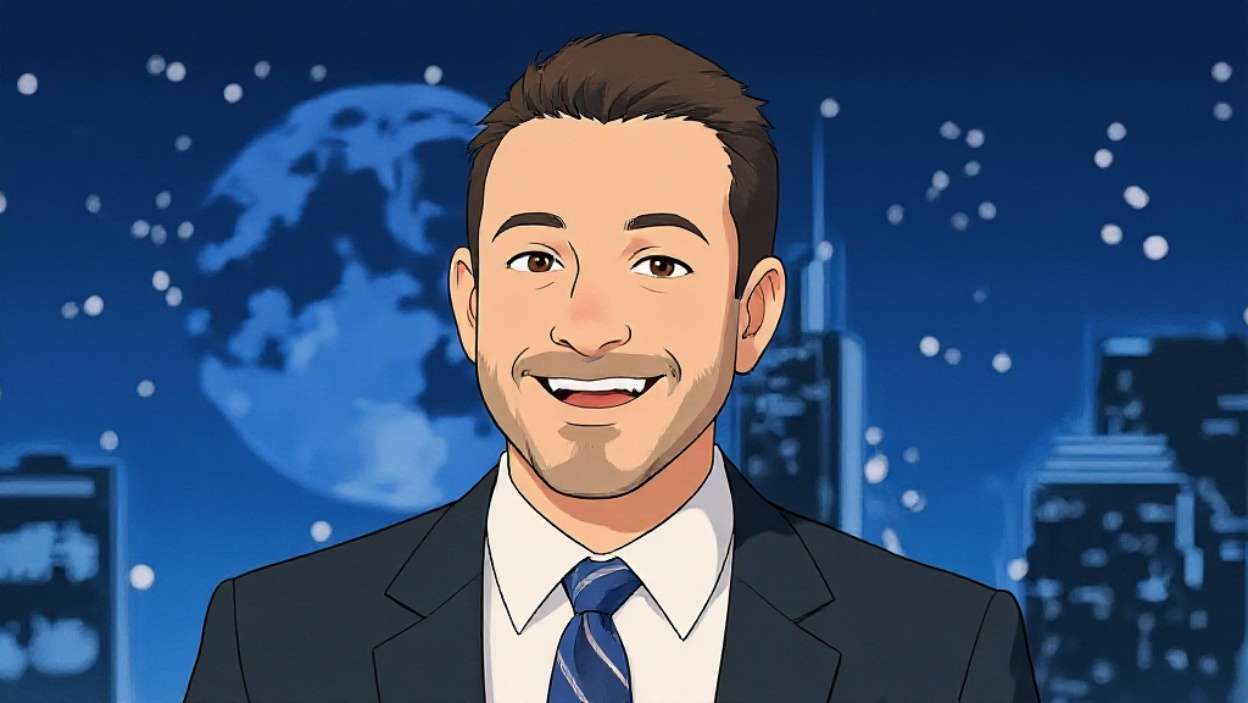
The Tragic Comedy of Jimmy Kimmel, Free Speech, and the Political Circus
Someone in the New York Post woke up on December 26, 2025 and realized that if there’s one thing this country doesn’t have enough of, it’s heated op-eds about late night TV hosts. Thus: “Jimmy Kimmel continues to lie, pretends he’s the victim — fire him!” was published with all the subtlety of a car alarm stuck in reverse gear.
Let’s unpack this like a philosopher who inexplicably wandered into a political pep rally.
Kimmel: Villain or Victim of His Own Monologue?
Kimmel’s big crime this season wasn’t tax evasion, not wearing socks with sandals, not even hosting isn’t-funny-anymore night on ABC. No. He made a joke — or a commentary, depending on your preferred flavor of outrage — about the assassination of conservative activist Charlie Kirk and incorrectly contextualized the alleged shooter’s political identity. Conservatives said it was a flat-out lie. Supporters said it was satire. The universe responded with noise.
Here’s how this plays out in broad strokes:
Kimmel made a comment that some folks interpreted as politically inflammatory and factually incorrect.
ABC suspended Jimmy Kimmel Live! briefly because corporate executives are contractually obligated to pretend they have power over comedians.
Conservatives declared Kimmel a danger to civilization. Liberals declared his suspension a threat to free speech. Everyone else just booked flights for Christmas.
The Irony of “Censorship” While Demanding Firing
Here’s the part that deserves a Socratic footnote: the people calling for Kimmel’s firing also like to talk about free speech. That’s like advocating for an open bar and doing so by smashing the bar glass over everyone’s heads. It’s a bold rhetorical strategy.
Conservative bloggers and X users urged ABC to can Kimmel for spreading false information. Meanwhile, unions representing Hollywood writers and performers rallied around him, calling his suspension an attack on fundamental expressive rights. On one end you have “Fire the comedian!” and on the other “Protect the comedian!” — which is pretty much how modern political discourse works now: a tug-of-war where both teams think they’re actually pulling reality itself.
Why This Matters (Or Doesn’t)
If we lived in a world where late-night comedy mattered, these developments could be the subject of books, think-pieces, and tense dinner conversations. As it stands, we have:
A host accused of lying about an assassination.
A corporate suspension treated like a constitutional crisis.
People on both sides claiming free speech is “under attack” because a comedian’s monologue got contested.
Meanwhile, the actual news cycle continues unbothered — celebrity raccoon videos, holiday chaos, algorithms making every story instantly forgettable. The Americans who want to fire him are just as fervent as those who want to protect him, and each camp thinks their outrage is the meaningful outrage of the century.
In Case You Were Wondering What Kimmel Actually Said
Here’s a direct excerpt from Kimmel’s Christmas Day address on the BBC’s Channel 4 Alternative Christmas Message, which is apparently now the place to air heartfelt political critiques: he accused the U.S. government of authoritarian tendencies, warned that “tyranny is booming,” and apologized to British viewers for America’s rhetorical chaos.
Again: a Christmas address that sounds like the plot of a dystopian sitcom.
Public Reaction: The World Divides Into Two Groups
On Reddit and social platforms, reactions ran the full emotional gamut:
Some mocked Kimmel for fake crying and gaslighting.
Some insisted the entire suspension was a manufactured publicity stunt.
Some blamed everything on “Project 2025.”
Some people sincerely argued that caring about Jimmy Kimmel’s career was a bigger deal than other crises.
This is social commentary in action: the more ridiculous the argument, the more seriously people take it.
Cause and Effect, or Just Noise?
Cause: Jimmy Kimmel made a political joke tied to a real tragedy.
Effect: Suspension, contract extensions, national debates, calls for firing, free-speech rallies, memes, and evidently endless op-eds.
Here’s where actual political science could weigh in: studies show that heated media controversies often increase audience engagement, even as they polarize viewers. That means outrage is literally good for ratings. Sure sounds like a recipe for lasting peace. (Not really, but if there were a Nobel Prize for Unintended Consequences, late night TV would be on the shortlist.)
A Helpful Conclusion (As Promised)
If you were hoping satire would point to some grand truth about this mess:
Comedy is supposed to joke about power, not become it.
Outrage is now the default setting for everyone.
The debate isn’t about what was said, it’s about who gets to be allowed to say it.
Public outrage contains more emotional accelerant than actual facts.
If ABC should do anything, it’s order a group meditation, pass out stress balls, and install industrial-grade popcorn makers in every office — because this rodeo ain’t over just because a few columnists got to spew up their hot takes. As long as comedians host political satire and politicians take it literally, we’ll be here reporting on it like the halfway competent messengers we are.
Satirical Disclaimer: This piece was crafted as a human collaboration between two sentient beings: the world’s oldest tenured professor and a philosophy major turned dairy farmer. No AI was blamed in the writing of this story, because humans alone are responsible for the news cycle’s increasingly absurd clownshow.
What the Funny People Are Saying
“Jimmy’s tears could solve California’s drought.”
“If satire had a middle, this is way past it.”
“Free speech means you can complain about free speech.”