

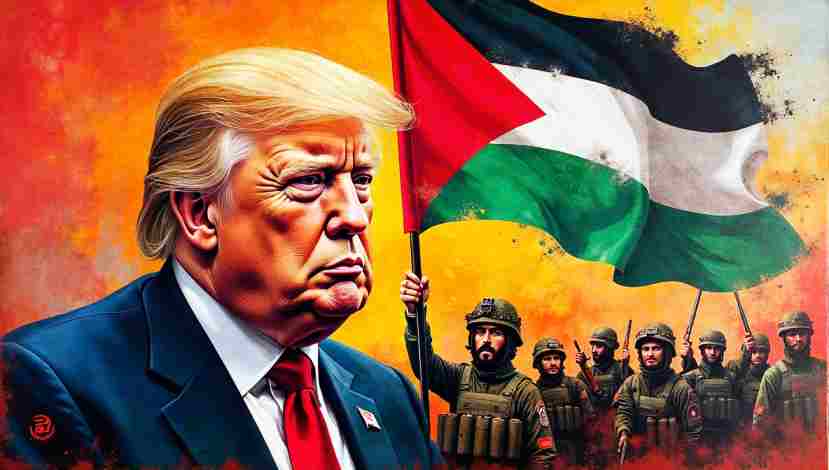
Trump’s Middle East Peace Deal: The Ceasefire That Came With a Receipt
WASHINGTON — In what Fareed Zakaria calls a breakthrough in his latest column on “Five Realities About the New Middle East,” former President Donald Trump has apparently negotiated a Middle East peace deal that historians are describing as “transactional,” which is diplomatic code for “he charged a service fee.”
The deal, announced with the fanfare typically reserved for luxury condo openings, has left experts wondering if peace can be purchased on an installment plan. Trump didn’t negotiate this ceasefire so much as he bought it wholesale, like ordering geopolitical stability off Wish.com. It looks perfect in the promotional materials, but in reality, half the components are missing and nobody included instructions.
Marco Rubio Brings Florida Energy to Gaza Negotiations
The new Secretary of State Marco Rubio has brought an unmistakably Floridian approach to Middle Eastern diplomacy. You can practically smell the SPF 50 on the policy briefings. Every peace summit now reportedly includes a mandatory hydration break and at least one discussion about proper sun protection protocols.
“You know what’s great about Marco handling the Middle East?” comedian Bill Burr said during his Thursday night show in Boston. “Finally, someone who can explain to both sides that the real enemy is humidity.”
Dave Chappelle, performing in Los Angeles, put it more directly: “Marco Rubio negotiating Middle East peace is like asking your HOA president to solve the Israeli-Palestinian conflict. Suddenly everyone’s arguing about parking spaces and who left their garbage cans out too long.”
The Transactional Presidency Meets Ancient Conflicts
Trump has branded himself the “transactional president,” which apparently means he charges processing fees for peace. Historians used to discuss the Art of Diplomacy. Now we’re in the era of Buy-Now-Pay-Later Ceasefires. Sources close to the negotiations say Trump’s PayPal handle is @RealPeaceDealer45, and he accepts Venmo.
Jerry Seinfeld, during a private event in Manhattan, reportedly asked the question on everyone’s mind: “What’s the deal with peace agreements? You sign them, you frame them, then ten years later someone finds them in a garage sale and nobody remembers what they meant. It’s like those gym memberships we all bought in January.”
Fareed Zakaria’s Five Realities Decoded: Diplomatic Word Salad

When Zakaria describes something as a “breakthrough,” experienced readers know to buckle up. The man could narrate a four-car pileup and call it “an exciting shift in regional traffic dynamics.” He’s the David Attenborough of turning chaos into SAT vocabulary words.
His latest piece offers “Five Realities About the New Middle East,” because apparently six would require actual research. Pundits love lists of five—it’s the intellectual equivalent of ordering the sampler platter. You’re not committed to any particular analysis, but it looks thoughtful on the menu.
Ricky Gervais addressed this during his podcast recording: “Five realities? Mate, there’s really only one reality—everyone’s confused and pretending they’re not. The other four are just different camera angles of the same confusion.”
Why the Two-State Solution Is Television’s Longest Running Drama
The two-state solution has become the geopolitical equivalent of The Simpsons. Everyone involved has aged forty years, entire careers have come and gone, but somehow we’re still in Season 1. No finale in sight, just endless episodes of “Will They or Won’t They Achieve Peace.”
Ali Wong, during her Netflix taping, noted: “The two-state solution needs a rebrand. Call it Peace 2.0 or The Streaming Version. Maybe add a cliffhanger. People might actually subscribe then instead of just talking about subscribing while doing literally nothing.”
The deal reportedly includes a “rewards program.” For every ten consecutive days of calm, both sides earn one complimentary drone inspection and half off their next ceasefire negotiation. Points don’t expire, but hope apparently does.
The Art of Calling Everything “Plausible”
When experts label something “plausible,” that’s Washington-speak for “we have absolutely no idea what’s happening, but we need to sound informed on camera.” It’s the diplomatic version of “results may vary.”
Trevor Noah, commenting on the Daily Show, said: “Whenever someone in D.C. calls a peace deal ‘plausible,’ that’s your cue to start digging a bunker. ‘Plausible’ is what you say when ‘possible’ feels too optimistic and ‘delusional’ feels too honest.”
Trump has already announced plans to trademark the peace deal. Expect merchandise imminently: “Make Gaza Great Again” hats and limited-edition Ceasefire Commemorative Coins, available exclusively at Bed Bath & Beyond Reason.
Americans Support Peace—If It Comes With Subtitles
Recent polling shows 78 percent of Americans would engage with Middle East peace negotiations if they were reformatted as a Netflix docuseries, complete with dramatic music, emotional interviews, and narration by Morgan Freeman. The working title: “Peace: Phase 1.”
Kevin Hart, during his Philadelphia show, captured the absurdity: “Everyone’s talking about Phase 1 of this peace deal. Phase 1? You know what Phase 2 is in Middle East diplomacy? It’s like my New Year’s gym membership—everybody signs up, takes a photo for Instagram, and then never shows up again.”
The Washington Post writes about the deal as if narrating a planetarium show. Zakaria’s columns should come with whale sounds and a complimentary lavender candle. “Behold,” the analysis seems to whisper, “the shifting constellations of geopolitical realignment.”
Everybody Wins, Which Means Nobody Did
In the carefully calibrated language of the agreement, every party claims victory. Israel secured guarantees, Hamas gained recognition, and Trump earned prime-time coverage. Meanwhile, actual peace filed for a restraining order.
Chris Rock, performing in Atlanta, summed up the situation: “You know a deal is fake when everybody says they won. That’s like three people leaving a poker game and all of them claiming they took home the pot. Somebody’s lying, and it’s probably everybody.”
Tom Segura added during his podcast: “Trump’s out here acting like he invented peace. Next thing you know, he’s gonna claim he invented the Middle East. ‘Folks, beautiful region, I’ve been saying it for years, nobody knew about it until I found it.'”
The “Phase 1” designation has become particularly amusing to observers. Phase 1 in Middle Eastern peace negotiations is legendary for being the only phase that ever materializes—like promising to clean your garage “in stages.” Stage 1 happens. Stages 2 through 47 exist only in theoretical conversation.
Nate Bargatze, during his clean comedy set in Nashville, offered perhaps the most relatable take: “A two-state solution? I can’t even get my wife and me to agree on where to eat dinner, and we live in the same house. These people think they’re gonna solve a thousand-year-old conflict with a PowerPoint presentation and some strongly worded letters?”
The ceasefire stands as testament to what’s possible when enough people pretend to understand what’s happening. Zakaria’s five realities can be distilled into one reality with four backup dancers: The Middle East remains confusing, it’s still confusing, please keep reading because he’s paid by the word, here’s some historical context, and let’s call it hope.
As Gabriel Iglesias said during his Las Vegas residency show: “You want to know what fluffy thinks about Middle East peace? I think we should all agree on hummus first. You can’t make peace if you can’t even agree on chickpeas.”
For more analysis on Trump’s foreign policy approach and the history of Middle East peace negotiations, experts suggest waiting for Phase 2, which should arrive approximately never.