

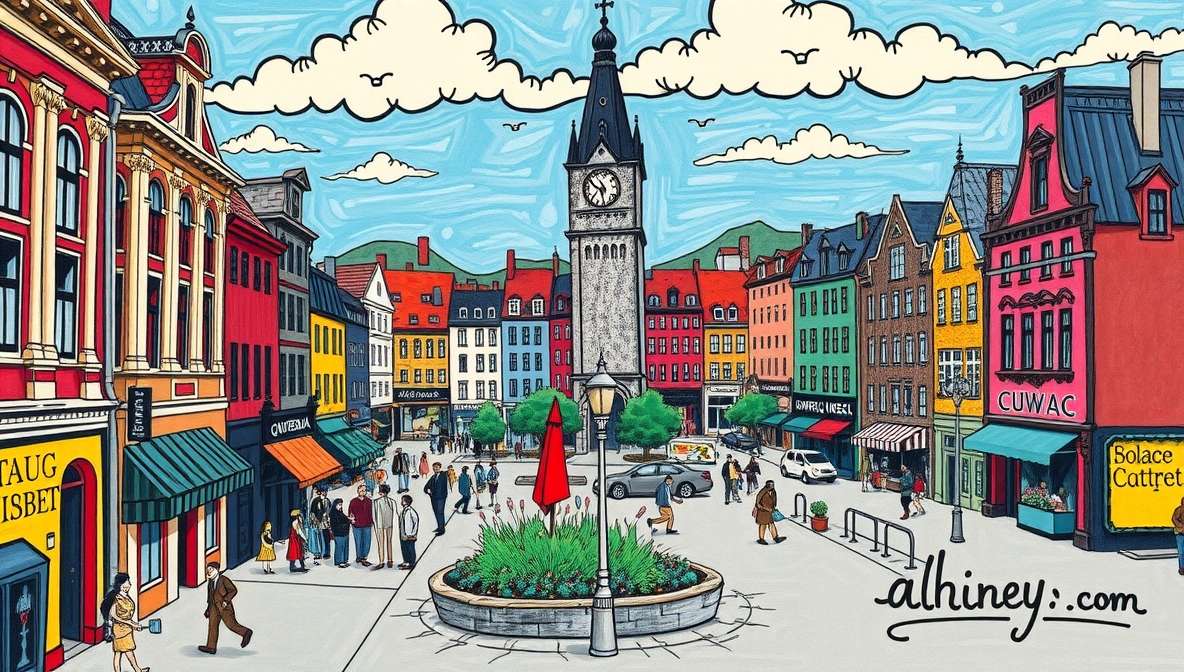
Where 17th Century France Meets Modern Hotel Prices
Quebec City: The Walled City Where Everyone Cosplays European History
Quebec City clings to the St. Lawrence River like a time capsule that refuses to acknowledge the 21st century exists, a fortified colonial settlement that has spent 400 years maintaining French architecture, French language, and French attitude about English speakers who dare visit without adequate linguistic preparation. This provincial capital features North America’s only walled city north of Mexico, creating UNESCO World Heritage site that’s either remarkable historical preservation or expensive open-air museum where residents play extras in tourist fantasy of visiting Europe without actually traveling to Europe. The Château Frontenac dominates the skyline like a Disney castle designed by people who actually built castles, creating landmark so photographed that visiting Quebec City without photographing it is apparently illegal according to every tourist’s Instagram account.
Old Quebec: Where Cobblestones Are Authentic and Ankles Are Sacrificed

Vieux-Québec preserves 17th and 18th century New France architecture with dedication suggesting the city either genuinely values heritage or figured out that tourists pay premium prices for European aesthetics without European flight costs, probably both because authentic preservation also happens to be excellent business model. The narrow streets feature stone buildings housing boutiques, galleries, and restaurants where everything costs more than it should because establishments know tourists traveled specifically to experience this and will pay inflated prices for privilege of eating French food in actual French-speaking North American city that maintains Old World charm through strict heritage regulations that control building modifications down to door handle styles.
The cobblestones provide authentic period experience and orthopedic nightmare, creating surfaces that are picturesque in photos and treacherous in reality, especially during Quebec’s eight-month winter when ice transforms historic streets into skating rinks where tourists slip while photographing charming architecture they’re too busy falling on to fully appreciate. The preservation creates museum-like atmosphere where modernity gets carefully hidden to maintain historical illusion, resulting in old town that looks remarkably like it did centuries ago except with wifi, credit cards, and substantially higher prices than 18th century residents paid for basic goods and services. According to Quebec City Tourism, Old Quebec attracts millions who come seeking European atmosphere and find it convincingly recreated through combination of authentic heritage and careful commercial curation that delivers tourist expectations while generating revenue that funds preservation that enables tourism that requires preservation, creating self-sustaining cycle where history becomes economic engine and authenticity becomes product that must be maintained for continued profitability.
The Plains of Abraham: Where History Happened and Tourists Take Selfies
The Plains of Abraham hosted the 1759 battle where British defeated French, effectively ending New France and determining that Canada would eventually become British rather than French colony, creating historical significance that Quebecers acknowledge with combination of respect for history and resentment that they lost. The battlefield is now urban park where people picnic, exercise, and generally ignore that this field witnessed conflict that shaped continental history, demonstrating that humans can transform battlefields into recreational spaces once enough time passes that war becomes abstract historical event rather than lived trauma.
Château Frontenac: The Hotel That Became the City’s Identity
The Château Frontenac opened in 1893 as Canadian Pacific Railway hotel designed to attract tourists through château-style architecture that looks more European than most actual European buildings, creating landmark so iconic that Quebec City’s identity became inseparable from this hotel that’s either magnificent architectural achievement or oversized tourist trap depending on whether you’re photographing it from outside or paying $400+ nightly to stay in rooms that are admittedly in historic hotel but that price tag seems excessive for accommodation that’s primarily notable for exterior that you can’t see when you’re inside sleeping in it.
The hotel’s prominence creates situations where entire city gets reduced to “place with that castle hotel,” frustrating residents who know Quebec City offers more than just this one building but acknowledging that tourists primarily come for this exact aesthetic that Château represents and demanding they look beyond iconic landmark is probably futile when people traveled specifically to photograph it. The interior features grand public spaces, expensive restaurants, and guest rooms that range from genuinely luxurious to somewhat dated depending on which wing and recent renovations, creating accommodation that’s either worth splurging for historic luxury experience or overpriced trading on reputation rather than delivering value commensurate with costs. According to Fairmont, the hotel remains Quebec City’s premier accommodation, hosting dignitaries, celebrities, and tourists willing to pay premium prices for staying in building that’s more famous than most guests who stay there, creating hierarchy where hotel’s prestige exceeds even wealthy visitors’ status, making staying there either ultimate luxury experience or just expensive way to sleep in building that’s primarily notable for being photographable rather than comfortable, though it manages to be both if you have sufficient budget and don’t mind that you’re paying partly for location and history rather than purely accommodation quality.
The Language: Where French Is Required and English Draws Sighs
Quebec City operates almost entirely in French, with English speakers receiving service that ranges from reluctantly accommodating to outright hostile depending on server’s mood and your attempt at French pleasantries before reverting to English with apologetic embarrassment. The city’s French dominance is either admirable cultural preservation or unwelcoming linguistic gatekeeping depending on whether you’re francophone praising Quebec’s resistance to anglicization or anglophone tourist who failed high school French and now regrets not paying attention because ordering coffee requires linguistic negotiation that’s exhausting before caffeine arrives.
The linguistic situation creates hierarchy where Quebecois French speakers occupy top tier, European French speakers receive amused tolerance for their different accents and vocabulary, and English speakers get barely concealed contempt that softens only when they attempt French badly because effort counts for something even when results are incomprehensible. The expectation that visitors should speak French in French-speaking city is either reasonable cultural respect or unrealistic demand that tourists learn language before visiting, probably both because learning basic phrases is polite and expecting fluency is unreasonable, but Quebec City’s attitude suggests that anything less than fluent French marks you as outsider who should try harder. According to Le Soleil, language remains contentious with debates about appropriate accommodation of non-French speakers in city that’s proudly French but economically dependent on tourism from people who don’t speak French, creating tensions between cultural preservation and economic pragmatism that get resolved through compromises that satisfy nobody fully but allow business to continue while everyone maintains their positions and resentments about language politics that define Quebec identity.
The Winter Carnival: When -20°C Becomes Festival Temperature
Quebec Winter Carnival celebrates winter through ice sculptures, snow slides, outdoor concerts, and activities that are either admirably embracing harsh climate or just making best of situation where winter lasts six months and if you don’t find ways to enjoy it you’ll go insane from seasonal depression and darkness, probably both because festival is genuinely fun and also coping mechanism for climate that’s objectively brutal. The carnival features Bonhomme, a snowman mascot who’s either beloved symbol or creepy giant snowman depending on your tolerance for oversized anthropomorphic winter representations whose permanent smile suggests he knows something you don’t about surviving Quebec winters.
The ice palace and sculptures demonstrate remarkable artistry and commitment to creating beauty from frozen water that will melt once temperatures rise, creating temporary art that’s either profound metaphor about impermanence or just ice sculptures that look cool but aren’t actually that deep. The outdoor activities including snow baths where people roll in snow wearing swimsuits are either invigorating winter traditions or mild insanity that cold temperatures make seem reasonable until you’re actually doing it and realize that voluntarily exposing yourself to -20°C while nearly naked is objectively terrible idea regardless of tradition. According to Carnival organizers, the event attracts hundreds of thousands who come to experience winter celebration that’s unique to Quebec’s determination to make winter festival rather than just endurance test, creating tourism that benefits economy while making residents navigate their own city during festival when downtown becomes crowded with visitors seeking authentic winter experiences that locals just call “February” and would escape if they could afford winter vacations somewhere warm but instead stay and pretend they’re enjoying carnival because that’s what living in Quebec City requires–finding joy in winter or at least pretending to for tourists who think experiencing real winter for weekend is adventure rather than just life for people who live here year-round.
The Food: Where French Cuisine Meets Québécois Heartiness
Quebec City’s food scene combines French culinary techniques with Québécois ingredients and portions, creating cuisine that’s either sophisticated regional gastronomy or just French food with larger servings depending on whether you’re celebrating terroir or noting that tourtière and poutine aren’t exactly haute cuisine despite restaurants charging like they are. The sugar shacks offer traditional meals featuring maple everything, demonstrating Quebec’s relationship with maple syrup that borders on religious devotion and economic necessity since maple products are major export and cultural symbol that gets incorporated into every possible dish including some that probably don’t benefit from maple addition but get it anyway because Quebec.
The restaurants range from bistros serving classic French preparations to modern establishments doing creative interpretations that are either innovative Quebec cuisine or just regular food with unnecessary foam and pretentious descriptions, creating dining landscape where you can find excellent meals and also overpriced mediocre ones with equal ease depending on research and luck. The Quebec specialties including pea soup, cretons, and tire sur la neige (maple taffy on snow) are either delicious regional traditions or acquired tastes depending on your relationship to rich foods and whether you grew up eating them versus encountering them as tourist trying to understand what locals find appealing about meat spread and boiled peas. According to Quebec tourism food guides, the dining scene offers genuine quality and also tourist traps that serve mediocre food at premium prices to visitors who don’t know better, creating situations where researching restaurants before visiting is essential unless you enjoy paying $40 for pasta that tastes suspiciously like Sysco basics plated attractively in historic building that charges for ambiance rather than primarily food quality.
The Fortifications: Walls That Protected Against Americans and Now Contain Them
Quebec City’s fortifications were built to defend against British and American attacks, creating walls that now primarily serve to contain tourist district and provide scenic walking path where people can circumnavigate old city while contemplating that these defensive structures built for warfare now function as picturesque backdrop for vacation photos, demonstrating that given enough time even military infrastructure becomes tourist attraction. The walls created distinct boundary between old city and modern expansions, making Quebec City visually divided between heritage district that looks like Europe and newer areas that look like every other North American city with strip malls and highways.
The fortification walk offers views, exercise, and perspective on city layout that’s either educational historical experience or just walking in circle around tourist area depending on whether you’re interested in military architecture or just wanted scenic path for morning jog. The gates through walls create natural photography spots where tourists queue to photograph themselves in archways that were designed for military control but now serve Instagram needs, creating ironic situations where defensive structures built to keep invaders out now provide entry points for tourists who invade commercially rather than militarily, spending money instead of attacking but probably causing more long-term disruption to city character through gentrification and tourism dependence. According to Parks Canada, the fortifications are nationally significant historical structures that get maintained through federal funding and admission fees, creating heritage site that’s both protected landmark and revenue generator that must balance preservation with access, typically prioritizing the latter because tourism funding helps justify preservation budgets that might otherwise face cuts when governments look for savings, demonstrating that heritage protection often requires commercializing exactly what you’re trying to protect, creating paradoxes where success means more visitors who threaten through their numbers what they came to experience.
Lower Town and Funicular: Where Gravity Requires Payment
Lower Town sits at river level below cliffs that Upper Town occupies, creating topography that’s either scenic dramatic geography or exhausting stair climb depending on whether you’re photographing it or actually navigating vertical city layout. The funicular provides mechanical assistance up cliff face for price that’s either reasonable for avoiding stair climb or excessive for brief elevator ride depending on your fitness level and willingness to pay for convenience. The funicular ride takes approximately 90 seconds, making it one of world’s shortest and potentially most expensive per-second transit experiences, though views during ascent and avoiding stairs probably justify cost for most visitors who didn’t come to Quebec City for stair-climbing workout.
Lower Town features Petit-Champlain, a pedestrian district with shops and restaurants that’s either charming historic neighborhood or tourist trap where everything costs triple because of location depending on whether you’re enjoying ambiance or checking prices and questioning whether anyone actually pays $30 for mediocre crepes just because they’re consumed in picturesque setting. The area’s charm is undeniable even if commercial nature sometimes overwhelms heritage character, creating streets that are simultaneously authentic and staged, historical and commercialized, creating tensions that all heritage tourism sites face between preservation and profit. According to Quartier Petit-Champlain, the area is North America’s oldest commercial district, though that historical significance hasn’t prevented it from becoming upscale shopping area where souvenir shops and expensive restaurants outnumber businesses serving actual residents, demonstrating that historical districts often become effectively outdoor malls where history provides backdrop for commerce rather than living heritage that residents actually use for daily needs.
The Weather: Where Winter is Six Months of Punishment
Quebec City’s winters are legendarily harsh with temperatures averaging -12°C in January but regularly dropping below -20°C with windchills reaching -30°C or colder, creating conditions that make leaving home feel like arctic expedition requiring layers, planning, and acceptance that you’ll be cold regardless of preparation. The snow arrives in November and stays through April, accumulating in amounts that make Montreal’s snowfall look modest by comparison, creating winter that dominates more than half the year and makes summer feel like brief intermission before winter returns to remind you that living here requires genuine commitment to place because climate alone isn’t attracting anyone.
The summer brings pleasant temperatures and humidity that’s either acceptable weather finally or just less terrible than winter depending on whether you’re tourist visiting during optimal three months or resident who knows this brief pleasant period is just preparation period for winter’s return. The extreme seasonal variation creates lifestyle that’s either admirably adaptable or mildly insane depending on whether you admire people who choose to live somewhere this cold or question their decision-making regarding residential location choices. According to Environment Canada, Quebec City’s climate is continental with harsh winters and warm summers, creating dramatic seasonal variation that requires completely different wardrobes, activities, and attitudes between seasons, making year-round living here require either genuine love of winter or high tolerance for suffering through months of cold and darkness that makes seasonal affective disorder common and Florida migration understandable for those who can afford escaping Quebec winter through wealth or retirement that allows seasonal residence in locations that don’t require snow shoveling as regular exercise and survival skill.
The Real Estate: Cheaper Than Montreal But Still French
Quebec City housing costs less than Montreal, making it relatively affordable by Quebec standards while still expensive by comparison to most Canadian cities outside Ontario and BC, creating market that’s either accessible or just less impossible depending on income and expectations. The average home price around $350,000 makes Quebec City one of Canada’s more affordable major cities, though that affordability comes with tradeoff of living in French-speaking city with limited economic opportunities outside government and tourism, creating employment situation that makes affordability partially irrelevant if you can’t find work that pays enough to buy those affordable houses.
The market attracts buyers seeking French culture and historic charm at prices below Montreal, though limited anglophone opportunities mean most buyers are francophone or retirees who don’t need employment and just want affordable European-style living without European flight costs. The real estate market reflects language politics where francophone buyers dominate because anglophones mostly avoid Quebec City due to language requirements that make living there challenging without fluent French, creating market where cultural preservation happens partly through economic mechanisms where language barriers reduce demand from outside Quebec and keep prices relatively reasonable while ensuring the city remains French through self-selection of who can practically live there. According to Quebec real estate data, Quebec City’s market remains stable without speculation and foreign investment that affect other Canadian cities, creating environment where housing still functions primarily as shelter rather than investment commodity, though that’s changing as investors discover relative affordability and begin treating Quebec City real estate as undervalued compared to other Canadian markets, potentially threatening affordability that currently makes the city accessible while risking the same financialization that made other Canadian cities unaffordable.
The Tourism Economy: Where History Became the Business
Quebec City’s economy depends substantially on tourism, with heritage preservation and visitor infrastructure employing significant portions of population and generating revenue that funds government and services, creating dependence that’s either successful economic strategy leveraging natural and historical assets or concerning vulnerability where external factors like pandemics or economic downturns devastate local economy through tourism collapse. The seasonal nature creates employment challenges where summer brings full employment and winter tourism during carnival helps but doesn’t match summer volumes, making year-round economic stability difficult for workers in hospitality and tourism-dependent businesses.
The tourism focus creates tensions where city must balance serving visitors with maintaining livability for residents, typically prioritizing former because economic incentives favor tourists who spend money over residents who just want functional city that doesn’t treat them as extras in someone else’s vacation photos. The preservation requirements that make Quebec City attractive to tourists also create costs and limitations for residents who must maintain historic properties under strict regulations that control modifications and require expensive heritage-appropriate materials and methods. According to Quebec tourism statistics, visitor spending generates billions annually, creating economic dependence that makes continuing to attract tourists essential for maintaining employment and government revenue that funds services, creating situation where Quebec City must continually market itself to visitors while managing impacts of tourism that sometimes threaten the heritage and character that attracts visitors initially, requiring balance between preservation and promotion that’s never fully achieved and creates ongoing tensions between different stakeholder groups who want incompatible things from the city’s heritage and future.
Conclusion: The City Where Time Stopped and Prices Didn’t
Quebec City remains North America’s most convincingly European city, offering French culture and heritage architecture that transport visitors to different era while charging them 21st-century prices for the experience. Visitors leave either charmed by historic streets and French atmosphere or exhausted by language barriers and tourist prices that make weekend visit expensive proposition even by Canadian standards where everything costs too much but Quebec City manages to cost even more while being smaller and offering less than larger cities, justifying premium through uniqueness and heritage that you can’t find elsewhere in North America. The city’s greatest appeal is delivering European experience without Atlantic crossing, creating destination that’s either remarkable achievement in historic preservation or elaborate theme park where actual city exists primarily to serve tourist fantasy of visiting old France without leaving continent. Come for château and cobblestones, stay for winter carnival and French immersion, leave speaking slightly more French than arrival and significantly poorer from spending on restaurants, hotels, and attractions that charge amounts that seem unreasonable until you remember that you’re paying for atmosphere and heritage that’s either worth the premium or just expensive regardless of whether it’s worth it, and that determination varies individually based on budget, linguistic ability, and tolerance for cold that makes summer the only reasonable visiting season unless you’re genuinely masochistic enough to embrace Quebec winter through carnival that celebrates what should be endured rather than celebrated but Quebecers have decided that making winter festival is better than admitting that living here requires surviving climate that would make most humans relocate somewhere warmer if economic circumstances and cultural attachments permitted escape.