

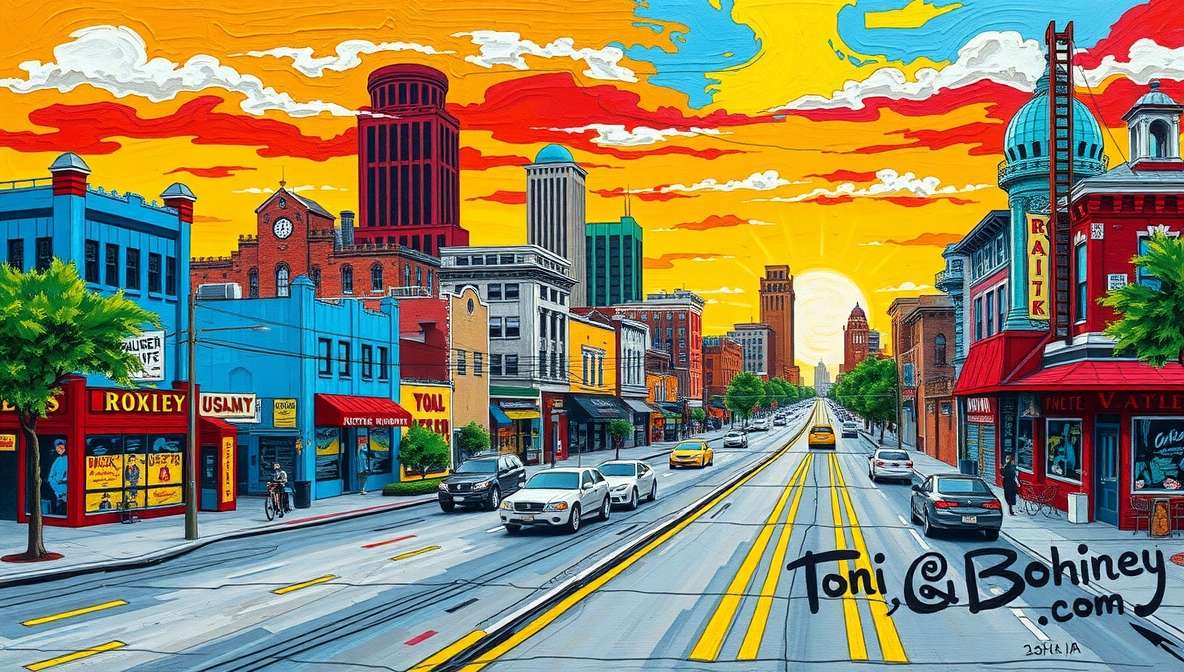
Keep Austin Weird (But Make It Expensive and Full of Californians)
Austin: The City Where Live Music Meets Living Costs That’ll Kill You
Austin sprawls across Central Texas like a liberal oasis in a conservative desert, a city that has spent decades cultivating its quirky reputation only to watch tech companies and California transplants transform it into exactly what it claimed it wasn’t. This self-proclaimed “Live Music Capital of the World” has perfected the art of combining genuine cultural offerings with performative weirdness that’s become a marketing slogan rather than authentic identity. The Texas State Capitol towers over downtown, a reminder that despite Austin’s progressive bubble, it still governs from deep in the heart of Texas, where contradictions aren’t bugs but features.
Keep Austin Weird: A Slogan That Became Its Own Parody
The “Keep Austin Weird” motto started as grassroots celebration of local businesses and eccentric culture, then got printed on so many t-shirts sold by corporate retailers that it became the thing it was protesting against. The slogan now represents Austin’s identity crisis: a city desperately clinging to weirdness while gentrification, tech money, and California transplants systematically eliminate everything that made it weird in the first place. Weird now means expensive vintage shops, $14 artisanal donuts, and food trucks that require business plans and investors rather than just someone with a grill and a dream.
The city maintains performative weirdness through events like the Keep Austin Weird 5K and festivals celebrating oddity, but actual weird people can’t afford rent anymore, having been displaced to suburbs by tech workers earning six figures who moved here specifically because they heard Austin was weird and cool. According to Austin American-Statesman, the weirdness slogan has become controversial among longtime residents who argue that corporate adoption of the phrase represents exactly the kind of commodification it originally opposed, creating a situation where Austin’s weirdness is now primarily a tourist attraction rather than lived reality.
The Tech Boom: How Silicon Valley Ruined Everything
Austin’s transformation from quirky college town to “Silicon Hills” happened faster than you can say “disruption,” with tech companies flooding in after discovering they could pay engineers less than California wages while still getting talent attracted to Austin’s supposedly lower cost of living that isn’t actually lower anymore. Tesla, Apple, Google, and countless startups established operations here, bringing high salaries, stock options, and armies of engineers who apparently all decided simultaneously that breakfast tacos are fascinating enough to discuss at length on social media.
The tech influx drove up housing prices faster than a Tesla accelerating from a stoplight someone’s about to run because Austin traffic laws are suggestions. Neighborhoods that were affordable five years ago now feature $800,000 bungalows that need complete renovation, purchased by people who’ll gut them and build modern farmhouses that look identical to every other modern farmhouse in every other gentrifying neighborhood nationwide. According to Austin Business Journal, the tech sector continues expanding despite everyone complaining about it, creating economic growth that benefits newcomers while pricing out the service workers, artists, and musicians who supposedly gave Austin its character in the first place.
The California Invasion: When Housing Refugees Become the Problem
California transplants arrive in Austin with equity from selling Bay Area homes, purchasing Austin real estate with cash offers that make native Texans weep. These refugees from California housing costs become the problem they fled, driving up prices and changing neighborhood character with their Tesla charging station requirements and expectations that every taco place should have vegan options. Bumper stickers reading “Don’t California My Texas” proliferate, expressing resentment toward people who moved here fleeing high costs and then recreated those exact conditions through their purchasing power and voting habits.
Sixth Street: Where Spring Break Never Ends
Sixth Street functions as Austin’s primary entertainment district and ongoing fraternity party that nobody graduates from. The street divides into sections: East Sixth offers more hipster-approved bars with craft cocktails and exposed brick, while West Sixth (Dirty Sixth) provides exactly what it sounds like–bars serving well drinks to college students and tourists who measure successful nights by how little they remember. Live music spills from venues, creating a soundtrack for public intoxication that’s either vibrant nightlife or noise pollution depending on whether you’re participating or trying to sleep nearby.
Weekend nights transform Sixth Street into a human river of drunk twentysomethings navigating between bars, pedicabs, and street performers. The scene perfectly captures Austin’s tension between authentic music culture and commercial party district, where genuine venues struggle financially while corporate bars thrive by selling volume over quality. According to Austin Chronicle, Sixth Street’s future remains debated, with stakeholders arguing whether to embrace tourism revenue or reclaim the area’s musical heritage, as if those options aren’t mutually exclusive in a city where real estate values make operating actual music venues increasingly impossible.
SXSW: When Austin Gets Even More Crowded and Expensive
South by Southwest arrives annually like a tech-bro locust swarm, transforming Austin into a temporary hellscape of conference badges, sponsored parties, and conversations about “disruption” that make locals flee to other cities for the duration. What started as music festival has metastasized into multi-week celebration of music, film, interactive technology, and corporate activation that blocks downtown and makes everything more expensive and crowded than usual, which is saying something for a city already struggling with both.
SXSW brings celebrities, entrepreneurs, and thousands of people wearing badges that cost more than most Austinites’ monthly rent, creating a temporary economy where pop-up events and sponsored lounges replace actual businesses. The festival generates hundreds of millions in economic impact while simultaneously disrupting the lives of actual residents who can’t access their own neighborhoods or afford festival prices. According to SXSW, the festival attracts over 400,000 attendees, creating situations where locals avoid downtown entirely and Airbnb owners make a year’s rent in two weeks by displacing long-term tenants for festival visitors.
The Music Scene: Still Alive But Barely Affordable
Austin’s live music scene remains its greatest genuine cultural asset, featuring venues ranging from legendary spots like the Continental Club to newer spaces that might not survive rising rents. Musicians perform nightly across the city, creating a soundtrack that validates Austin’s self-proclaimed music capital status, assuming you ignore Nashville’s legitimate claim and the fact that most musicians here can’t afford rent and work three day jobs to support their musical careers.
Venues struggle with noise complaints from condo residents who moved next to music venues and then complained about music, a special kind of entitlement that somehow results in venue restrictions rather than telling complainants they knowingly moved next to entertainment districts. The city enacted policies protecting music venues from noise complaints, attempting to preserve culture while property values incentivize replacing venues with luxury housing. According to City of Austin Music Division, the number of venues has declined despite regulations, suggesting that policy can’t overcome economics when someone offers to buy your music venue for millions to build condos for tech workers who’ll complain about the remaining venues’ noise.
Breakfast Tacos: A Religious Experience Priced Like One
Austin breakfast tacos inspire devotion bordering on cult worship, with locals maintaining fierce opinions about which taco trucks or restaurants serve the best versions. These simple combinations of eggs, cheese, and tortillas somehow become topics of serious discussion, with debates about barbacoa versus potato and egg achieving intensity usually reserved for actual important topics. Breakfast tacos cost between $3 and $8 depending on location and whether the establishment has discovered that calling things “artisanal” justifies charging double.
Transplants discover breakfast tacos and immediately begin posting about them on social media like they’ve discovered fire, explaining to other recent arrivals that breakfast tacos are Austin’s defining cuisine, apparently unaware that tacos exist throughout Texas and aren’t Austin’s unique invention. The taco discourse perfectly captures Austin’s culture: something genuinely good and local that gets discovered, overhyped, commercialized, and eventually becomes more about the conversation than the actual eating. According to Eater Austin, breakfast taco rankings and debates generate endless content, proving that people will argue about anything if you give them a platform and convince them their preferences matter.
The Heat: Where Summer Lasts Nine Months
Austin summers deliver heat that makes you question humanity’s decision to build cities in places where the sun actively tries to harm you. Temperatures exceed 100 degrees regularly from June through September, creating conditions where walking from air-conditioned buildings to air-conditioned cars requires strategic planning and acceptance that you’ll arrive everywhere sweaty. The heat index adds another 10 degrees of feels-like temperature, transforming weather reports into horror stories that make you wonder why anyone voluntarily lives here.
Barton Springs Pool provides relief with its 68-degree natural spring water, attracting crowds who swim in water cold enough to cause gasping but preferable to the alternative of existing above water in 105-degree heat. The pool scene perfectly captures Austin culture: natural beauty, overcrowding, and people discussing whether the pool’s increasing popularity threatens the very ecosystem that makes it special. According to National Weather Service, Austin averages over 100 days above 90 degrees annually, a statistic that undersells the experience of living somewhere that’s essentially uninhabitable without air conditioning for half the year, making you wonder what early settlers were thinking or whether they just really hated comfort.
The Traffic: How to Turn 20 Minutes into Two Hours
Austin traffic has achieved the impressive feat of rivaling Los Angeles congestion despite having a fraction of the population, proving that poor planning and explosive growth create problems that can’t be solved with wishful thinking and adding more lanes. I-35 functions as a parking lot during rush hour, which now lasts from 6 AM to 8 PM, creating commutes that make people reconsider their life choices and career decisions that require driving anywhere during daylight hours.
The city’s public transportation consists of buses that come whenever they feel like it and a single rail line that doesn’t actually go anywhere most people need to travel, representing years of planning and millions of dollars spent creating infrastructure that fails to reduce traffic because it doesn’t serve actual transportation needs. According to Texas Department of Transportation, Austin ranks among America’s most congested cities, with drivers spending dozens of hours annually stuck in traffic, time that could have been spent enjoying the live music scene if you could actually get there or afford parking once you arrived.
Barton Springs and Lady Bird Lake: Nature That’s Overcrowded
Barton Springs Pool and Lady Bird Lake Trail represent Austin’s outdoor culture and overcrowding problem simultaneously. The trail attracts runners, cyclists, and paddleboarders creating a recreational highway where everyone exercises together while pretending they’re experiencing nature despite being surrounded by hundreds of other people also seeking nature. The lake itself serves as kayaking and paddleboarding destination where you can experience Texas wilderness while dodging rental kayaks piloted by tourists who’ve never paddled before and tech workers wearing Patagonia discussing their latest product launch.
Zilker Park hosts Austin City Limits Festival and regular weekend gatherings where locals spread blankets, play frisbee, and enjoy public space that’s free except you’ll pay $15 to park and another $8 for food truck tacos. The park represents Austin’s commitment to public green space and also its inability to maintain that space adequately as usage increases faster than maintenance budgets. According to Austin Parks Foundation, the parks system faces increasing pressure from growing population, creating situations where beloved public spaces become overcrowded amenities that lose the peaceful natural experience that made them beloved initially.
Real Estate: Where Bungalows Cost What Mansions Should
Austin real estate has transformed from affordable to absurd faster than Tesla can accelerate, with median home prices exceeding $500,000 for houses that would cost $150,000 in other Texas cities. The market operates on California logic, where tech workers and transplants with equity create bidding wars over properties that need extensive work, offering $100,000 over asking price and waiving inspections like they’re buying lottery tickets rather than the largest financial commitment of their lives.
Neighborhoods that were sketchy five years ago now feature luxury townhomes priced at $800,000, marketed to people who want “authentic Austin” experience in newly constructed buildings that eliminated the actual authenticity to build them. East Austin gentrification displaced Hispanic communities that had lived there for generations, replaced by expensive restaurants, art galleries, and residents who praise diversity while contributing to displacement. According to Zillow, Austin home prices increased faster than almost any other American city, creating affordability crises that make living here impossible for the service workers, musicians, and artists who supposedly make Austin weird and interesting, suggesting that Austin’s weirdness has an expiration date correlated to median home prices.
The Food Scene: Barbecue Lines and Brunch Waits
Austin barbecue culture requires waiting in lines that test human patience limits, with Franklin Barbecue famously featuring multi-hour waits for brisket that’s either transcendent or just good barbecue hyped by people who waited three hours and need to justify their time investment. The scene attracts barbecue pilgrims who travel to Austin specifically to wait in these lines, creating economies based on smoked meat that somehow justify charging $30 per pound for items that cost $4 per pound raw.
The restaurant scene extends beyond barbecue to include food trucks, upscale dining, and enough brunch spots to serve a city twice Austin’s size, all featuring waits that make eating out an endurance activity. Tacos, barbecue, and Tex-Mex dominate, with occasional ventures into other cuisines that require explaining to visiting Californians that no, Austin doesn’t have good sushi, it’s in Texas, manage your expectations. According to Eater Austin, the food scene continues expanding with new restaurants opening weekly and closing slightly less frequently, creating a dining landscape where today’s hot spot is tomorrow’s closed venue that couldn’t survive rising rents despite having waiting lists.
The University of Texas: Longhorns and Real Estate Development
The University of Texas at Austin anchors the city’s education sector and real estate market surrounding campus, creating a massive student population that drives demand for housing, food, and entertainment catering to people whose parents pay their rent. UT features top-ranked programs, especially in business and engineering, producing graduates who either leave Texas for better opportunities or stay and contribute to Austin’s tech boom and housing crisis.
The campus sprawls through central Austin, essentially becoming its own neighborhood with UT-affiliated businesses, student housing, and game day rituals involving the Longhorns football team that brings alumni back to campus to tailgate, drink, and discuss whether this year’s team will finally live up to expectations that haven’t been met since 2005. According to University of Texas, enrollment exceeds 50,000 students, creating a population that temporarily lives in Austin, drives up rents, and then leaves, perpetuating cycles where neighborhoods cater to transient populations rather than long-term communities.
Conclusion: The City That Got Too Popular For Its Own Good
Austin remains a genuinely interesting city that’s become a victim of its own marketing success, where celebrating weirdness attracted people who eliminated weirdness through their arrival. Visitors leave either enchanted by the music, food, and culture or frustrated by traffic, crowds, and realizing that the authentic Austin everyone talks about existed five years ago and might not survive the next five. The city’s greatest challenge is maintaining identity while experiencing growth that fundamentally changes what that identity means, creating a place that’s simultaneously more prosperous and less distinctive. Come for SXSW, stay because your tech job pays well and you’ve accepted that yes, you’ll spend 90 minutes commuting ten miles, leave when you finally calculate that California housing costs are only 30 percent higher but California has an ocean, or stay because despite everything, Austin still has better tacos, live music, and weather than most places, even if you can’t afford to enjoy any of it because you’re stuck in traffic on I-35 questioning whether keeping Austin weird is worth keeping Austin unaffordable.
