

Where Mardi Gras is Tuesday and Hangovers Last Until Thursday
New Orleans: The City That Forgot to Stop Partying
New Orleans sprawls along the Mississippi River like a drunken uncle at a family reunion, a city that operates on its own timeline where mornings start at noon and last call is a mythical concept nobody actually believes exists. This Crescent City has perfected the art of combining French colonial architecture, Creole culture, and public intoxication into a lifestyle that would concern health professionals anywhere else but here is considered perfectly normal. The French Quarter stands as a monument to hedonism and historical preservation, proving that 300-year-old buildings and 21-year-old tourists vomiting on them can somehow coexist peacefully.
Bourbon Street: Where Dignity Goes to Die
Bourbon Street represents New Orleans at its most unapologetically excessive, a twelve-block stretch of bars, strip clubs, and establishments serving daiquiris in containers large enough to require two hands and questionable life choices. The street operates 24 hours a day because apparently someone decided that closing times were for cities with shame. Tourists stumble from bar to bar collecting yard-long plastic cups filled with beverages that taste like liquified candy and regret, while street performers play jazz badly and well simultaneously, depending on how drunk you are.
The famous “go cups” allow patrons to take alcoholic beverages onto the street, a policy that seems designed by people who never considered the consequences of giving drunk tourists mobile drinking privileges. According to NOLA.com, Bourbon Street attracts millions of visitors annually, all seeking that authentic New Orleans experience of waking up somewhere unexpected with no memory of how they got there and a suspicious number of beads around their neck.
Mardi Gras: The Super Bowl of Drinking
Mardi Gras transforms New Orleans from merely party-focused to completely party-obsessed, a weeks-long celebration that makes regular weekends look like corporate board meetings. Parades roll through streets throwing beads that cost pennies but tourists catch like they’re made of gold. The entire city essentially shuts down so everyone can day-drink while watching elaborate floats and marching bands. King Cake appears in every bakery, office, and home, that circular pastry with a plastic baby hidden inside, which is either charming tradition or choking hazard depending on your perspective.
Fat Tuesday itself represents the culmination of excess, when the city reaches peak celebration levels that make other cities’ New Year’s Eves look like quiet book clubs. Costumes are mandatory, sobriety is optional, and the entire French Quarter becomes one massive outdoor party that smells like spilled beer and poor decisions. The city cleans up afterward with efficiency that suggests extensive practice, removing mountains of beads and plastic cups while everyone recovers in darkened rooms questioning their choices.
The Weather: Humidity You Can See
New Orleans weather operates on the principle that humans need constant reminding about the power of nature. Summer temperatures hover around 95 degrees with humidity that makes the air feel like you’re breathing through a wet towel. Walking outside means immediate sweating, and air conditioning isn’t a luxury but a medical necessity. The heat and humidity combine to create conditions that should be uninhabitable, yet somehow over 300,000 people live here by choice, suggesting either remarkable adaptability or collective delusion.
Hurricane season brings the annual tradition of evacuation debates, storm tracking apps, and discussions about whether this will be “the big one” that everyone fears and nobody wants to experience again after Katrina. According to National Weather Service, New Orleans sits below sea level in a hurricane-prone region, which sounds like the setup to a disaster movie but is actually just geography that city founders apparently decided to work with rather than around.
The Food: Calories Don’t Count in NOLA
New Orleans cuisine represents one of America’s greatest culinary traditions and simultaneous attacks on human cardiovascular systems. Everything is fried, covered in butter, or swimming in sauce that contains more calories than most people should consume in a day. Beignets at Cafe Du Monde dust powdered sugar over tourists who haven’t yet learned that eating these requires strategic positioning and acceptance that you’ll wear as much sugar as you consume. The line wraps around the block at all hours, proving that people will wait indefinitely for fried dough covered in diabetes.
Po’boys deliver an entire meal between French bread, stuffed with fried seafood or roast beef debris (which is exactly what it sounds like and delicious nonetheless). Gumbo appears in infinite variations, each restaurant and home cook insisting their version is authentic and everyone else is wrong. The roux debate alone has ended friendships and started arguments that span generations. According to New Orleans Official Guide, the city’s food scene continues attracting culinary tourists who arrive with diets and leave with elastic waistbands and no regrets.
Crawfish Season: Mudbugs as Currency
Crawfish season transforms New Orleans into a city obsessed with small crustaceans boiled in spices that make your lips burn and fingers smell for days. Crawfish boils serve as social gatherings where pounds of crawfish are dumped onto newspaper-covered tables and everyone picks through them like archaeological digs. The process involves sucking heads, pinching tails, and techniques that require demonstration because explaining them sounds vaguely inappropriate. Locals measure crawfish consumption in pounds per person, with double digits considered respectable and anything less suggesting you’re either a tourist or have functioning taste buds that register pain.
Music: Where Jazz Was Born and Blues Feel at Home
New Orleans birthed jazz, that uniquely American art form, and continues producing music that ranges from traditional jazz to brass bands to bounce music that makes you move even if you have no rhythm. Frenchmen Street offers live music venues where actual locals go, providing contrast to Bourbon Street’s tourist-focused covers of songs everyone knows. Musicians play on street corners with skill levels ranging from Julliard-trained to “learned three chords this morning,” and tourists throw money at both with equal enthusiasm.
Preservation Hall maintains traditional jazz with religious dedication, cramming audiences into a historic building with no air conditioning and minimal seating. The discomfort becomes part of the authentic experience, proving you suffered for art and therefore appreciated it more. According to OffBeat Magazine, the city produces more musicians per capita than anywhere else, creating a musical culture so pervasive that grocery stores have better background music than most cities’ concert venues.
The French Quarter: 300 Years of History and Debauchery
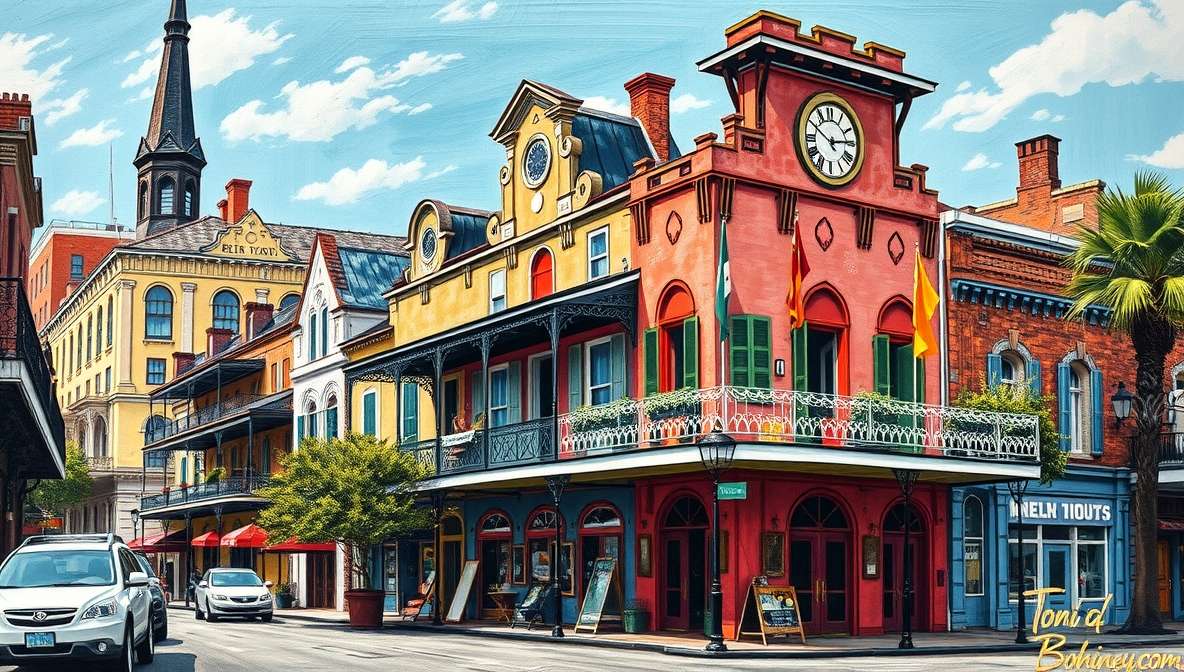
The French Quarter maintains its historic architecture through strict preservation laws, ensuring that buildings look exactly as they did centuries ago, minus the cholera and yellow fever. Wrought-iron balconies overflow with plants and tourists drinking hurricanes, those sickly-sweet rum concoctions that taste like fruit punch and deliver hangovers like punishment for hubris. Jackson Square features artists, tarot card readers, and Lucky Dog carts selling hot dogs that taste better than they have any right to at 3 AM.
Royal Street offers art galleries and antique shops for tourists who want French Quarter experiences without the public intoxication, though they’re missing the point of New Orleans by maintaining dignity. The architecture draws photographers seeking that perfect shot of balconies and brickwork, usually edited to remove the tourists photobombing with giant drinks. According to French Quarter Management District, the area contains over 300 years of history compressed into thirteen blocks, creating America’s most interesting neighborhood and simultaneously its most confusing place to navigate while drunk.
Cemeteries: Cities of the Dead
New Orleans cemeteries feature above-ground tombs because burying people below sea level creates obvious problems that early settlers learned the hard way. These “cities of the dead” offer elaborate tombs and mausoleums that tourists photograph while presumably contemplating mortality and definitely not thinking about the macabre reality they’re touring. St. Louis Cemetery No. 1 requires guided tours after vandalism problems, because apparently some tourists can’t visit historic graves without leaving marks proving they were there.
The cemeteries reflect the city’s unique relationship with death, treating it as another aspect of life worthy of celebration rather than purely mourning. Jazz funerals parade through streets playing somber music to the cemetery and upbeat music returning, celebrating life while acknowledging death. This approach to mortality fits perfectly with a city that treats every day like it might be the last one worth remembering.
Below Sea Level: Living on the Edge (Below It, Actually)
New Orleans sits below sea level surrounded by water, a geographic situation that sounds like a joke but is actually the city’s defining challenge. Levees and pumps keep the city from flooding, a system that works until it doesn’t, as Hurricane Katrina devastated demonstrated in 2005. The city rebuilt with impressive resilience and concerning optimism, suggesting either remarkable faith in improved infrastructure or collective agreement not to think too hard about hydrology.
The pumping system removes rainwater constantly, fighting against gravity and nature with machinery that sometimes wins and sometimes creates street flooding that turns roads into canals. According to City of New Orleans, improvements continue addressing drainage issues, though heavy rain still floods streets with predictability that suggests the problem might be living below sea level surrounded by water rather than inadequate pumps.
Voodoo and Tourism: Authentic Culture Meets Gift Shops
New Orleans voodoo culture exists somewhere between authentic spiritual practice and tourist attraction, with shops selling overpriced souvenirs and guided tours explaining traditions while selling merchandise. Marie Laveau’s legend permeates the city, that famous voodoo practitioner whose tomb attracts visitors drawing X marks for luck, a practice that’s been banned but continues because tourists apparently can’t resist defacing historic sites.
Voodoo shops throughout the French Quarter sell gris-gris bags, potions, and ritual items that range from genuinely cultural to completely fabricated for tourist consumption. The line between authentic tradition and commercial exploitation blurs like everything else in New Orleans, creating experiences that are simultaneously real and performative, which perfectly captures the city’s entire approach to culture and tourism.
Festivals: Because One Party Wasn’t Enough
New Orleans hosts festivals celebrating everything imaginable: jazz, food, neighborhoods, saints, concepts, and probably festivals celebrating festivals. Jazz Fest attracts hundreds of thousands of music fans who endure mud, heat, and crowds for the privilege of seeing legendary performers and eating crawfish bread. The festival lasts two weekends, proving that if one weekend of outdoor music in Louisiana heat was good, two must be better despite all evidence suggesting otherwise.
French Quarter Festival, Essence Festival, and countless smaller celebrations ensure that residents have approximately three weeks annually when the city isn’t hosting some event that brings crowds, revenue, and traffic that makes locals avoid downtown entirely. According to New Orleans Online, the festival calendar runs year-round, suggesting that New Orleans treats normalcy as the exception rather than the rule.
Conclusion: The Big Easy That’s Hard to Leave
New Orleans remains America’s most distinctive city, a place that operates on its own rules where partying isn’t occasional recreation but cultural identity. Visitors leave either in love with the music, food, and laissez-faire attitude or nursing hangovers and wondering why anyone voluntarily lives somewhere this hot and humid. The city’s greatest trick is making dysfunction look charming, turning flooding, corruption, and year-round party culture into quirky characteristics rather than serious problems. Come for Mardi Gras, stay because you missed your flight due to circumstances you can’t quite remember, leave with stories you probably shouldn’t tell your family and a deep appreciation for cities that refused to let things like logic or sea level dictate their existence.
