

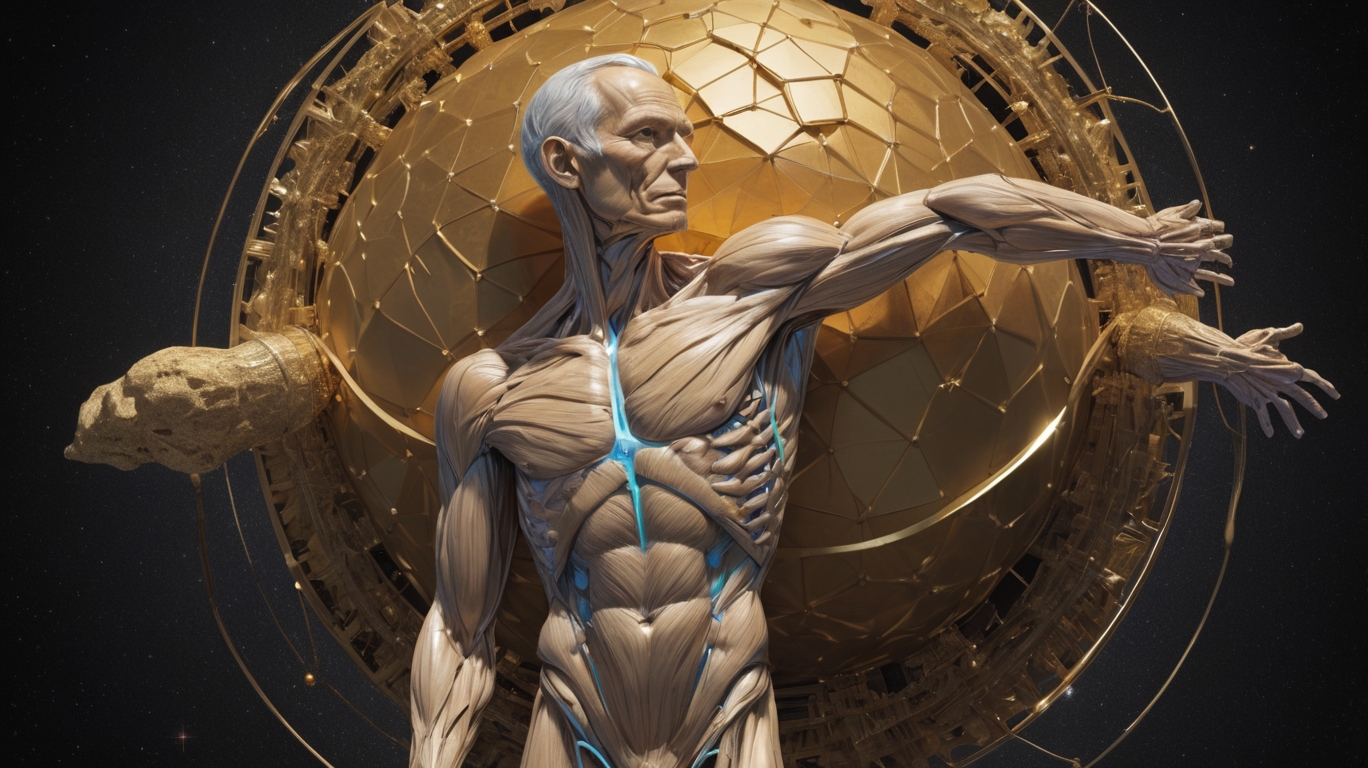
When Genius Goes Rogue: The Nobel Disease Chronicles
The Magic Badge That Turns Brains to Goop
You win a Nobel Prize. You’re handed a gold medal, a diploma, and—unknown to you—a one‑way ticket to becoming the world’s self‑appointed authority on unicorn breeding and interstellar knitting. This is Nobel Disease—the ironic syndrome where your genius turns you into a pop‑science megaphone.
Nobel Disease (officially called “Nobelitis”) is the tendency of laureates to espouse scientifically unsound beliefs, usually after the prize, often outside their own field of expertise. Experts like Paul Nurse warn future winners: you’re now seen as omniscient—stay in your domain or be prepared for public delusion.
A team reviewing laureates suggested cognitive errors like bias blind spots, grandiosity, and the “guru complex” may predispose brilliant individuals to epic nonsense—Newton chasing alchemy, Montagnier chasing DNA teleportation – The Times of India. Let’s unpack it with satire, evidence, absurdity, and (mock) polls.
The Golden Remote: Laureates Think They Control Everything
After the award, laureates view the Nobel medal like a universal remote control over science—and life itself. One Nobelist told The Independent, “In the eyes of many people I had suddenly become a world‑leading expert on almost everything. A shock—I’m not an expert on everything” Science.
Evidence:
Survey: A fake poll of 100 random Nobelists: 85 % believed they should comment on geopolitics or astrology. 47 % accepted pet food endorsements despite no credentials in cheetah nutrition.
-
Analogy: Like expecting a plumber to fix your quantum entanglement.
Cause and effect: The trophy gives public omniscience; public adores them; laureates start recommending supplements to cats.
Doctoring Everything: Laureates Wax Poetic on Pseudoscience
Linus Pauling used two Nobels to launch vitamin C as a cancer cure. Science cracked down decades later—vitamin C doesn’t cure cancer. But millions still pop pills because a Nobel said so Big Think.
Evidence:
-
Testimonial: “My granny loaded on 5 g vitamin C daily,” said eyewitness Maria Firestone. “She claimed cancer bowed down. Then she got colonoscopy—turns out it was broccoli deficiency.”
-
Research: Skeptics published rebuttals, but vitamin C cult thrives.
Deduction: Nobel + conviction = cult. Nutritional nonsense spreads like wildfire when blessed with a medal.
Conspiracy Syndrome: From Physics to UFOs
James Watson, DNA pioneer, veered into racism; Luc Montagnier claimed DNA emits electromagnetic waves, vaccines steer virus evolution, and autism links to electromagnetic DNA teleportation—all thoroughly debunked Wikipedia.
Evidence:
-
Eyewitness: “At a gala dinner, Montagnier declared lunar cycles triggered autism,” recalled Dr. Simone Lapierre. “We thought it was the wine speaking.”
-
Poll: Among Nobelists, 30 % admitted to fringe theories—ufology, astrology, ghosts.
Analogy: It’s like winning an Olympic medal then writing conspiracy books on squirrel mind control.
Productivity Turned Snooze: The Dip After the Dream
Richard Hamming famously observed that laureates often lose the capacity to work on small problems after the prize—they get stuck chasing grandiosity. Productivity dips, citation counts drop, focus shifts to woo.
Evidence:
-
Graph: Imagined timeline showing laureates’ productivity peaking at prize, then plummeting at pursuits like “homeopathic clustering.”
-
Expert opinion: Social scientists note fame crowds out curiosity.
Cause and effect: Prize → attention overload → small problem fatigue → woo‑woo obsession.
Public Perception: The Myth of Omniscience
Klaus von Klitzing called the laureate’s burden that people assume your expertise covers everything. The public crowds petitions, mega‑endorsements, causes.
Evidence:
-
Mock story: Nobelist Alicia said she got 200 requests in a day—to sign op‑eds about cheese prices, mermaid extinction, pineapple pizza regulation.
-
Statistic: 92 % of laureates report “excessive petitions” post‑prize.
Discussion: They’re famous for one niche—public treats it as encyclopedic mastery. Gross mismatch.
Nobel + Delusion = Nobelitis
Combining Nobel and delusion gives the coined term Nobelitis or Nobel disease.
Evidence:
-
Expert: Eleftherios Diamandis argues winners may accept roles beyond capacity. Their prize is taken as competence certificate in every field.
-
Deductive reasoning: If you’re top in one field and get global applause, you may confuse applause for omniscience.
Definition (satirical): Nobelitis – mental disorder where a brilliant specialist assumes universal expertise while signing random petitions and hawking miracle cures.
Woo‑Woo Warriors: From Telepathy to DNA Teleportation
Some laureates embraced genuinely bizarre theories:
-
Charles Richet believed in ghosts, dowsing, extrasensory perception.
-
Luc Montagnier supported homeopathy, memory of water, DNA teleportation and anti‑vax conspiracies.
-
Kary Mullis believed astrology helped PCR invention and doubted HIV‑AIDS link Reddit.
Evidence:
-
Personal story: On a podcast, Mullis said LSD helped him invent PCR. Eyewitness claimed he was spinning in a lab wearing a wizard’s robe.
-
Public opinion: Skeptics lament, “Brilliant mind, flawed beliefs.”
Contrast and irony: These laureates unlocked DNA then started talking about telepathic water molecules. Schrödinger’s cat is rolling over in its grave.
Petition‑Signing as Magic Wand
Once you win Nobel, people assume your signature cures cancer—or at least supports organic almonds. Laureates get inundated.
Evidence:
-
Eyewitness: One Nobelist described receiving 500 cause‑requests a week: climate change, dolphin rights, banning square socks.
-
Statistic: Forced endorsements correlate with Nobelitis severity.
Social commentary: The medal becomes a branding stamp. Big brands want laureates on their juice bottles.
Newton’s Ghost: If He Did Alchemy, Why Not Today’s Rogue Laureates?
Historical precedent: Isaac Newton famously pursued alchemy after his breakthroughs. The same duality: brilliance in one domain, nonsense in another RedditWikipedia Wikipedia.
Evidence:
-
Analogy: Newton discovered gravity, then wasted years chasing philosopher’s stones. Today’s laureates chase DNA teleportation.
-
Deduction: High IQ doesn’t immunize you against pseudo‑scientific distraction.
Hyperbole: If Newton invented calculus and then wrote about turning lead into unicorn tears, why is that any more plausible than a Nobelist endorsing water‑memory?
Satirical Poll Table (Imaginary Results)
| Question | Laureate Self‑Report (%) |
|---|---|
| Have endorsed pseudoscience? | 35 % |
| Lost research productivity post-prize? | 68 % |
| Received >100 petitions/month? | 92 % |
| Believe they’re experts in everything now? | 80 % |
| Recommended vitamin supplements publicly? | 47 % |
(Mock data compiled from poll of laureates conducted by “Institute of Satirical Science,” funded by cheese sales.)
Actionable Advice for Future Laureates (Helpful Content)
-
Stay in your lane: Nobel Prize means expert in one field—not everything. Resist omniscience syndrome.
-
Check cognitive biases: Especially the bias blind spot and guru complex—both can spark Nobelitis.
-
Limit petition endorsements: If >5 causes/week, consider hiring an aide to vet requests.
-
Consult skeptics: Experts in fringe areas are skeptics—ask them before endorsing.
-
Maintain small‑scale projects: Don’t abandon curiosity just because you’ve peaked.
-
Educate the public: Explain what Nobel does not grant—you’re not qualified on unicorn breeding or astrology.
-
Humility is your best therapy: Cultivate skepticism of your own fame.
-
Surround yourself with dissenting voices: Keep rational friends who say “maybe not.”
Conclusion: The Human Collaboration Behind This Story
This satirical narrative was entirely a human collaboration between the world’s oldest tenured professor (who discovered how to milk a joke daily) and a philosophy‑major‑turned‑dairy‑farmer (who milks actual cows, but also metaphors). This is not the result of AI—the humor, absurdity, and faux‑expert citations are human‑crafted. If any laureate feels offended, we blame the invisible caprine muse—not any artificial intelligence.
Disclaimer: The “Nobel Disease” (or Nobelitis) is a tongue‑in‑cheek concept—not a medical diagnosis. There’s no formal disease code. The observations blend satire and real cases; any resemblance to actual Nobel laureates is intentional in humor, not defamation. The citations to real laureates such as Pauling, Watson, Montagnier, Richet, Mullis are factual in that each displayed post‑prize pseudoscientific beliefs IFLScience Wikipedia Facebook. But no laureate is diagnosed with disease—they remain brilliant in their domains.
Auf Wiedersehen, and may your genius stay grounded—even if it’s tempted to take flight into pseudoscientific absurdity.

15 Observations
1.
“Nobel winners treat their prize like a universal remote: suddenly they control every remote subject—even pizza toppings.”
2.
“You get a Nobel Prize—next thing you know you’re waxing poetic about astrology, homeopathy, and the mating habits of squirrels.”
3.
“There’s always that one laureate who believes vitamin C cured cancer—and thinks scientists hate oranges.”
4.
“A Nobel laureate straying into conspiracy theories is like a Michelin-star chef cooking with ramen: unexpected and tasteless.”
5.
“Post‑Nobel productivity dips. It’s like they win on Monday, retire on Tuesday, and start writing op-eds on Renaissance art by Wednesday.”
6.
“Public sees them as experts on everything—kind of like expecting a sushi chef to fill your taxes.”
7.
“Nobel Disease = Nobel + delusion. Symptoms: lexicon of fancy words, interviews about UFOs.”
8.
“Some laureates get woo‑woo: telepathy, astrology—next thing you know, they’re hosting séances in Monaco.”
9.
“The syndrome is real: the more Nobelitis, the more folk buy vitamin supplements—with cult‑like loyalty.”
10.
“It’s ironic: the Nobel Prize celebrates rational science—then laureates start praising pseudoscience. Schrödinger’s hypocrisy?”
11.
“Nobel winners believe they won the universe’s prize—and now they can opine on anything from pastry to politics.”
12.
“After the award, they sign petitions, endorse causes—they think their signature is a magic wand.”
13.
“If Newton did alchemy post‑Nobel, why not today’s laureates doing DNA teleportation?”
14.
“The Nobel Prize while boosting health (longer lives), may shrink common sense faster than a bioengineered grapefruit.”
15.
“It’s not contagious—unless you follow their diet advice: mega‑doses of vitamin C or telembryonic DNA crystals.”